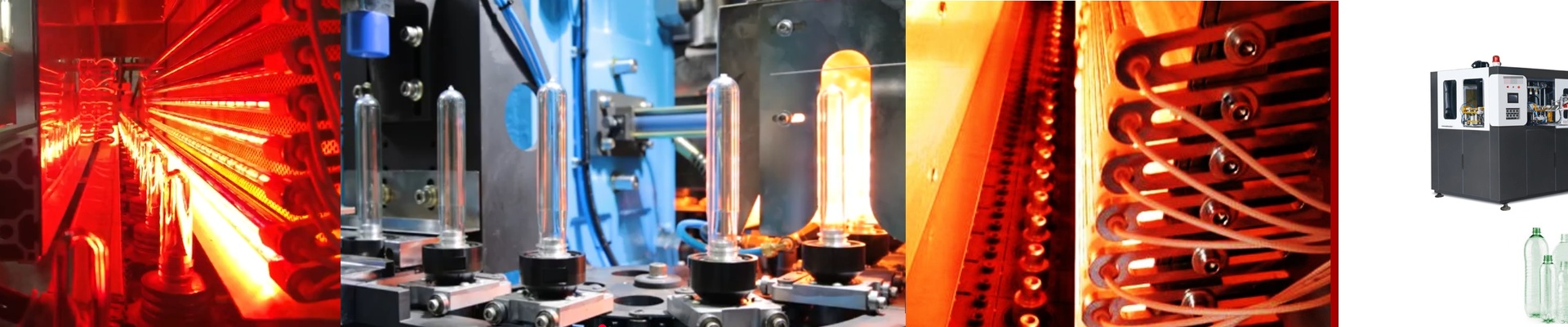
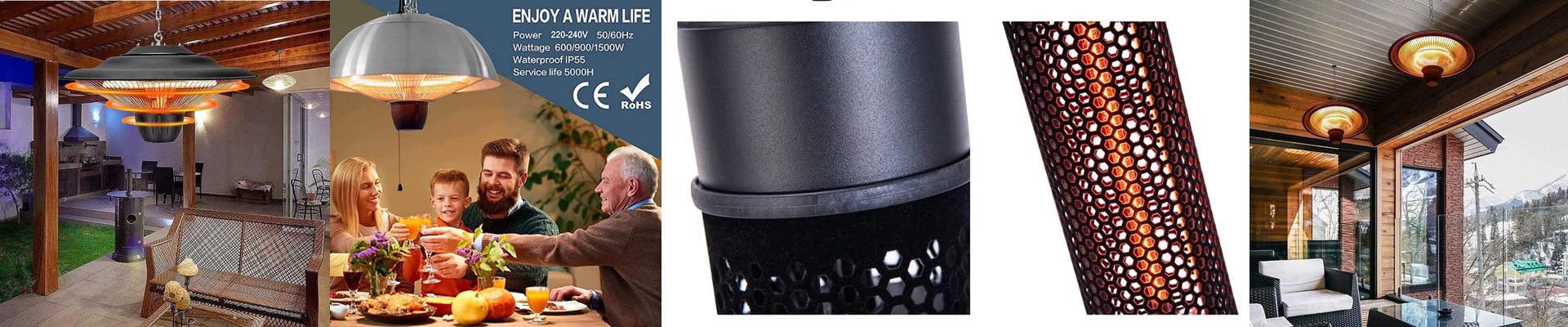
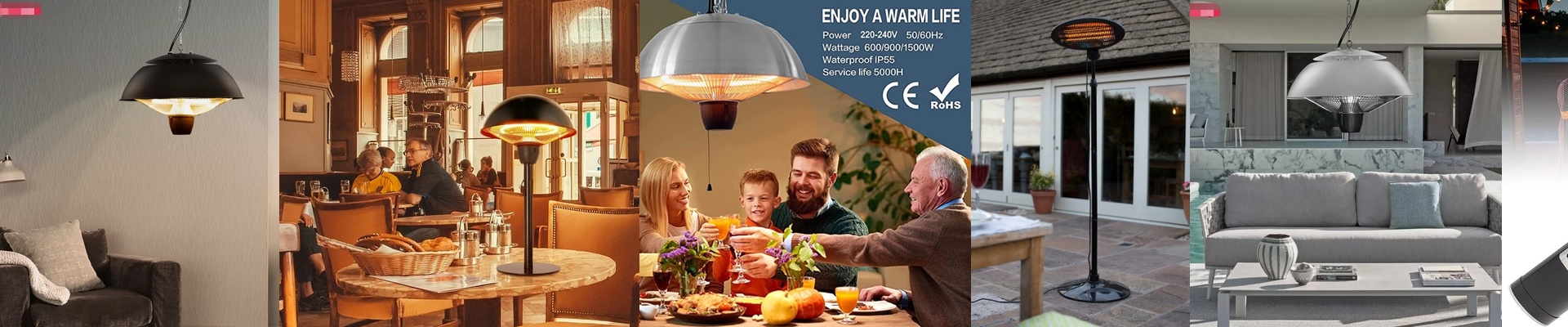
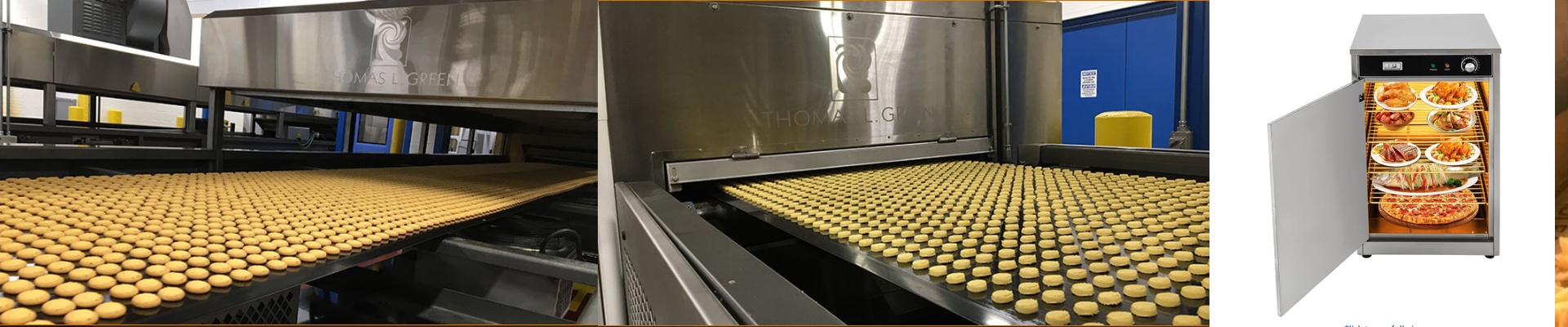
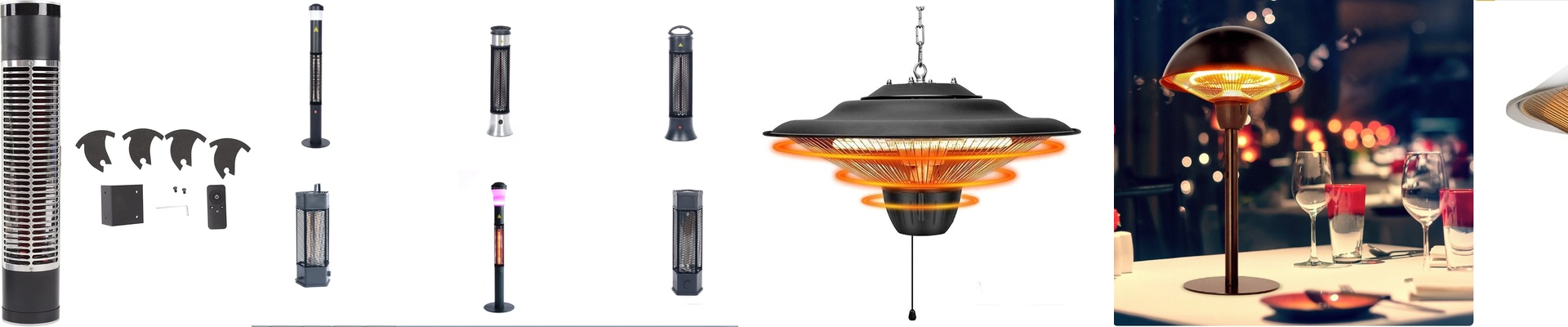
On a packed service line, hot dogs have to hold at the right temp—juicy, not dried out—and you shouldn’t have to sweat food safety while you’re trying to keep tickets moving. When the warmer can’t hold steady, you get cold spots that trigger temperature checks and dry heat that toughens the casing. An IR heater built for hot dog warmers removes that guesswork, giving you consistent holding that keeps quality tight and keeps you in compliance.
What’s actually going on under the hood
We spec these IR heaters with quartz tubes that throw short-wave infrared energy, heating the product surface directly instead of trying to heat air. That’s why you get fast recovery after a rush and stable temps through long holding windows. Most units run on 120V or 240V, with power matched to the warmer footprint—typically 300W to 600W—so you have enough output to cover full pans without tripping the circuit. The heater sits in a stainless steel frame, sealed against splashes, and it’s paired with a thermostat that holds holding temperatures within a narrow band.
Why this fits the way you actually run a kitchen
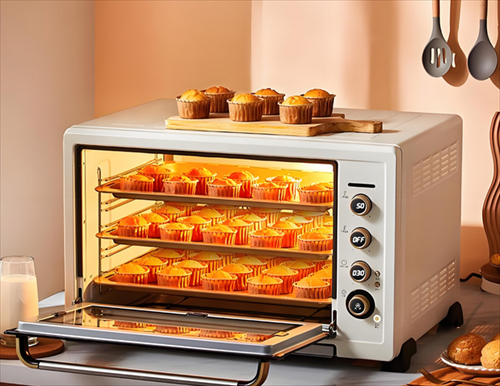
You’ve got a deck oven cranking out pizza, a convection for sides, and a rotary oven handling buns. The hot dog station needs its own approach. Infrared hits the dog surface, keeping it hot and juicy while the pan stays at a safe holding temperature. Recovery is quicker after a big order, doneness is more consistent across the batch, and you see fewer temperature excursions that force you to toss product. Because the heat is directional, you use less energy than broad-area heating, and the quartz tubes stand up to repeated on/off cycles.
What you need to get right on install and upkeep
This heater performs best when it’s matched to a warmer designed for infrared, and it needs clearance above the pan so you don’t overheat the surface. Installation means a dedicated circuit and proper mounting to manage heat reflection. Plan on routine cleaning of the tubes and reflectors to keep output steady and prevent hot spots.