
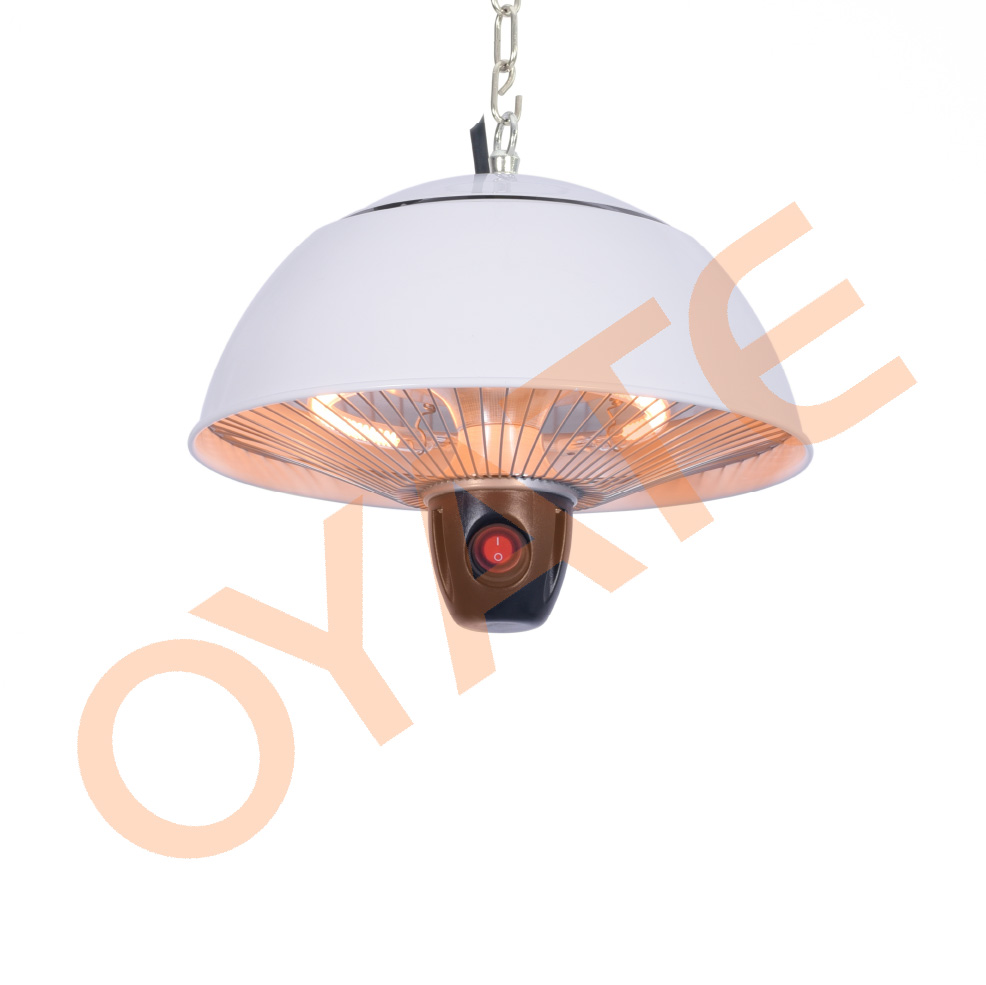
A crisp evening makes the patio irresistible—until the cold chases everyone back inside. The trouble with a lot of heaters is they either overpower the space or leave you shivering. We asked a practical question: what if warmth could actually read the room—or the yard—and adjust on its own?
What matters, under the hood
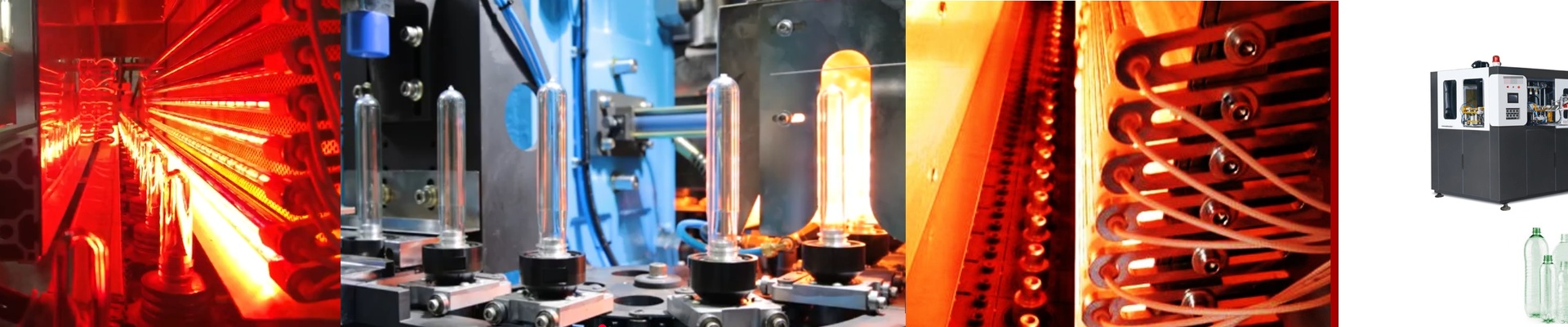
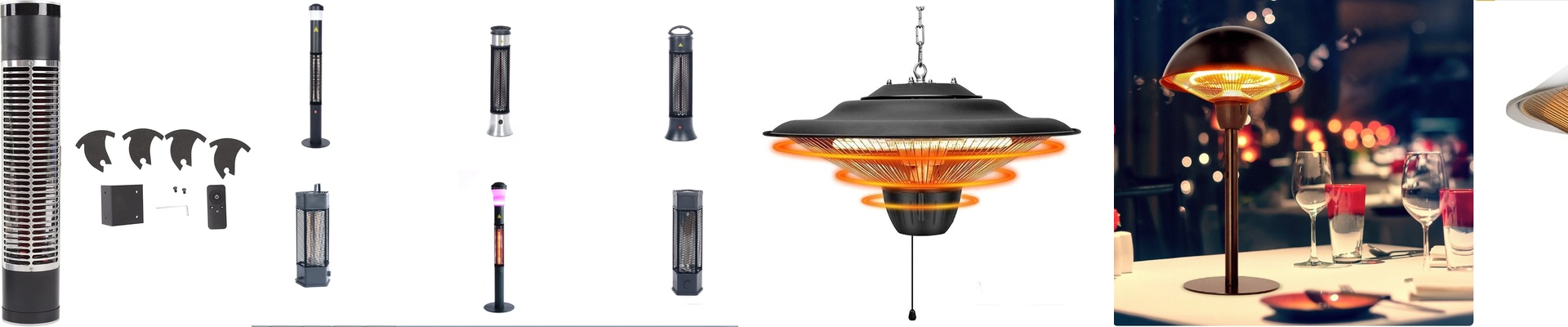
We lean onradiant infrared, because it heats people and objects directly, not just the air. The environment-adaptive models use a carbon fiber element paired with a dual-sensor array that tracks ambient temperature, humidity, and air movement. The controller tunes output in real time, matching beam pattern and intensity to what’s happening outside. Power is chosen for real spaces and real evenings, typically between 1.5 kW and 3.0 kW. You’ve got 120V plug-in versions for living spaces and 240V hardwired units for covered patios. You get heat almost instantly—full power within seconds—and the unit runs quietly with a clean, lamp-like profile. Safety is built in with tip-over protection, an overheat cutoff, and a tempered front grille. For outdoor use, make sure you’re looking at IP ratings that are genuinely rated for damp conditions.
Why this approach holds up
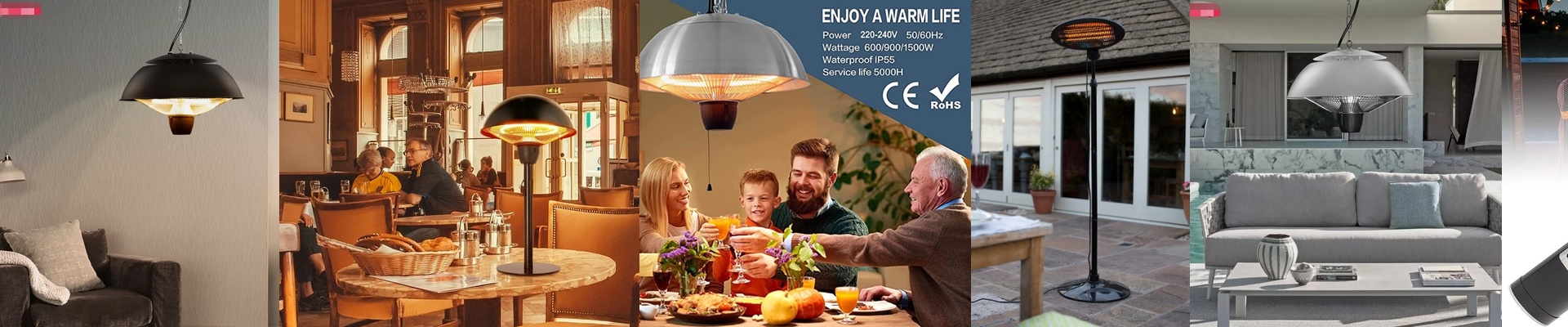
Whether you’re entertaining on the deck or sitting quietly in a sunroom, adaptive control keeps the comfort steady. The heater notices sudden breezes and temperature shifts, so you’re not constantly chasing the setting. Infrared warmth feels natural, and it promotes muscle relaxation without the drafty swings you get from forced-air. For homeowners, that translates to fewer temperature swings, more consistent energy use, and an outdoor living space that stays usable the moment the evenings turn chilly.
The details that keep it working
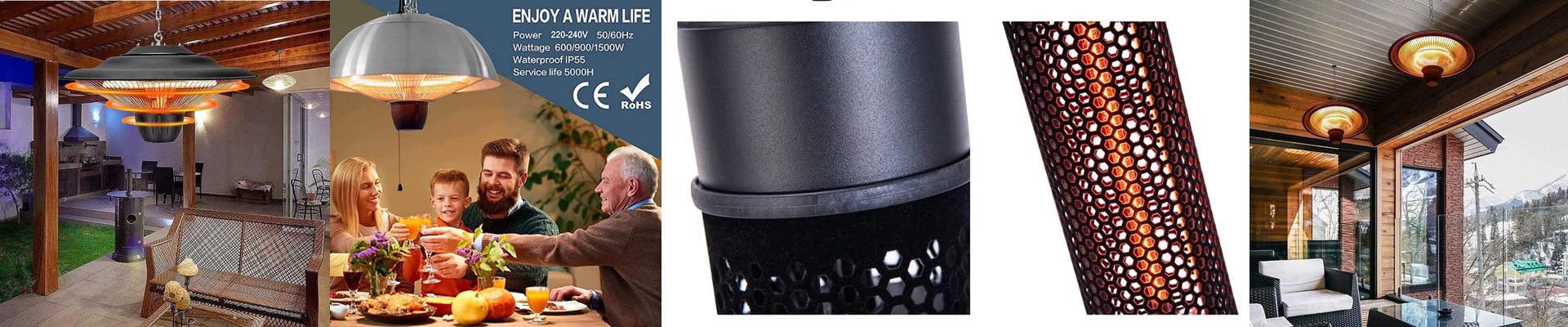
These heaters are intended for covered, protected areas—direct exposure to heavy rain or snow isn’t the right application. Plug-in models are straightforward to set up, but hardwired units need a dedicated circuit and professional wiring. Placement matters. Mount at the recommended height and angle so the infrared pattern covers seating areas evenly. And because adaptive control depends on the sensors, keep the front window clear and unobstructed for the best response.