

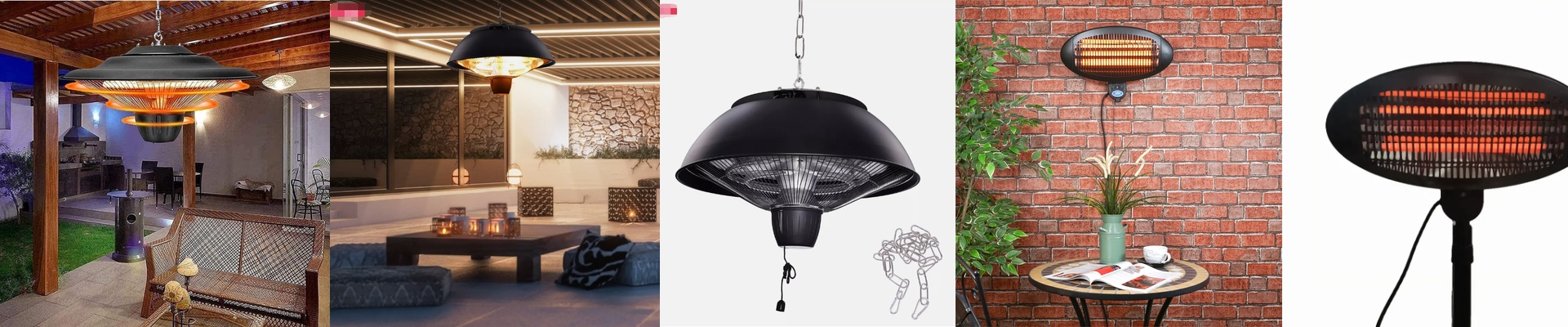



How to Get the Heat Without the Blinding Light
If you’ve ever used a ceiling-mounted infrared heater in a bathroom, you know the deal. They use these short-wave quartz lamps that get you warm instantly. But there’s a catch: they can be blinding. That bright, harsh glare isn’t just annoying—it’s a real problem for the eyes, especially for babies and kids whose vision is still developing. Nobody wants to feel like they’re standing under a stadium floodlight while they’re trying to dry off. Dealing with the glare We handle this by tweaking the light itself. Instead of just throwing a raw quartz tube in there, we use special coatings or “doped” filaments. The goal is simple: we want the heat (the infrared stuff) to get through, but we want to block the visible light. It’s not about making the light “soft.” It’s about cutting out the brightness entirely so you get the warmth on your skin without the blinding white light in your eyes. The nitty-gritty details These units usually plug into a standard 220V-240V line. To make sure the lamps actually last and stay hot, we fill them with halogen. Depending on how high your ceiling is, you’re looking at something between 250W and 600W. But here’s the tricky part: the heat is incredibly concentrated. To make it work, you need a reflector with a perfect parabolic curve. If that curve is off by even a few degrees, you’ll end up with weird hot spots on the floor and cold patches where you’re actually standing. It’s all about the angle. A few things to watch for during install The best part? There’s no waiting around for the room to warm up. It’s instant. But because these things get so hot, the housing has to be tough. We use aluminum alloys and heat-resistant polymers so the casing doesn’t warp or melt over time. One quick tip: make sure you use high-temp wiring. You don’t want the insulation melting because the leads couldn’t handle the heat. Also, remember that the closer the lamp is to the person, the more intense it feels. If the filter isn’t working right, it can actually irritate the skin, so keep those distances in mind.