

For older adults, staying warm in winter isn’t just comfort—it’s about keeping muscles loose, circulation steady, and not putting extra strain on the heart. Traditional forced-air heaters tend to blast hot air that rises fast, leaving floors chilly and stirring drafts that feel off-putting. Infrared warmth is the more direct route—heat you feel the instant it reaches you, the same way sunlight warms your skin.
What actually matters under the hood
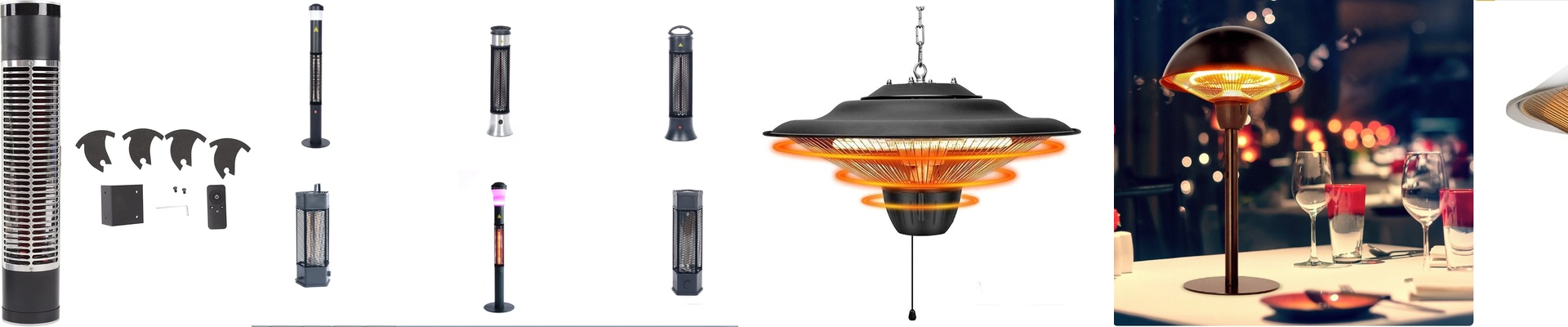
We built this CE certified electric heater around near-infrared technology, so it delivers radiant heat instead of moving air. The heating element throws out a broad, even field of warmth that travels outward and warms people and objects first, then gently re-radiates into the room. That’s the “bio heat” effect—heat that penetrates superficial layers and supports natural circulation without the jolt of hot air. The payoff is steady, draft-free comfort that keeps the body in a comfortable thermal zone.
Why this approach works in living rooms and covered patios
With infrared, comfort hits almost immediately, and the air stays more stable. You don’t get that dry, swirling heat that can irritate the respiratory tract, and you don’t end up with temperature layers across the room. For seniors, that translates to steadier comfort, fewer cold-induced tension points, and a calmer feeling that supports cardiovascular ease. The warmth stays where you need it—at floor level and around the body—so evenings feel soothing, not stressful.
Practical notes that make the difference
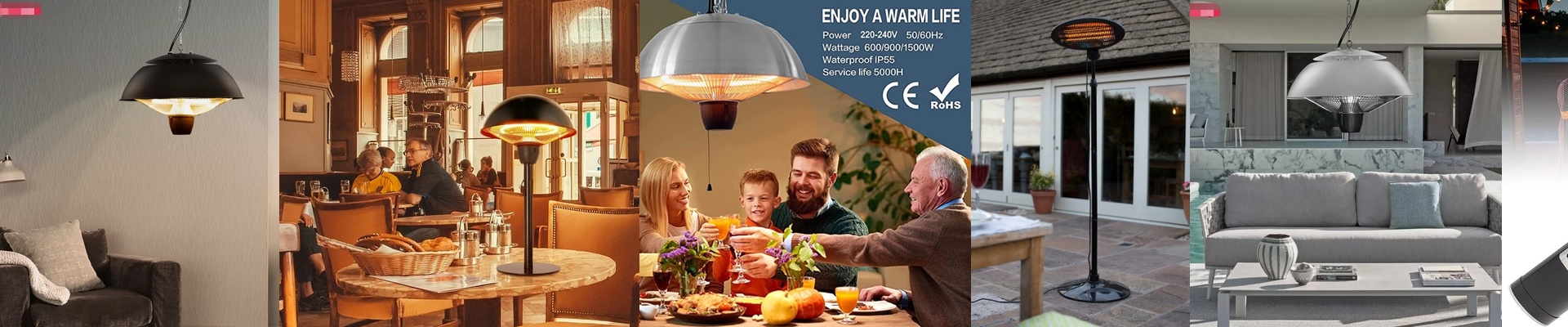
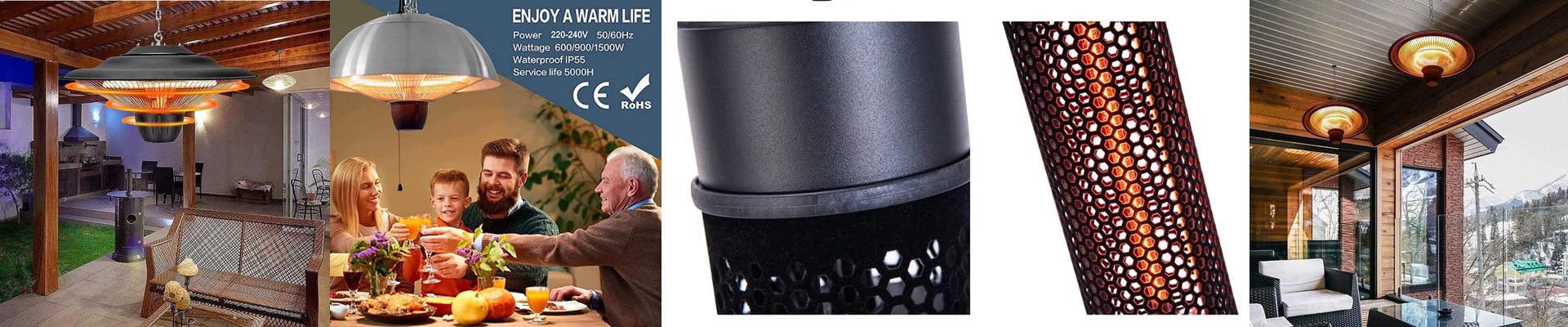
**Radiant comfort is all about placement.**Aim the heater so it reaches the seating area directly, and it performs best in covered, sheltered spots. Indoors, pair it with a thermostat for consistent temperature control. Outdoors, make sure the unit is rated for the environment and positioned where wind won’t disrupt the warmth pattern. Infrared is exceptionally efficient for targeted comfort, but it won’t heat an entire open yard—plan your placement around where you actually sit, relax, and spend your time.