

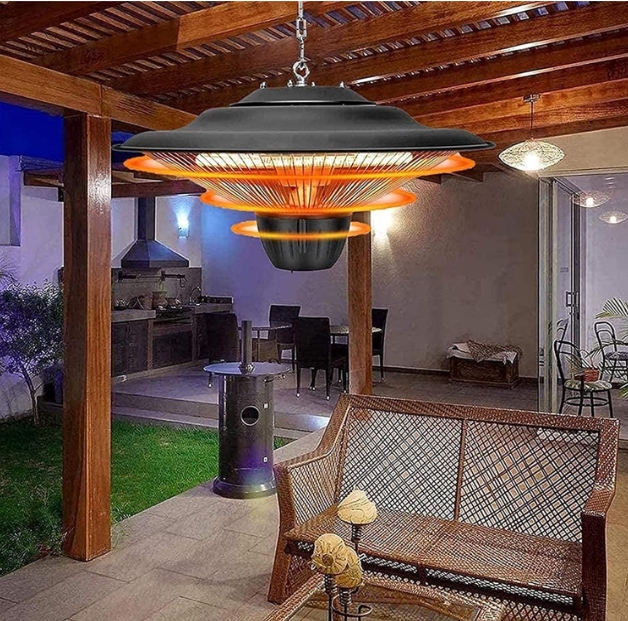
Wind kicks up on the patio, or a draft slips under the workshop door—comfort comes down to heat that fires up instantly and fits the spot. That’s exactly why we built our electric blow heaters: immediate, directional warmth that keeps people comfortable without the wait.
What’s actually happening under the hood
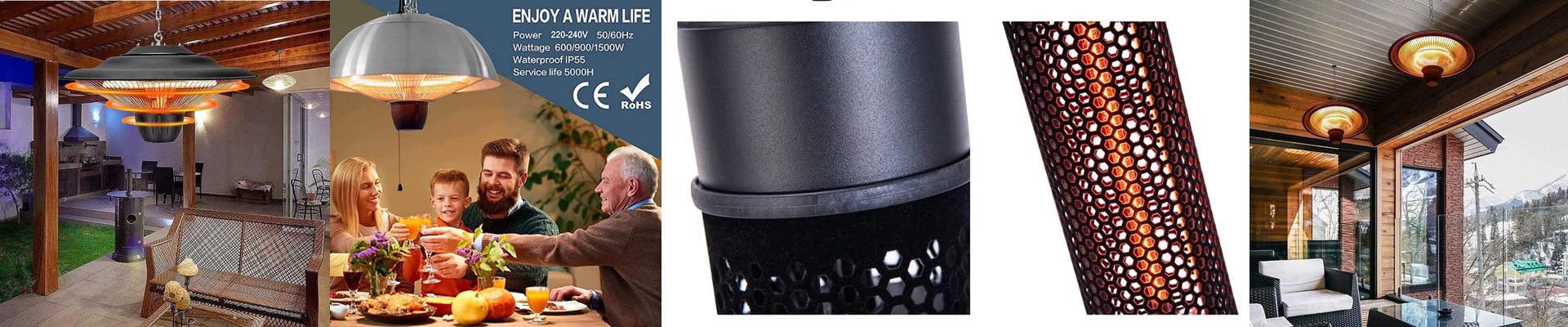
These units pair infrared warmth with forced air, so you get heat exactly where you need it. A halogen or quartz tube delivers direct infrared warmth, and the blower spreads heated air to widen the coverage. You can match output to the space—compact units for tight spots, higher-capacity models for bigger areas—and spec the voltage that matches local power: 110–120V or 220–240V, single or dual voltage. We match the plug and wiring to regional standards—NEMA, Schuko, BS1363, and others—so the heater drops in cleanly at home, on the patio, or in commercial settings. The thermostat keeps the temperature steady, and the safety basics are covered as standard: tip-over protection and overheat cut-off.
Why this approach matters on real jobs
International projects go sideways when the equipment doesn’t fit local power and plug realities. We treat customization as part of the engineering, not a bolt-on. Whether you need a North American 120V setup for a backyard evening or a European 230V configuration for a covered café, we tailor the heater to the country, the outlet, and the load. That means fewer adapters, fewer wiring headaches, and faster installs. For you, it’s a patio that stays usable in shoulder seasons, a workshop that keeps running, and comfort that doesn’t rely on guesswork.
The practical details you’ll want to get right
Plan the electrical run up front. These heaters draw real current, so the circuit needs to match the rated power and the outlet has to be properly grounded. In damp outdoor spots, pick a model with the right IP rating and keep the heater protected from direct rain. If you’re ordering across multiple countries, nail down voltage, plug type, and cord length early. Matching the spec on paper keeps delays off the job site.