
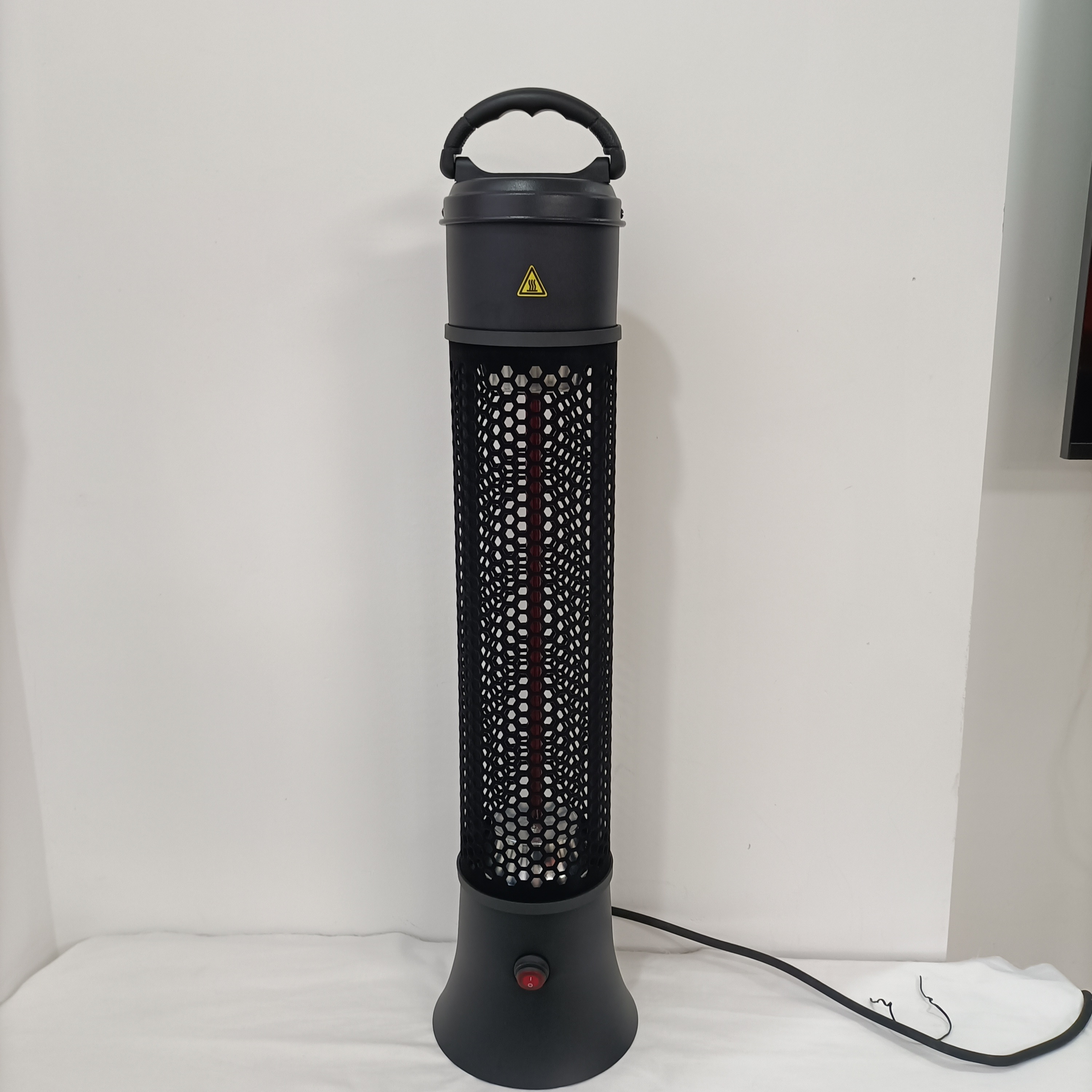
Why Your Infrared Heaters Actually Fail
Here is a little secret about infrared heaters: the heating element itself is rarely the problem. Usually, the whole thing crashes and burns right where the lead-wires connect. When you’re pushing these units to their limit, that tiny gap between the quartz tube and the wiring becomes a disaster zone. Most cheap heaters just throw these together with basic assembly, leaving the connection wide open to heat stress and oxidation.
The “Burn Out” Problem
Most shops rely on simple crimping or some low-grade heat shrink. That works for a while, but in a high-heat environment, the insulation just can’t take the beating. The heat doesn’t stay put in the tube. It creeps. It travels right back along the wire, baking the insulation until it gets hard, cracks, and eventually just flakes away. Once that bare wire is exposed? You’re looking at an arc or a dead short. Not a great day at the office. We handle this differently. We use OEM-grade sealing—think high-temp ceramic adhesives or specialized silicone gaskets—right at the entry point. It creates a real physical wall. This keeps oxygen away from the connection and stops the heat from migrating and cooking your wires.
A Quick Warning on High-Wattage Setups
If you’re spec-ing out a high-wattage application, you have to think about “heat soak.” A tight seal is great for preventing shorts, but it means those lead-wires are locked in. Just a heads-up: don’t bend these wires sharply near the seal. If you do, you might put too much pressure on the internal filament, and that’s a problem you don’t want.
Stop Chasing “Ghost” Shorts
When you seal things properly, the heater just works. You get thousands of cycles without having to worry about those annoying “ghost” shorts that make generic heaters such a pain. We build these to stay wired up and running. No more constant insulation checks or guessing games. If you’re finding yourself replacing your setup every six months, it’s almost certainly a sealing issue.