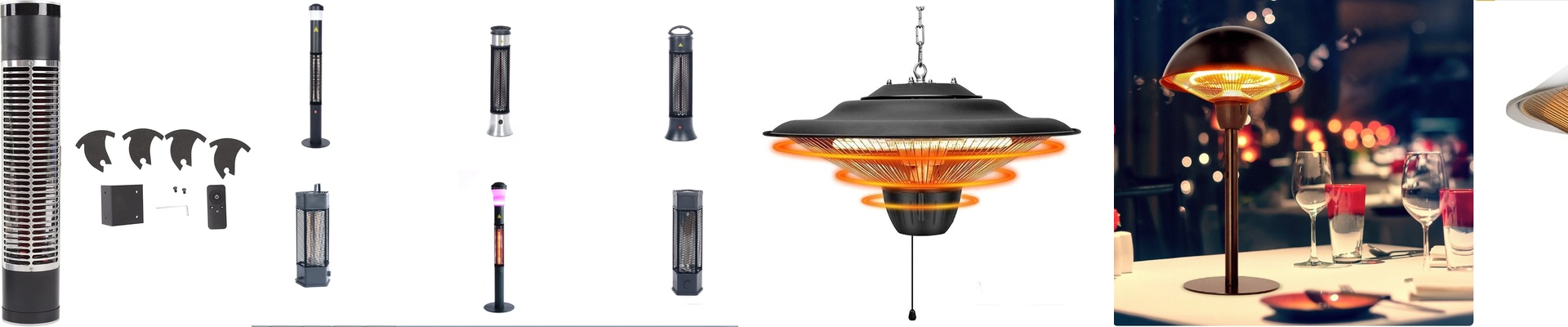
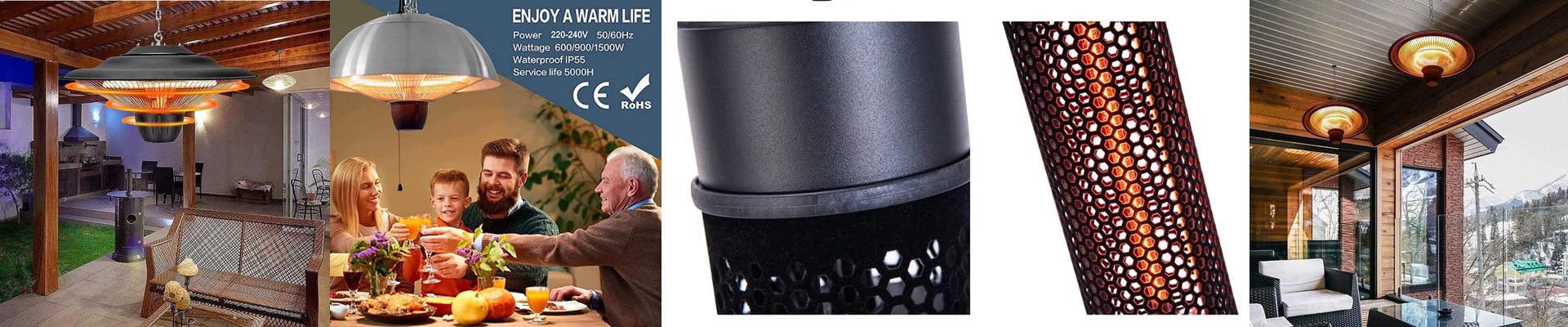
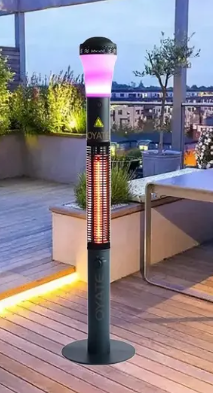
We started with a question that goes beyond just getting a room warm. How do we nail “precise heat management” when comfort, control, and clean energy are all on the table? The answer lands in the new wave of eco mode space heaters—built to put warmth where you need it, when you need it, without burning energy you don’t use.
What actually matters under the hood
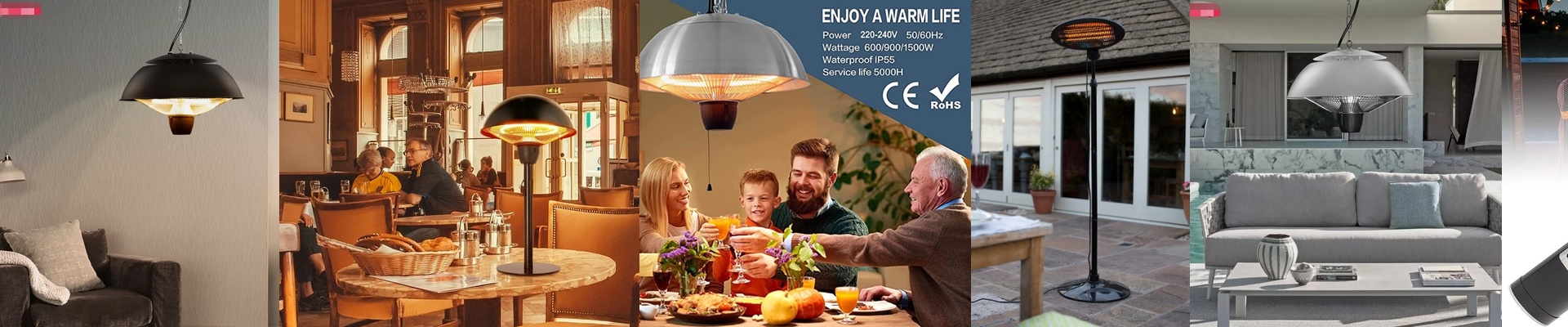
Eco mode heaters lean on responsive infrared radiant heat, paired with a smart thermostat that keeps the temperature in a tight band. No more on/off cycling that spikes your energy use. The heating element is usually a carbon fiber or quartz tube, and it kicks out instant warmth that feels natural, not forced. Most units run off a standard 120V outlet, pull 1.5–1.8 kW, and cover 150–300 sq ft depending on layout and insulation. Safety is baked in: tip-over protection cuts the unit off if it gets knocked over, and overheat protection pauses output when internal temps climb beyond set limits. Many models carry an IP rating suitable for covered outdoor areas, so they’re genuinely versatile for indoor-outdoor living.
Why this approach fits real-world use
Precision matters when you’re stretching evenings on the patio, keeping a workshop livable, or keeping the chill out of a sunroom. With eco mode, you get steady heat without the jolt of a cycling fan heater—so you can sit, work, or entertain without constantly chasing the thermostat. The radiant warmth helps comfort, too. It eases muscle stiffness and keeps the air from feeling bone-dry, while energy use stays disciplined. In practice, people see steadier bills and fewer temperature swings, even when the outdoor temp drops.
The practical details that make the difference
Eco mode performs best in well-insulated spaces and covered outdoor spots. If you’re dealing with an open, windy area, you’ll need a higher-capacity outdoor heater or a couple of units. **Placement is half the job.**Put the heater where the infrared warmth hits people directly, and keep clearance around it so airflow isn’t pinched. For the most consistent comfort, match the heater to the room layout and your usual activity zones—precise heat management is as much about where you point the heat as it is about raw power.