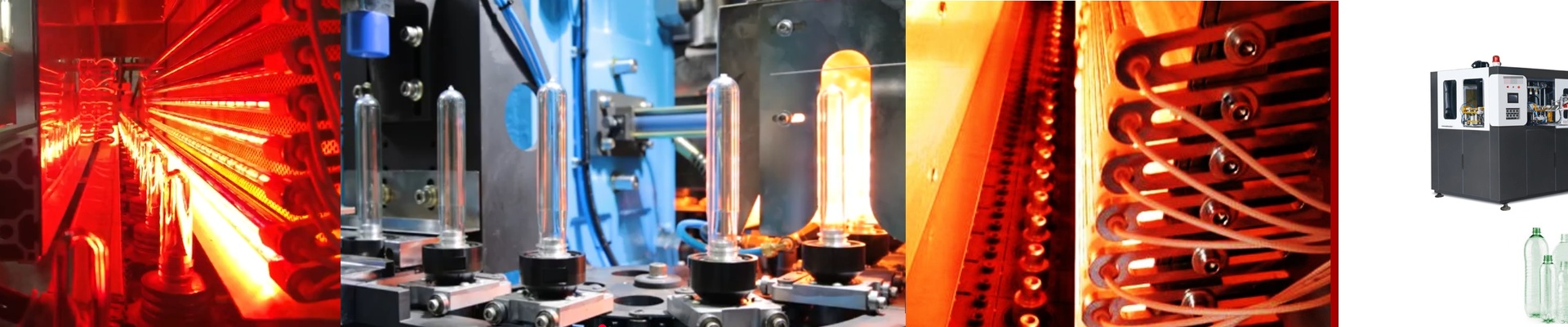
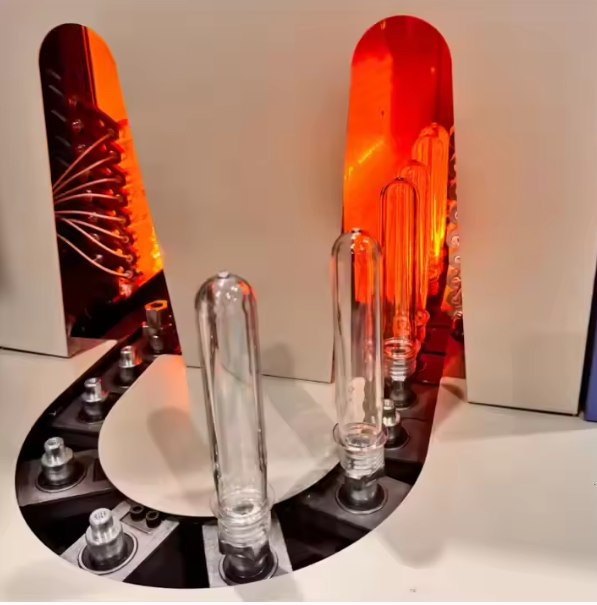
On a Husky HyPET 300 line, the heating tunnel is where the whole schedule hangs together. Let the bulb output drift, and you stop chasing the right preform temperature—you start chasing scrap: hazy bottles, wall thickness that wanders, and surprise line stoppages. Then the maintenance log gets ugly—more spares, more labor, and the energy numbers keep climbing. What actually matters under the hood The Husky HyPET 300 heater bulb is a halogen infrared emitter, built for the preform heating tunnel. We stick to the OEM’s core specs: the right wattage density, filament geometry, and the spectral profile that PET needs to heat fast and repeat. The quartz envelope is made to handle serious thermal shock, and the lamp uses an R7s connector so it drops straight into the existing socket—no rewiring. In real terms, that means you can swap a failed emitter quickly, get the heating curve back where it should be, and keep the stretch blow molding cycle stable. Why this isn’t just “any bulb” This isn’t a universal substitute. It’s a direct-fit heat source, designed around the HyPET 300’s tunnel layout and control strategy. When the infrared output stays steady, preform heating gets more uniform, which cuts down off-spec bottles and keeps the machine running at the intended cycle. The payoff is fewer changeovers forced by heating drift, lower scrap, and spare inventory you can plan for. Energy use drops too, because the system isn’t constantly compensating for weak or aging emitters. Field-level details you’ll appreciate Installation is straightforward, but the heating tunnel is a harsh place. Handle the quartz bulb by the ceramic base, keep the socket clean and dry, and double-check the voltage matches the label before you energize it. For the best results, pair the replacement with a full tunnel audit—reflector condition, alignment, and temperature sensor calibration all shape how long the bulb holds up. You can expect consistent output over a long service window, but plan preventive replacements so you don’t get blindsided by downtime.