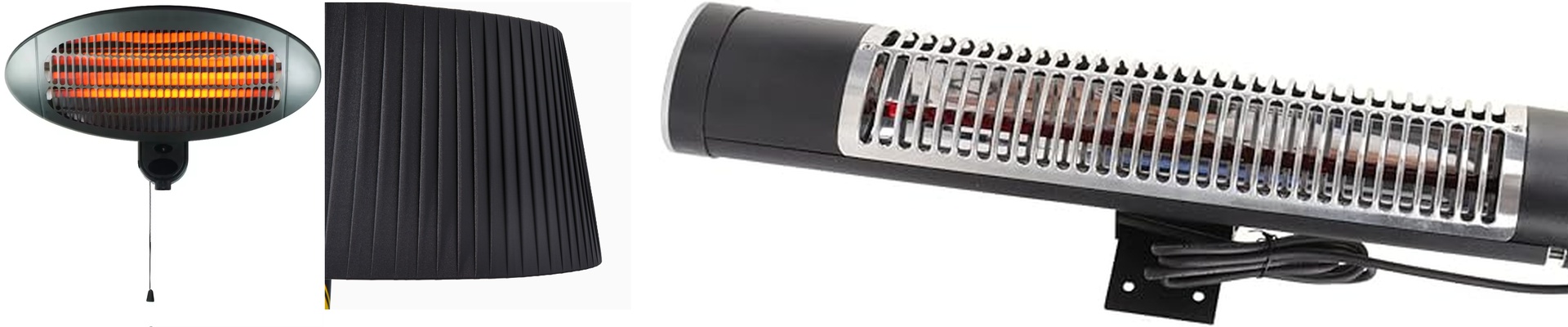
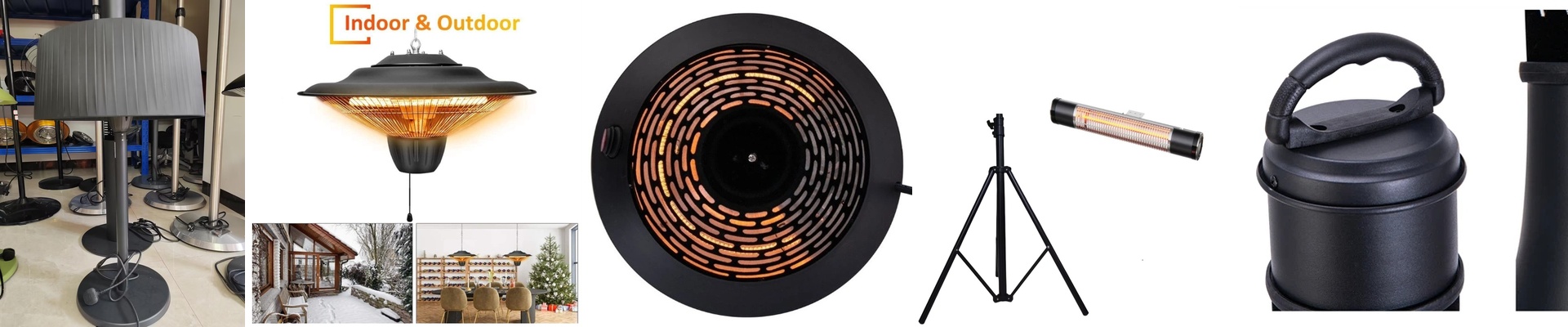
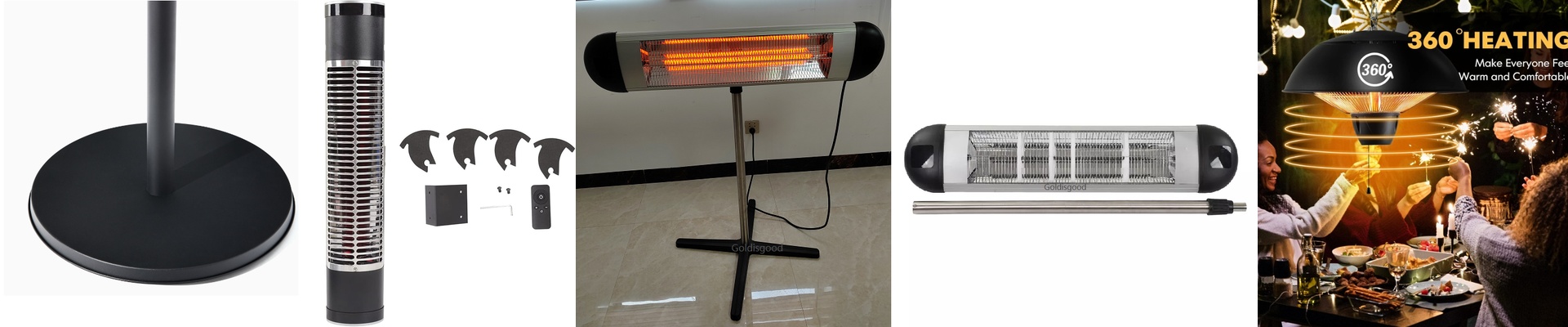
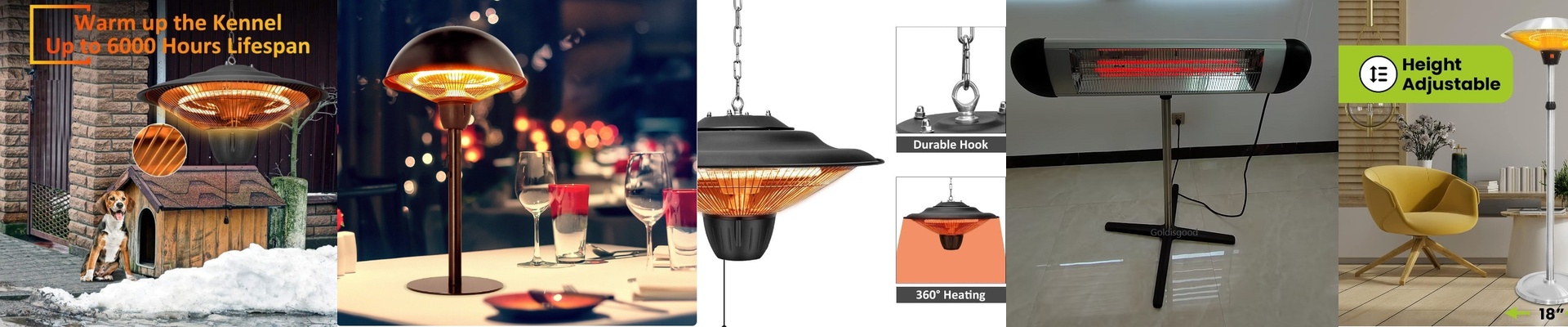
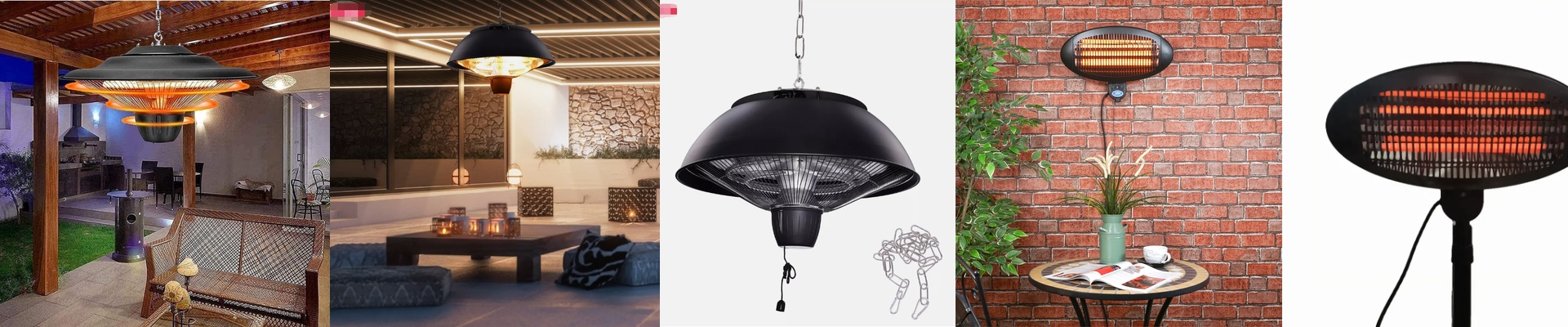

Keeping Your Bathroom Infrared Heaters Safe (and Dry)
Let’s be honest: putting high-voltage heating lamps in a room full of steam and splashing water is a bit like playing with fire. If moisture sneaks into the wiring, you’re looking at short circuits or current leaks. It’s a mess nobody wants. To get this right, you can’t just slap a plastic cover on it and call it a day. You need a full IP65 approach. The battle against moisture Most of these units fail at the same spot: where the lamp meets the power lead. That’s the “weak link.” To stop water vapor from creeping in, we use silicone gaskets and reinforced potting compounds to seal those joints tight. Why? Because when moisture hits the contacts, you get “tracking.” That’s just a fancy way of saying the electricity jumps where it shouldn’t, and your heater burns out. Not a great way to start your morning. Picking the right stuff Quartz tubes are great for heat, but the housing around them has to be smart. We use high-temp polymers or powder-coated aluminum with a solid earth ground. The wiring is just as important. It has to handle the heat of the lamp and the humidity of the shower without the jacket cracking. We stick with heat-resistant, moisture-proof cables so the whole thing doesn’t fall apart after a few months of thermal cycling. The tricky part: Heat vs. Water Here’s the thing… there’s a bit of a tug-of-war happening here. If you seal the unit too tightly to keep the water out, you trap the heat inside. If the base gets too hot, the insulation starts to degrade, and the life of your heater drops fast. It’s a balancing act. You need a seal that keeps the splashes out but still lets the chassis “breathe” enough to shed heat. And for some extra peace of mind? Wire it up with a dedicated GFCI. That way, if a seal ever does fail, the power cuts instantly. Simple. Safe. Done.