Why You Actually Need Explosion-Proof Quartz Glass in Your Bathroom
Bathrooms are kind of a nightmare for heating elements. Think about it: you’ve got these high-wattage infrared lamps that get screaming hot in a matter of seconds. Then, a stray splash of cold water hits them, or the room fills up with thick steam. That sudden jump from “red hot” to “ice cold” is a recipe for disaster.
The deal with thermal shock
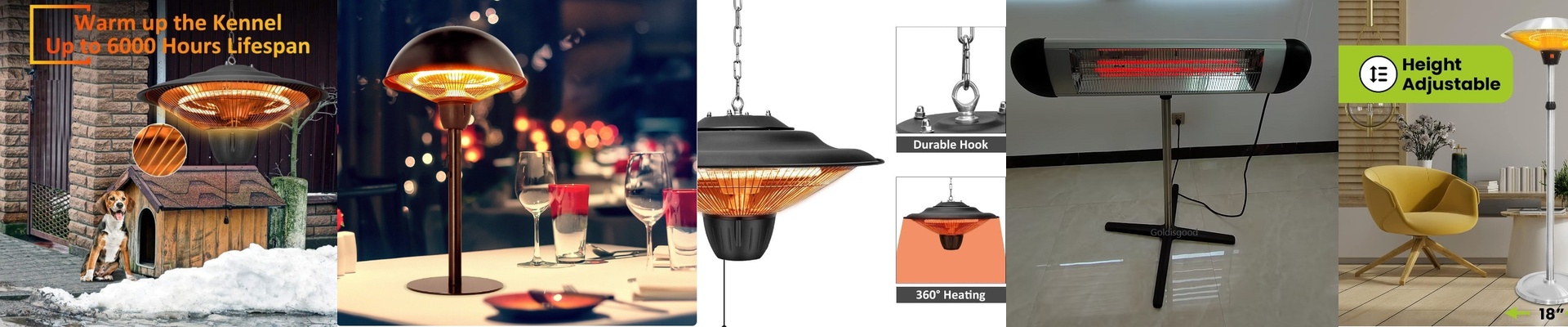
Most quartz glass can take the heat, but it hates surprises. When a cold drop of water hits a hot surface, the glass can just… snap. That’s thermal shock. That’s why we use explosion-proof quartz. These tubes are treated so they can expand and shrink quickly without freaking out. And if a tube does happen to fail? The “explosion-proof” part means it won’t send shards of glass flying all over your shower. It keeps the mess contained, which is exactly where you want it.
How the heat actually works
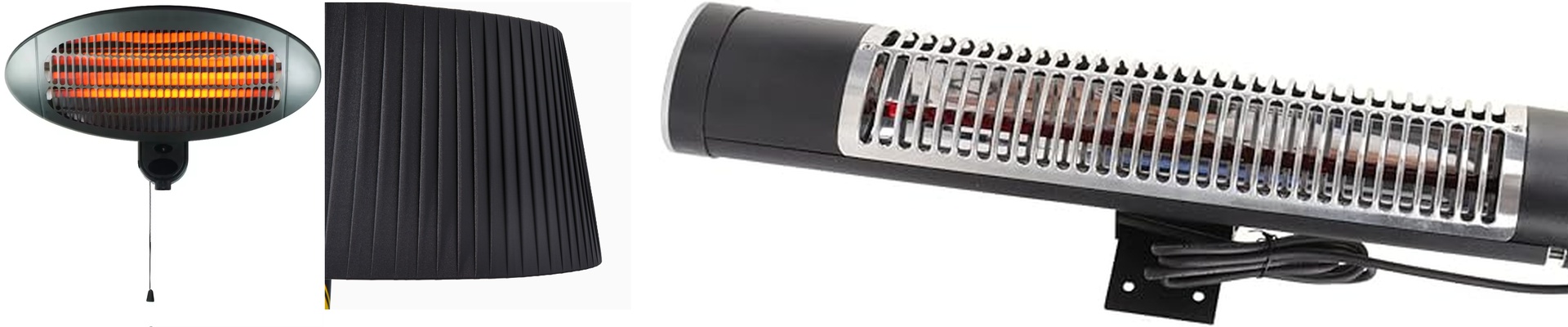
These lamps use short-wave infrared radiation. The quartz glass is designed to let that heat zip right through without soaking it up, so the warmth hits you instead of staying trapped in the bulb. We use high-purity silica for this, mostly so the glass stays crystal clear and doesn’t get cloudy or gross over time. One quick tip:**check your wiring.**These lamps pull a lot of power. If your wires can’t handle the peak wattage, you’ll get voltage drops. When that happens, your heater just won’t feel as warm as it should.
Real-world installation
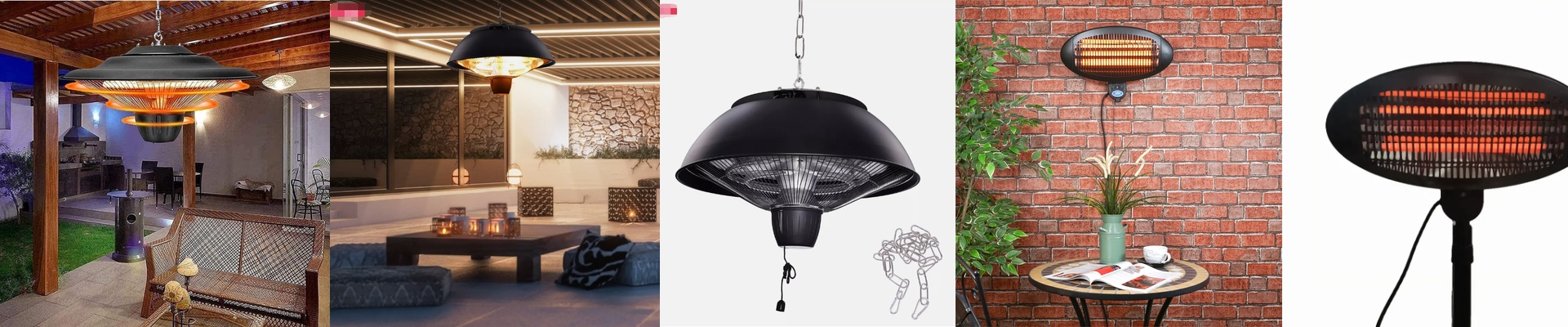
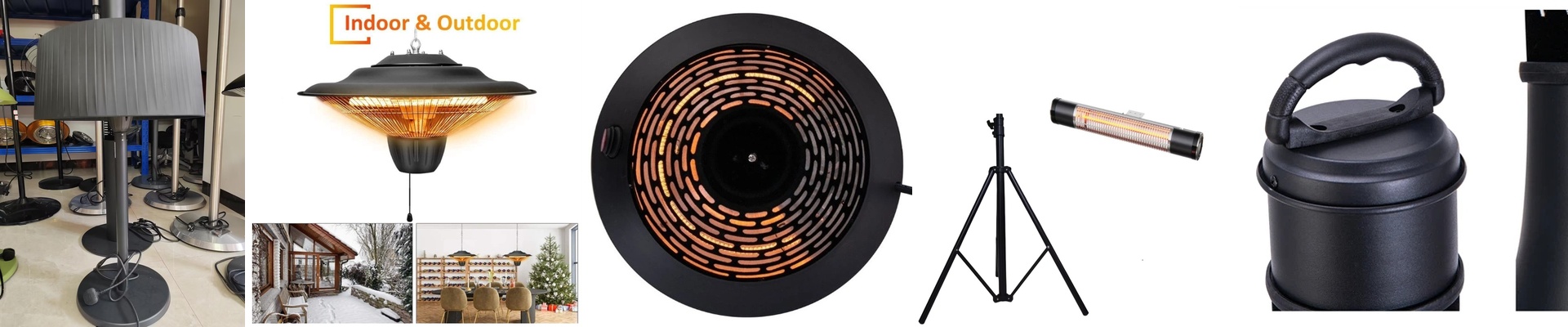
Popping these into a ceiling fixture is usually pretty easy. But here’s the thing: the seal is everything. If your housing lets steam leak directly onto the electrical contacts, you’re looking at corrosion and a burnt-out lamp way sooner than you’d like. Just remember, this glass is a safety net, not a magic wand. If you push too much voltage through it or use a cheap, faulty dimmer, you’ll still fry the filament. Just match your power supply to the lamp’s rated wattage and you’ll be good to go.