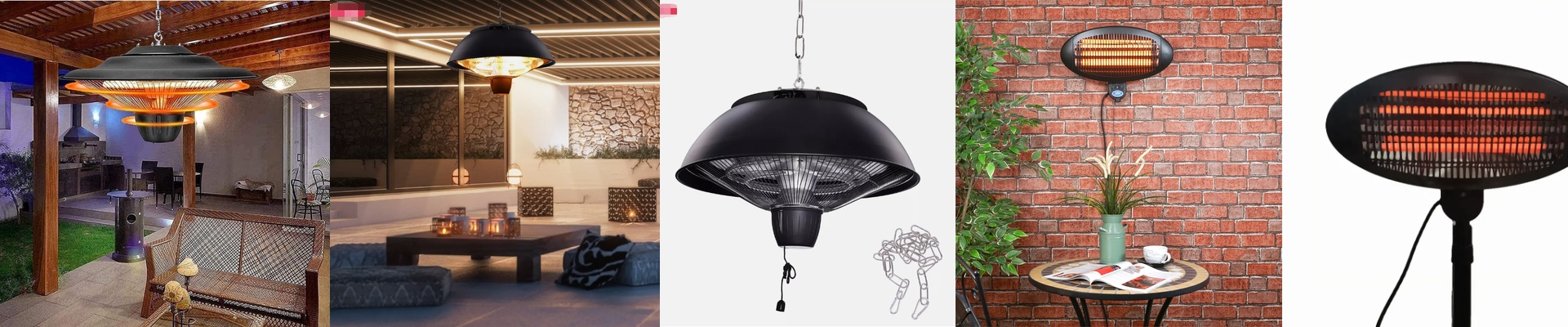
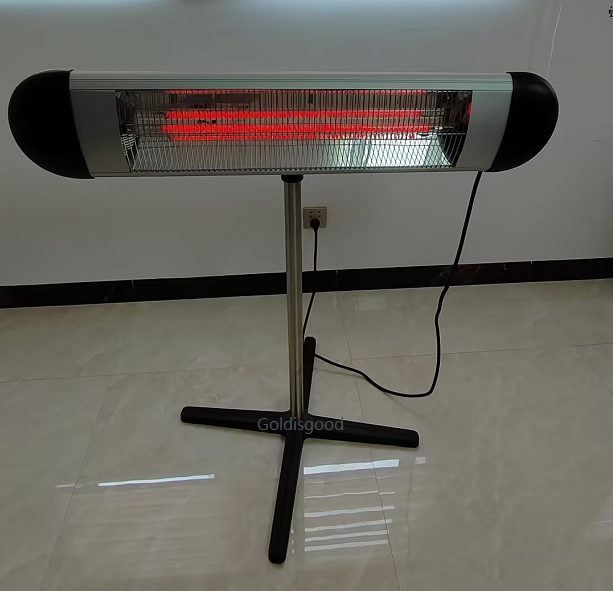
Making Your Ceiling Heaters Actually Smart
If you’ve ever stepped into a freezing workshop in January, you know the struggle. Usually, you’re standing there shivering, waiting for a furnace to kick in and slowly nudge the air temperature up. But ceiling infrared heaters work differently. They don’t bother with the air; they just beam heat straight down onto you and your gear. When you hook these up to a smart system, you stop messing with clunky wall switches and start letting the building do the thinking for you.
Getting That Instant Warmth
The goal is to walk in and feel that “instant spring” vibe. To do that, we wire the heaters through smart relays or PLC modules tied to occupancy sensors. Instead of flipping a switch and hoping for the best, the heat kicks in the second you walk through the door. And because infrared travels at the speed of light, you feel it immediately. No waiting. No drafts. Just warmth.
Managing the Power (Without Burning Your House Down)
Most of us use Zigbee or Wi-Fi controllers to run the show. It’s pretty handy—you can set a schedule so the shop is cozy exactly five minutes before the shift starts. Or, you can split the room into zones. Why pay to heat the tool storage area if everyone is hanging out at the assembly bench? But here is a big warning:don’t get cheap with the hardware. If you try to plug an industrial infrared array into a $10 consumer smart plug, it’ll probably fry in a week. These lamps pull a lot of power. You need heavy-duty, industrial-grade contactors that can actually handle the load.
A Quick Reality Check on Physics
Here’s the thing: infrared is all about the line-of-sight. If you slide a massive shelving unit or build a mezzanine floor right under a heater, the person standing underneath that obstacle is going to stay freezing. A smart controller can’t fix a physical shadow. When you’re planning where the heaters go, look at your floor layout. Place them where people actually stand, or you’ll end up with some very annoying cold spots.