


Stop Fighting Your Bathroom Heater
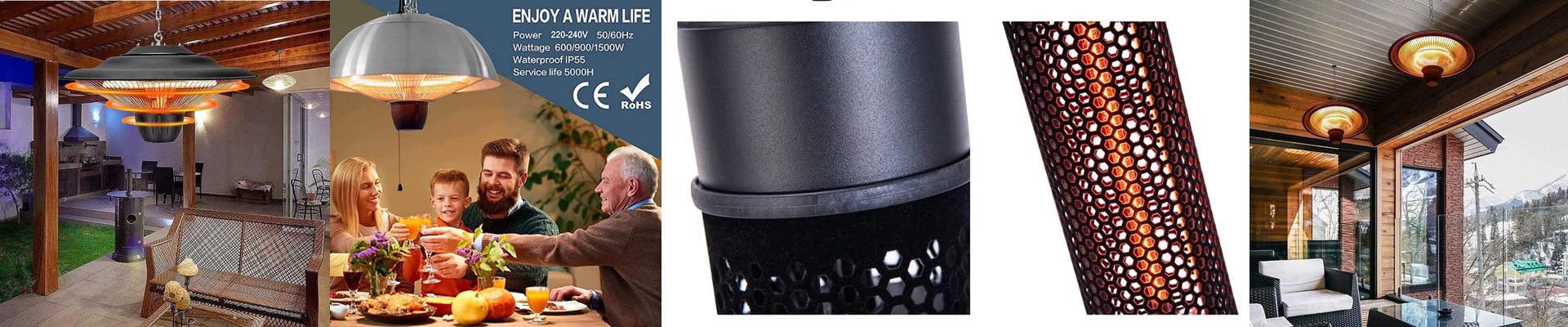
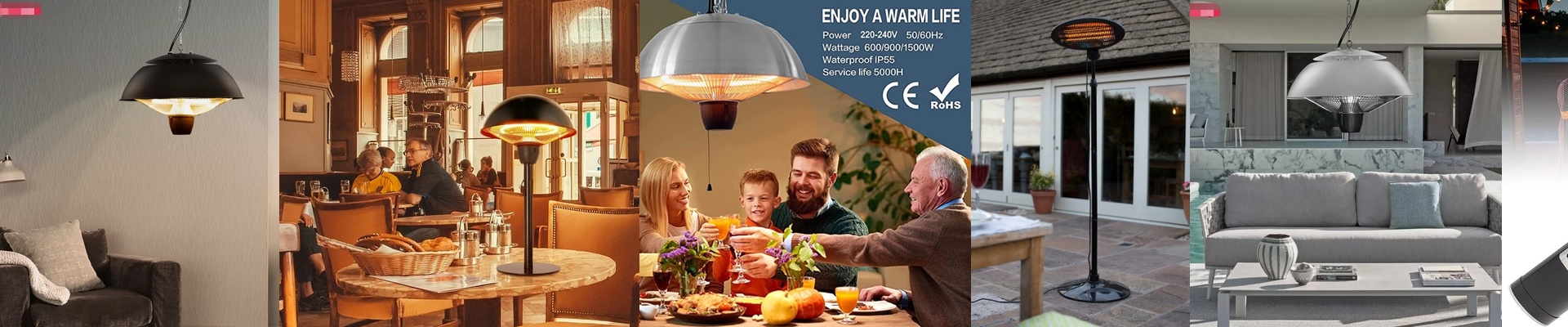
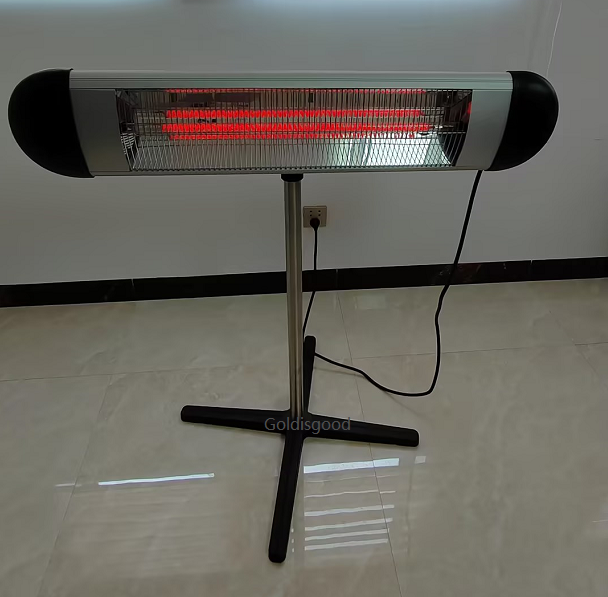
Let’s be honest: most bathroom heaters are a joke. You know the ones—those old halogen lamps that flicker, burn out way too fast, or just stop working the moment the room gets a bit too steamy. It’s frustrating. You’re stepping out of a hot shower into a freezing room, and the heater is doing nothing but making a clicking sound. That’s why we’ve started moving toward IP55-rated infrared heaters. They’re basically the heavy-duty “patio style” heaters, but built for your indoor space. Why the “IP55” thing actually matters If you aren’t a tech person, “IP55” sounds like a boring serial number. But in a bathroom, it’s everything. It basically means the unit is sealed tight against dust and water splashes. Think about it. Bathrooms are basically steam rooms. All that moisture creeps into the electronics of a standard heater, shorts things out, and trips your breaker right when you need the heat most. We build these units with thick gaskets and housings that don’t rust, so the water stays out and the power stays on. Heat you can actually feel Here is the cool part. Most heaters try to warm up the air. But air is slippery—it moves. You get a draft, and the warmth is gone. Infrared is different. It doesn’t care about the air; it sends out waves that heat you and the floor directly. It feels like standing in a patch of sunlight on a winter day. Plus, we use short-wave elements, which means the heat cuts right through the humidity instead of getting blocked by the steam. It’s instant. No waiting around for the room to “warm up.” A few things to keep in mind Now, you can’t just plug these into a cheap extension cord and call it a day. These units pull a decent amount of power to get that instant heat, so you’ll need a dedicated circuit. It’s worth having an electrician take a look at your panel first to make sure it can handle the load. And a quick tip on where to put it: don’t mount it too low. Because the heat is so concentrated, you don’t want to create a “hot spot” right above your head. We usually suggest hanging them at least 2.2 meters up. That way, the warmth spreads out evenly across the floor, leaving you with a cozy, dry room without the fragility of those old glass bulbs.