Let’s cut through the tech talk: How this heater actually works
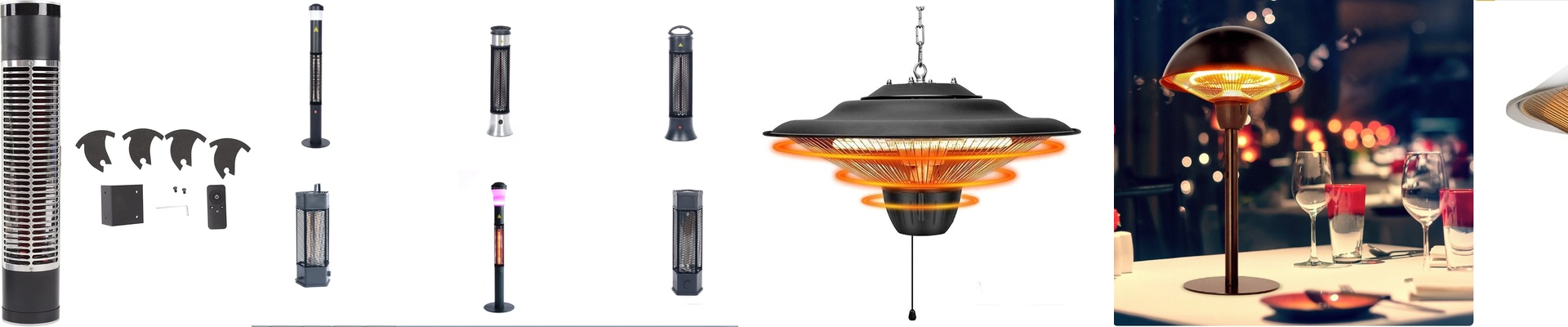
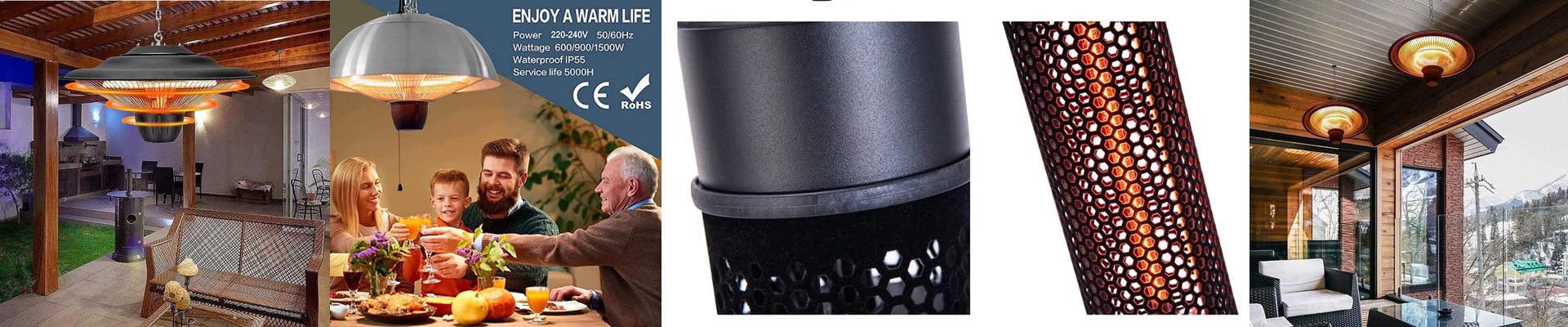
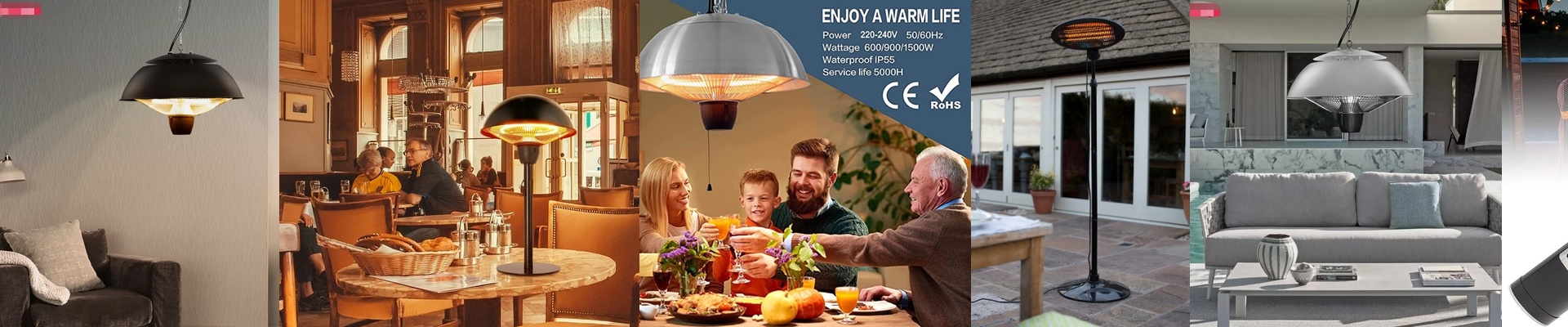
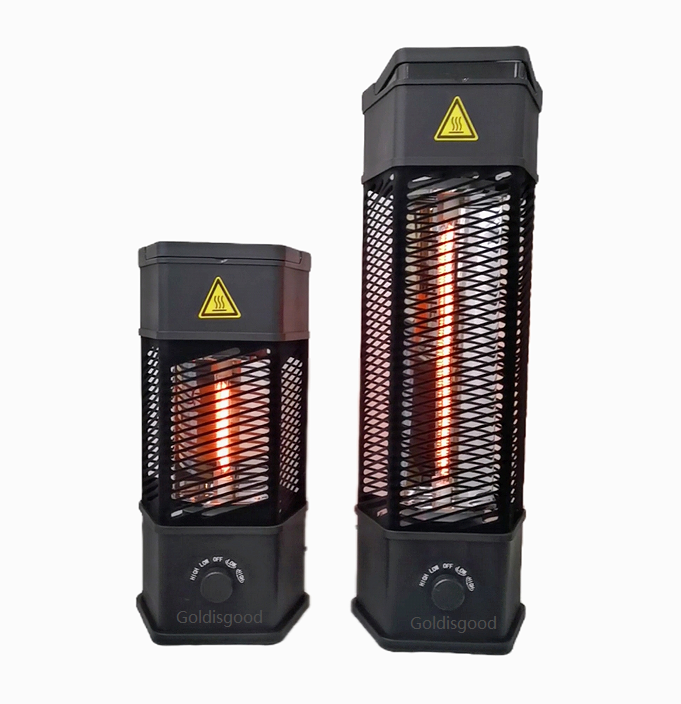
Here’s the thing about heating an open patio—you can’t just throw a space heater out there. You need something that warms people directly, without wasting energy on the air around them. That’s exactly what we built this infrared heater for. It’s got a serious 2500-watt halogen element inside. That kind of power is what gives you that warm, focused heat that reaches people and tables up to 5 meters away. No fuss, no waiting—just immediate comfort. Now, it runs on a 400V three-phase supply, which is standard for commercial spaces. Why does that matter? Because it keeps the current lower, so you can use thinner wiring. That means easier installation and lower material costs. Plus, the whole unit is pretty compact, so you can mount it just about anywhere. But—big but—with that kind of heat output, you’ve got to respect the clearance. Safety and performance go hand in hand.
Built to last, designed for real-world use
Inside, the heating element is a halogen-filled quartz tube. This isn’t just about heat—it keeps the filament clean and bright, which means the heater lasts way longer than a standard tungsten element would. We also added a special coating on the tube. It cuts down on glare and shifts the light toward longer wavelengths, so your guests aren’t squinting, but they’re still feeling the infrared warmth. Comfortable light, steady heat. And the connector? It’s an R7s base—a double-ended linear fitting. That means it’s a straight drop-in replacement for most commercial heaters. It locks in tight, handles vibration and the constant on/off cycle without getting shaky. The quartz tube can take a beating, and this base keeps the connection solid, even after years of use.
Turning cold nights into busy nights
If you run a restaurant with outdoor seating, you know the winter months can kill your bottom line. This heater changes that. It turns a space that’s too chilly for customers into a cozy, revenue-generating spot. The heat is intense and directional—right where you need it. People feel warmer faster, which means more of them stick around in the colder months. Tables turn over quicker, and your staff isn’t rushing to close the patio when the temperature drops. But with that focused power comes responsibility. The unit throws a lot of heat downward, but the back and housing get hot too. That’s why the ceiling clearance isn’t just a suggestion—it’s there to keep heat from building up on the ceiling, which could damage finishes or even trip heat detectors. Set it up right, and you’re not wasting energy on the structure. You’re warming the people who matter.