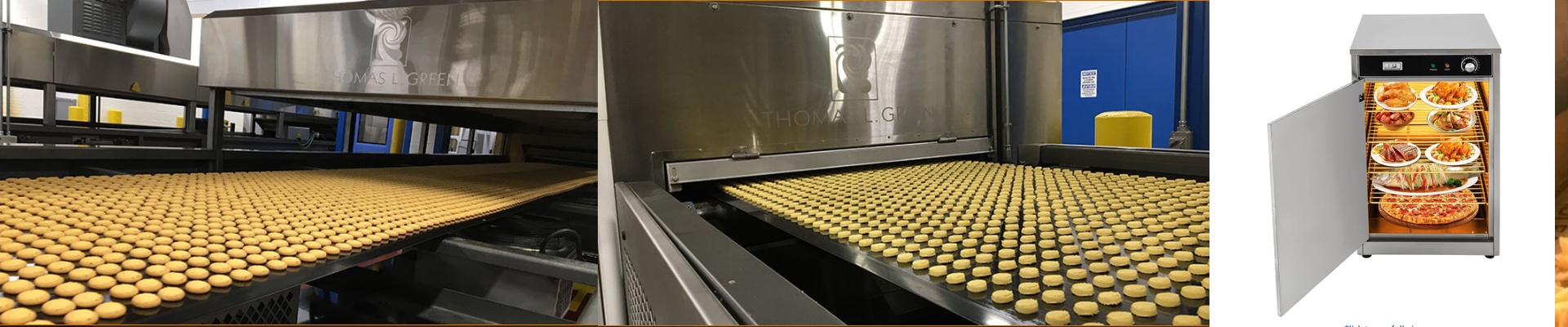
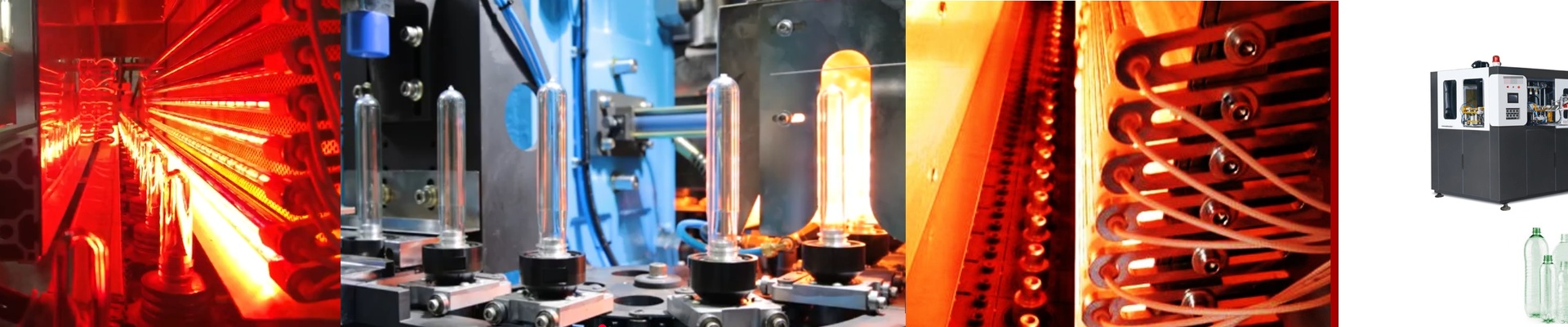
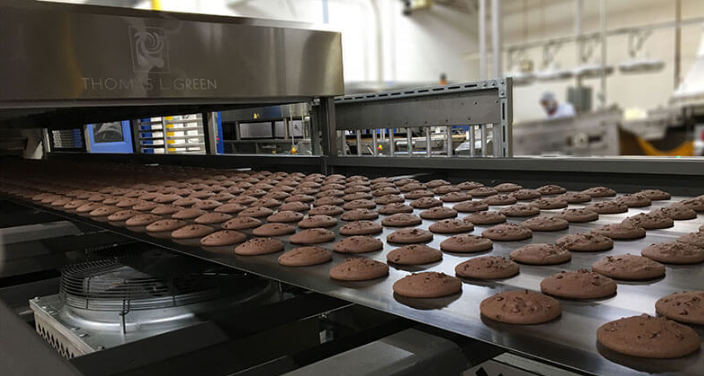
In a busy kitchen, oven downtime is money going out the door. When the steam oven is taking too long to come up to temp, prep drags, tickets stack up, and the heat across the deck gets uneven. You see that on the slice—pale spots, a soft bottom, and a crust that never gets the clean, full caramelization it should. What’s really going on under the hood We built the drying IR heater for steam ovens around short-wave infrared emitters. They throw radiant heat straight into the baking chamber. Paired with steam, it cuts preheat time and smooths out temperature swings, so the stone hearth or deck stays set. It runs on standard commercial power, pulls a predictable load, and mounts cleanly into the oven’s service access. The quartz elements respond fast, give tight thermal control, and hold up under daily bake cycles. Why this works in the real world Once it’s in, you stop burning minutes on warm-up. The IR energy hits the product and the hearth first, so you can load sooner and bake more consistently. Steam stays on to manage moisture, while the IR drying keeps the crust crisp without scorching the top. You get even bakes across full pans, fewer reworks, and a steadier flow when the rush hits. Energy use per bake drops because the oven hits setpoint faster and spends less time holding excess heat. A few shop-floor details Clearance matters. The emitter has to be positioned to heat the baking surface without cooking nearby seals or controls, and the oven interior has to handle the added radiant load. Verify voltage and connector compatibility for your steam oven model before ordering. Plan on a quick calibration run to dial in time, temperature, and steam levels for your dough and pans.