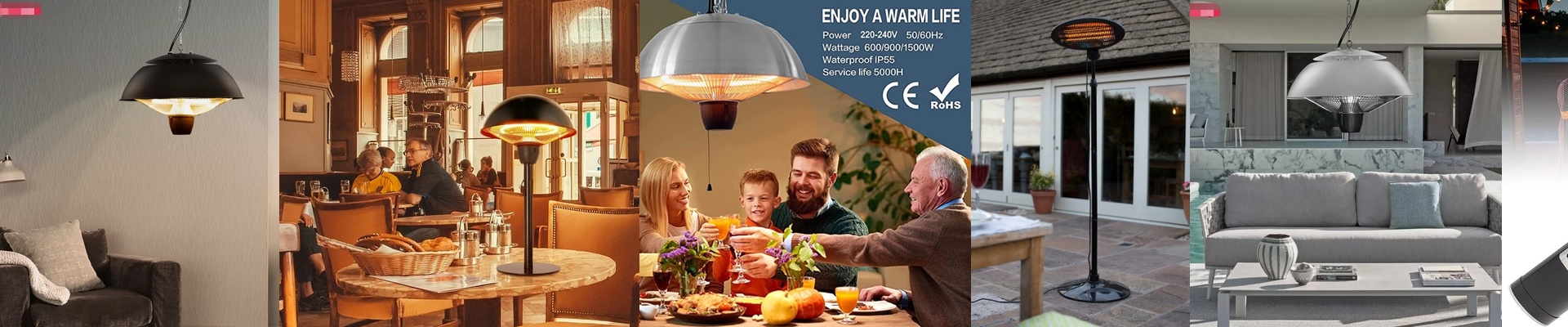
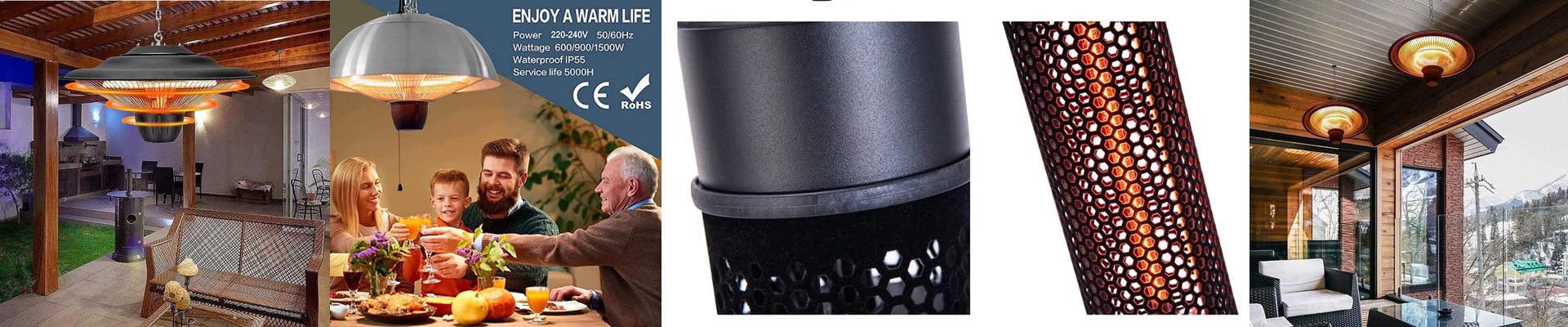
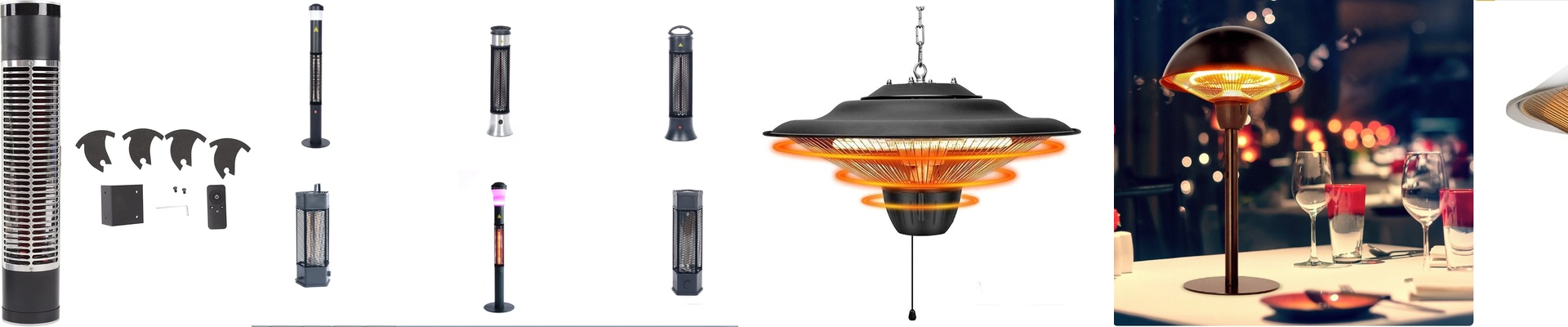
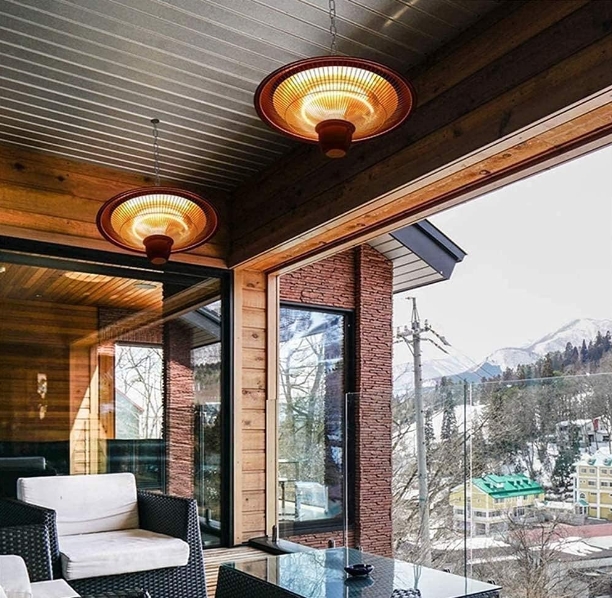
Off-grid life feels liberating—until the sun goes down and the battery bank starts getting stretched. Winter makes that gap obvious: a cold front pushes you inside, even when you just want a few more quiet minutes on the porch. A wall mounted outdoor heater changes that by giving you warmth without leaning on the grid.
What matters, technically
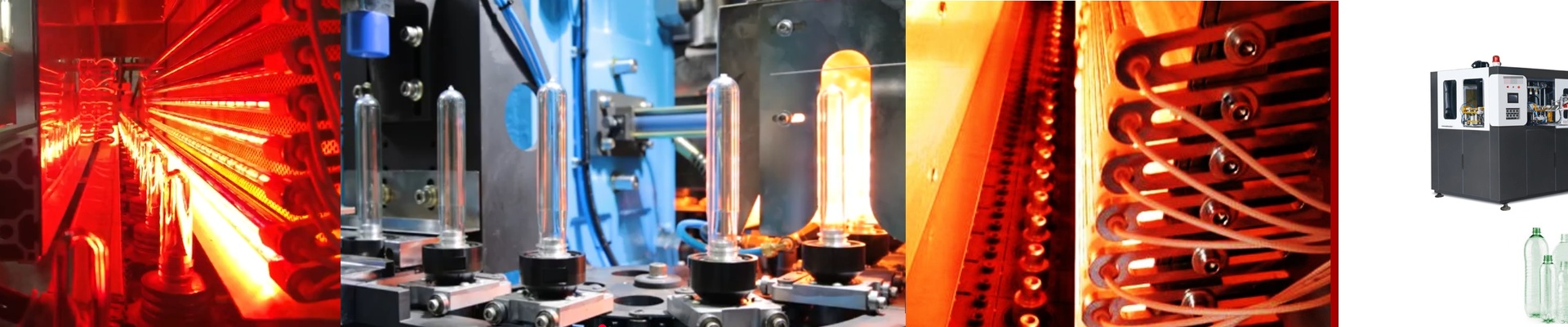
We build our wall mounted outdoor heater around an infrared heating system—high-output carbon fiber element inside a quartz tube. That combo delivers radiant heat fast. You get warmth directly on people and surfaces, not just air that heats up, rises, and vanishes. In practice, you feel comfort within seconds of flipping it on, and you can keep the ambient air cooler while staying cozy. The unit runs on standard electric power, and because the heat is directional, you can size it for the spot you actually use. For a typical outdoor seating area, that’s often 1,500–2,000W—no need to oversize for the whole yard.
Why this works off-grid
Paired with a solar photovoltaic system, this wall mounted outdoor heater supports a practical path toward energy independence. Infrared warmth is naturally efficient when you’re heating a specific spot: you warm the chairs, the table, and the people—not the night sky. That focus cuts total energy draw per comfortable hour, which matters when your power comes from batteries and panels. For many off-grid households, that means fewer generator runs, easier battery management, and outdoor evenings without the guilt. And the radiant heat has that gentle, muscle-soothing feel that makes it easier to relax, even on sharp, clear nights.
The details that make it work
Solar compatibility is real, but it needs planning. The heater is straightforward to wire, but you need to match the circuit to your inverter/battery capacity and run a dedicated line. **Size your PV system to cover the heater’s peak draw plus your other essential loads, and build in a small reserve for cloudy days.**Also plan for exposure: mount it where it’s sheltered from direct rain and wind, and make sure the unit’s IP rating matches the site conditions. The trade-off is straightforward: you gain comfort and control, but you have to treat the heater as a planned load—not an afterthought.