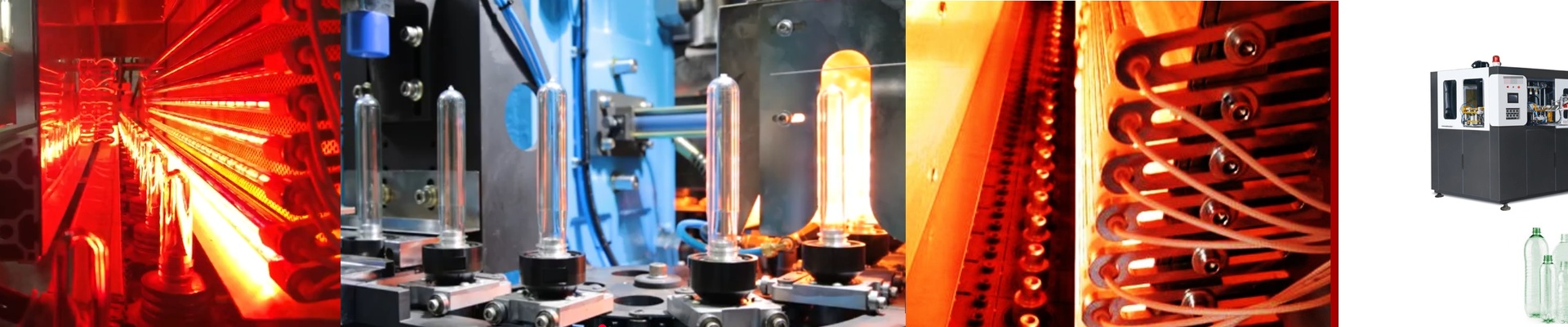
Why You Need Low Thermal Inertia Bulbs for Precision Baking
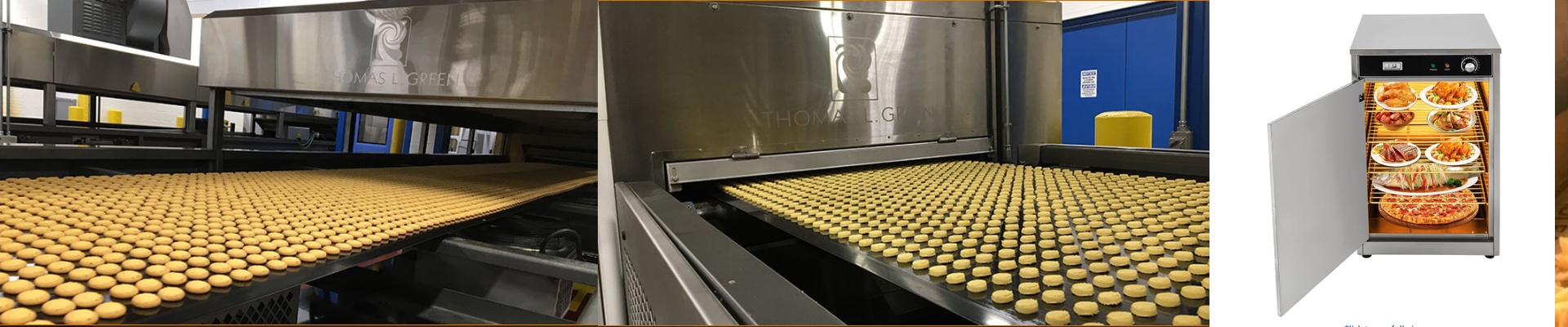
In the world of industrial baking and frying, a few seconds can be the difference between a gold-brown masterpiece and a burnt mess. The problem is that standard heating elements are just too “stubborn.” They hold onto heat long after you’ve flipped the switch off. It’s like trying to stop a freight train—it takes forever to actually come to a halt. That’s where infrared (IR) bulbs come in. They just react faster. Think of it this way: IR lamps don’t bother storing heat; they just beam it straight at the product. While a thick heating coil has to soak up energy before it does anything, a quartz IR tube hits its target temperature almost instantly. When your controller tells the power to stop, the heat stops. Right then. This means you don’t get that annoying “temperature overshoot” where the heat keeps climbing even after you’ve hit your limit. You get a steady, flat line instead of a rollercoaster. The tricky part: Balancing the build We use high-purity quartz because it lets the IR energy pass through without getting stuck. The filaments are designed to pack a massive punch in a tiny space. But here’s the thing—you can’t just crank the wattage and call it a day. If you put too much power into a bulb that’s too short, you’re putting a ton of stress on the quartz. If your airflow isn’t exactly right, those bulbs will burn out way faster than they should. And please, don’t overlook the reflectors. If they aren’t polished to a mirror finish, you’re basically paying to heat up the frame of your machine instead of your food. You could be wasting 30% of your energy just because of a dull mirror. Getting it running on your floor We’ve made these as simple “drop-in” replacements for older systems. The connectors are standard, so you aren’t spending all day fighting with the wiring. One word of caution, though: these things getintense. Make sure your housing can handle the ambient heat. And for the love of your hardware, don’t skimp on the cooling fans for your electronics. If your sensors aren’t shielded, that radiant heat will fry them in no time.