Stop Fighting Your Oven: Why “Thermal Inertia” is Killing Your Crust
In a professional bakery, the difference between a golden-brown crust and a burnt mess is usually just a few seconds. The problem? Most heating elements are just too heavy. They hold onto heat long after you’ve told them to stop. If you’ve ever dealt with a PID controller that keeps pushing the temperature past the limit even after the power is cut, you’ve felt this. It’s called “overshoot,” and it’s a nightmare when you’re trying to be precise.
Heating that actually listens to you
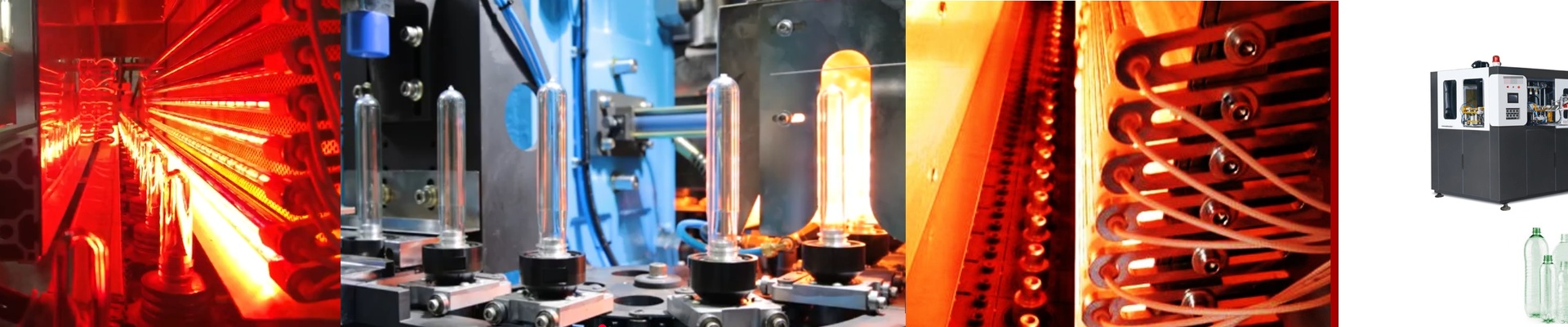
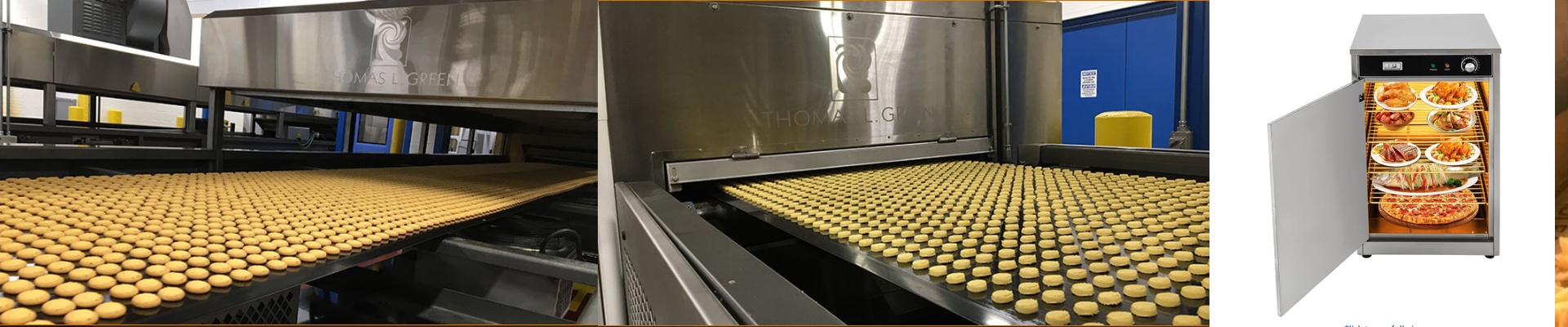
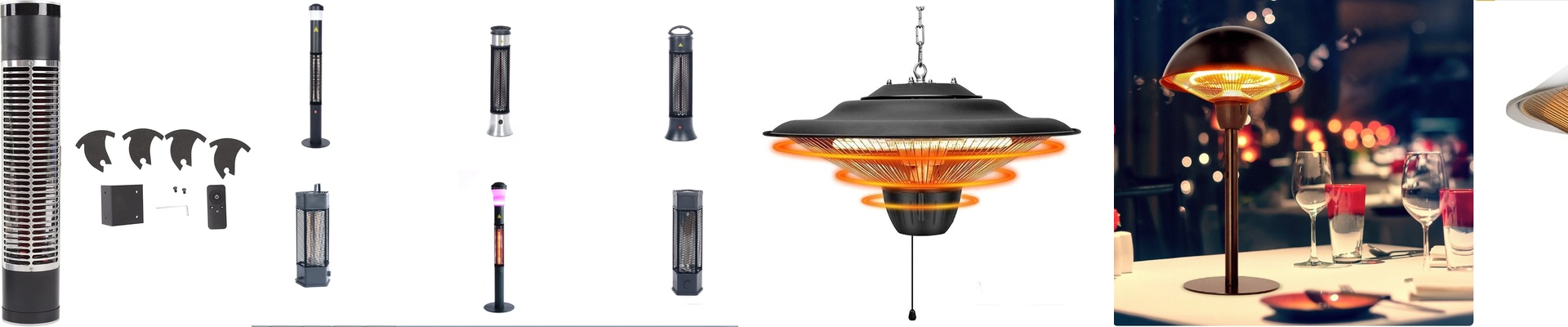
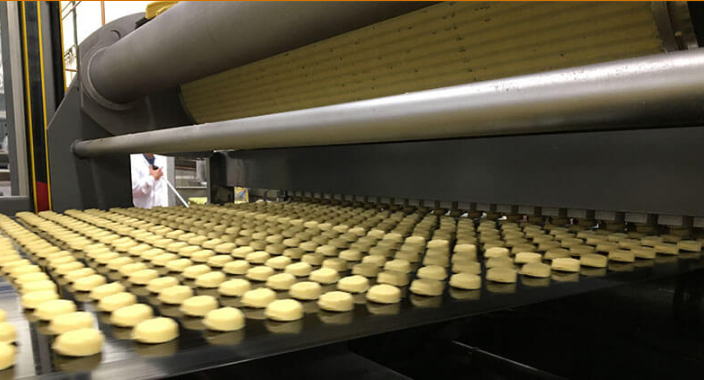
We handle this by using Nichrome wire tucked inside high-purity ceramic. Think of it this way: traditional cast-iron or heavy tubular heaters act like big heat sponges. They soak up energy and slowly leak it out. Our infrared ceramic elements don’t do that. They don’t store the heat; they just pass it straight through. When you kill the power, the heat drops almost instantly. It’s snappy. This means you can follow a temperature profile without that annoying “yo-yo” effect where the heat keeps swinging up and down. If you’re running a high-speed conveyor, this is the only way to keep things steady when a fresh load of cold dough hits the belt.
The grit under the hood
We use Nichrome (Nickel-Chromium) for the coils because it doesn’t flake apart or oxidize when things get screaming hot. The ceramic housing does the heavy lifting, acting as both the insulator and the emitter. Because these elements are so compact, you can pack a ton of heat into a tiny space. You can put them closer to your product or create very specific heat zones. **But here is the catch.**Since these elements cycle on and off so quickly, they can beat your contactors to death. If you don’t use switching gear that’s built for constant clicking, you’re going to be replacing your relays a lot sooner than you’d like.
Getting it right in the real world
Setting this up in a bakery takes a bit of a light touch. Since the heaters react so fast, your thermocouples need to be in exactly the right spot. If your probe is sitting too far away, it’ll be reading “old” air while the heater is already doing its thing. You’ll end up fighting your own equipment. And just a heads-up: you’re trading away that “thermal flywheel” feeling of an old-school oven. There’s no residual warmth to save you. If the power goes out, the temperature crashes immediately. It’s a trade-off, sure. But for anyone who cares about total control, it’s a trade-off worth making.