Stop Replacing Your Bakery Oven Lamps Every Few Weeks
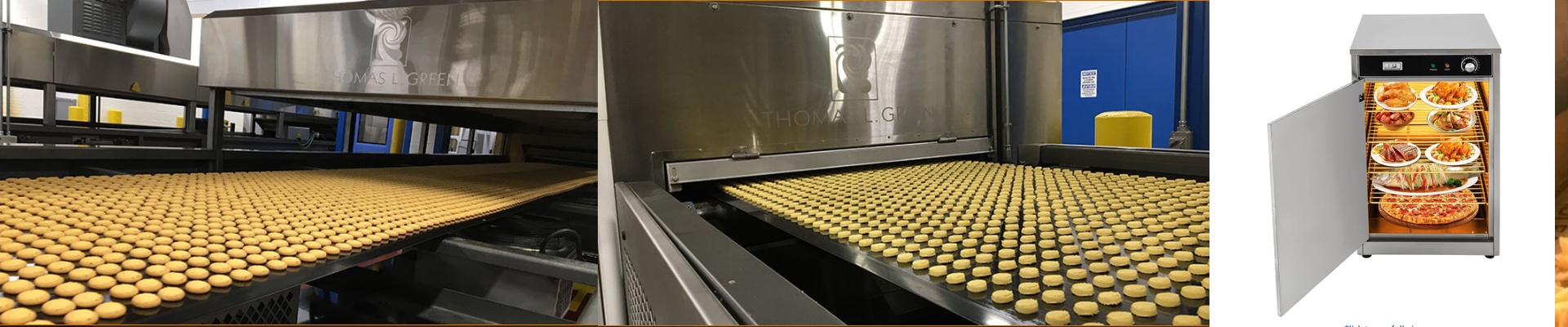
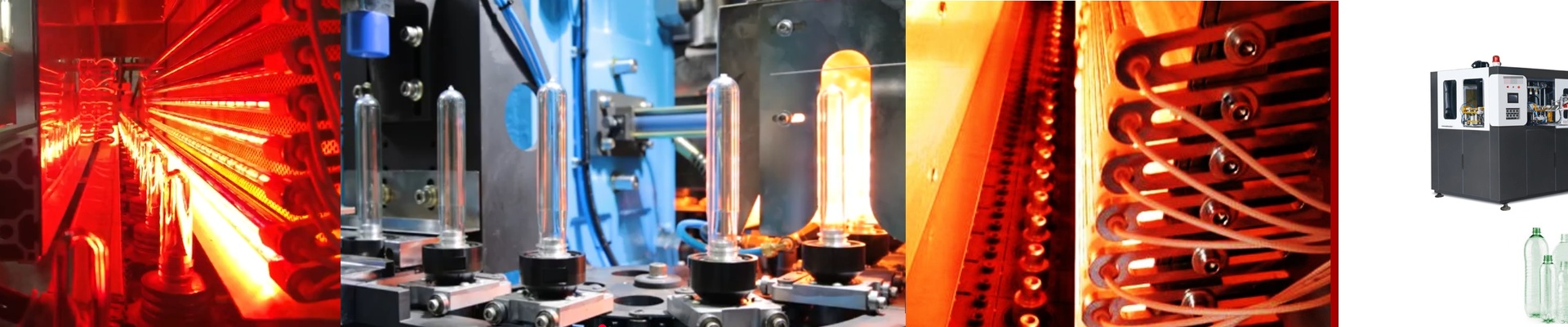
If you’re running a commercial bakery, you know the drill. Your ovens are cranking for 10 hours a day, and it is a brutal environment. Most IR lamps just can’t handle that kind of abuse. They burn out, you lose production time, and you’re left swearing at a dead heating element. We’re over that. We use quartz-halogen tech because it actually lasts. We’re talking about the kind of lifespan you usually only see from those overpriced global brands. The battle against heat Here’s the thing: when a lamp runs for 10 hours straight, the filament takes a beating. It’s under massive thermal stress. To fix this, we use high-purity quartz glass and a specific halogen gas fill. Instead of letting the tungsten filament just evaporate and disappear, the gas pushes it back onto the wire. It keeps the resistance steady. It just works. But a word of caution. If you pick a lamp with the wrong wattage for your oven, you’re asking for trouble. Trying to “force” a lamp to hit high temperatures faster by over-driving it is a great way to kill it early. You’ve got to find that sweet spot between your wattage and your PID controller’s cycling. Otherwise, the thermal shock will snap it. It’s all in the details We designed these to be drop-in replacements. No hacking, no fuss. The quartz envelopes are built to handle the “hot-cold-hot” cycle without cracking. We also reinforced the end-caps. Why? Because in a high-heat environment, electrical connections love to oxidize. We stopped that from happening. And let’s talk about the seal. Most cheap lamps fail right where the wires meet the quartz. We use a specialized pinch-seal technique. It keeps the air out and the halogen gas in. Simple, but it’s the difference between a lamp that lasts and one that pops. The reality check Now, look. High-quality domestic tubes can definitely hold their own against the big brand names, but they aren’t magic. Your wiring matters. If your sockets are loose or covered in corrosion, you’ll get arcing. That creates tiny, intense hot spots that will fry a lamp regardless of who made it. Keep your connections tight. Keep your ventilation clear. Give the tubes some room to breathe so they don’t overheat their own housings, and they’ll take care of you.