
How to Actually Get Even Heat in a Rotary Oven
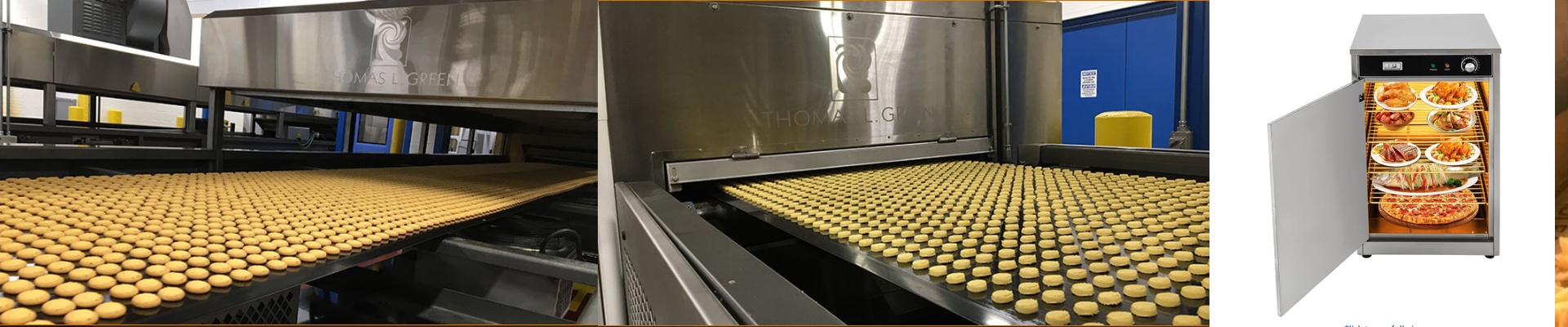
If you’ve ever pulled a tray out of a rotary oven only to find some spots perfectly browned and others looking pale and raw, you know the frustration. It’s basically a geometry puzzle. When your food is spinning, any little cold spot in your heating setup becomes a problem. We deal with this by using circular ceramic infrared heaters that practically wrap around the food.
Why we go with circular IR arrays
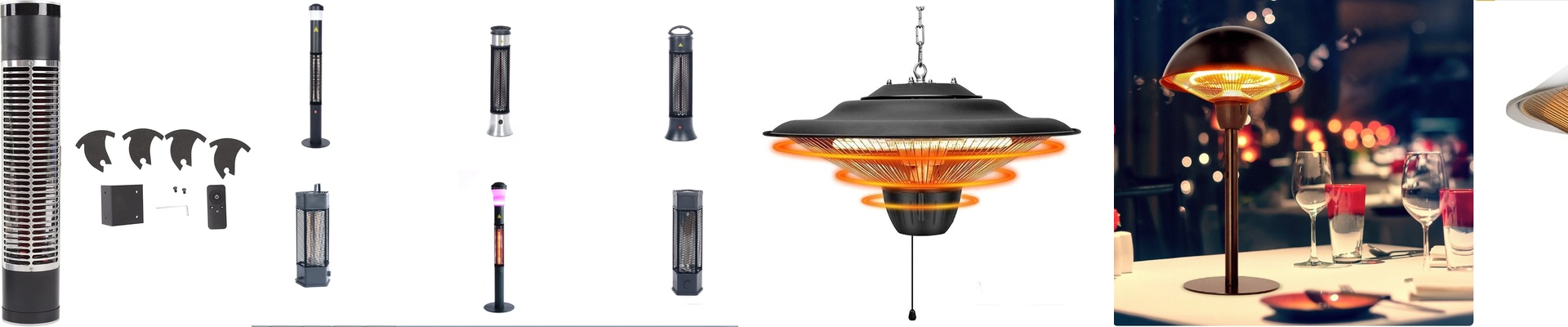
Most standard heaters are linear, which creates “heat gradients”—basically, some spots are hotter than others. That doesn’t work here. Instead, we use circular ceramic heaters that put out short-wave infrared radiation. Here is the secret: they don’t just warm up the air. They shoot energy directly into the surface of the food. By stacking these in a ring or a cylinder, the product stays in a constant stream of heat, no matter where it is in the rotation. It just works.
The deal with ceramic materials
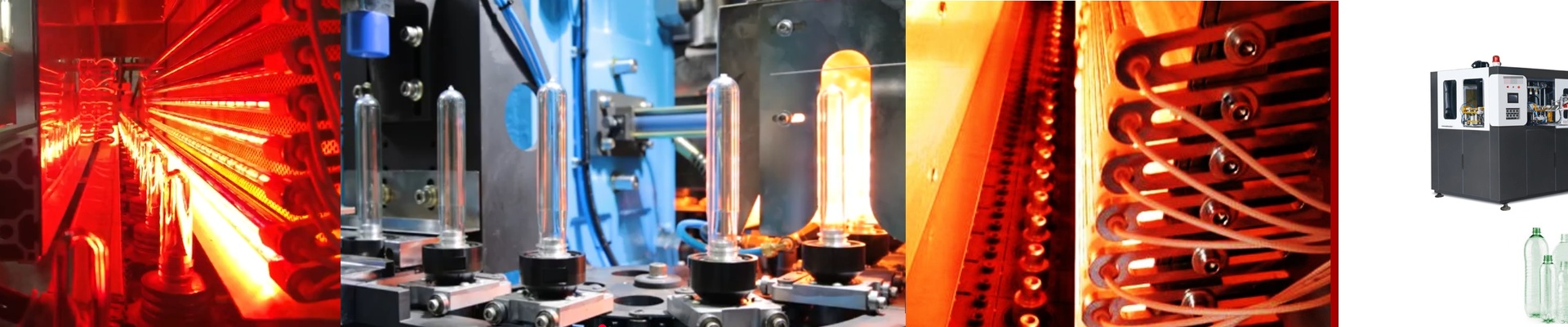
We use high-purity alumina ceramic for the coils. Why? Because industrial kitchens are brutal. Quartz is okay, but ceramic can handle the shock of rapid temperature swings. Think about when you swing that oven door open and a blast of cold air hits a red-hot element. Ceramic doesn’t freak out or burn out nearly as fast. You get a ton of power in a very small space. It means your oven hits the target temp fast.**But a word of warning:**because the heat is so concentrated, your insulation has to be spot on. If your outer cladding is sloppy, you’ll end up leaking heat right into the chassis.
Setting it up and keeping it running
We designed these to be “drop-in” replacements. No one wants to spend hours fixing a heater during a rush. We also use heavy-duty terminals so the wiring doesn’t shake loose from the constant vibration of the rotary motor. One quick tip when you’re wiring it up: keep your lead wires out of the direct line of sight of the IR emitters. If they’re staring right at the heat, the insulation will melt. Not a good look. Just remember that while ceramic is tough against heat, it’s a bit brittle. If you hit it hard, it’ll crack. Make sure your rotary rack has plenty of breathing room so your trays don’t accidentally bump the elements while you’re loading them.