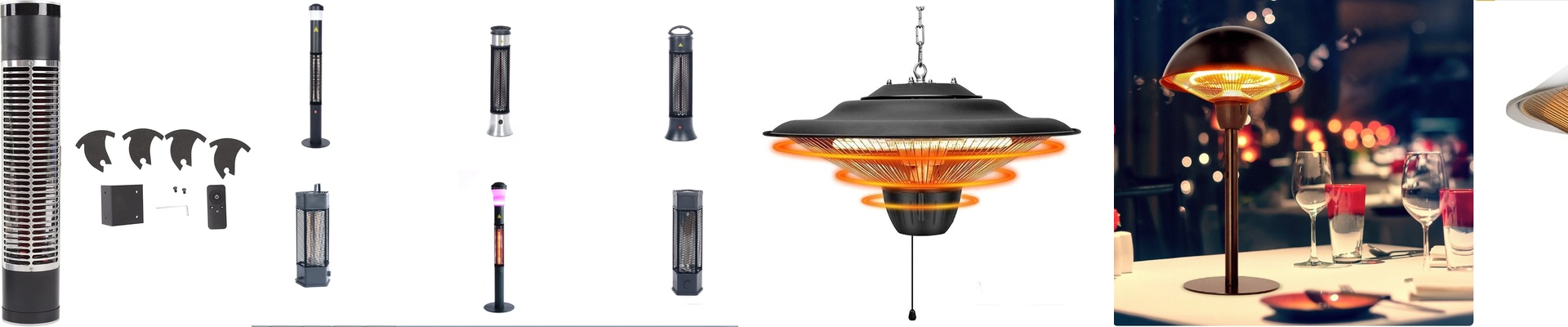
Why we put our bathroom heaters through “the torture test”
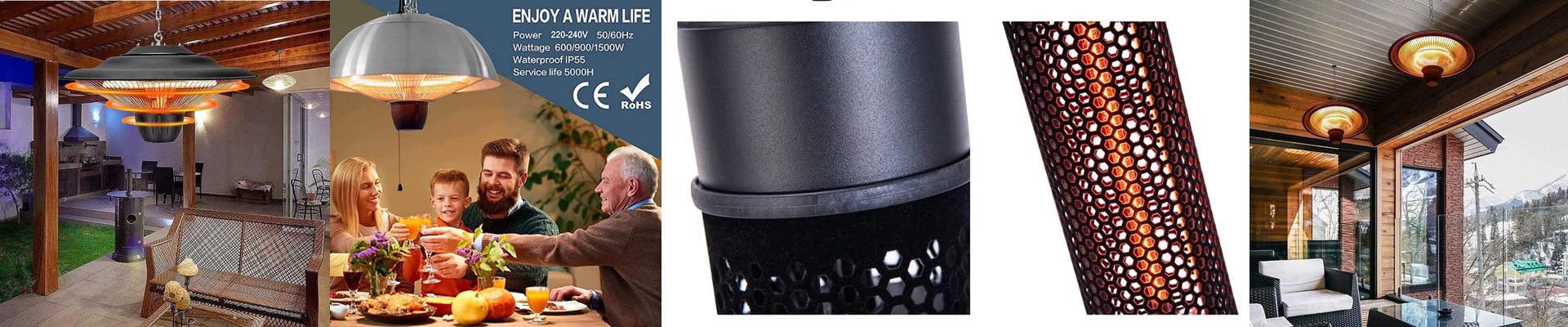
Let’s be honest: bathrooms are a nightmare for electronics. You’ve got thick steam, random water splashes, and the temperature jumping from freezing to sauna-hot in a matter of minutes. We build our infrared heaters to IP55 standards, which is a fancy way of saying they can handle dust and water jets. But here’s the thing—a rating on a spec sheet doesn’t actually tell you if a heater will still be working two years from now.
The hidden problem with steam
Even with a solid housing, seals eventually give out. It’s just physics. The heater gets hot, the metal expands, then it cools down and shrinks. Do that a few hundred times and you get these tiny, microscopic gaps. In a steamy bathroom, water vapor finds those gaps. It sneaks inside and settles right on the electrical contacts. That’s when things go south. You get oxidation, or worse, a short circuit that trips your breaker right when you’re stepping out of the shower. Not exactly the vibe you’re going for.
Why we use “Damp-Heat” aging
We don’t just test one or two units and call it a day. We put our heaters through a brutal aging process. We basically create a simulated tropical rainforest—extreme humidity and high heat for days on end—to force any weakness to show itself. We’re looking for the “breaking point.” If the insulation fails or the gaskets shrink and crack under this pressure, the unit is trash. It’s a bit overkill, sure. But it’s the only way to make sure the seals don’t just “work for now,” but actually last.
The balancing act
Now, you might think, “Why not just seal the whole thing airtight?” Well, if we did that, the internal electronics would basically bake themselves alive. You can’t trap that much heat inside a sealed box. So, we spend a lot of time finding the sweet spot. We need enough sealing to keep the steam out, but enough strategic venting so the unit can breathe. That’s why those aging tests are so important. They tell us if we’ve hit that balance. You get a heater that ignores the steam but stays cool enough to keep running safely.