Keeping Your 300W Lamps Alive in a Steam Oven
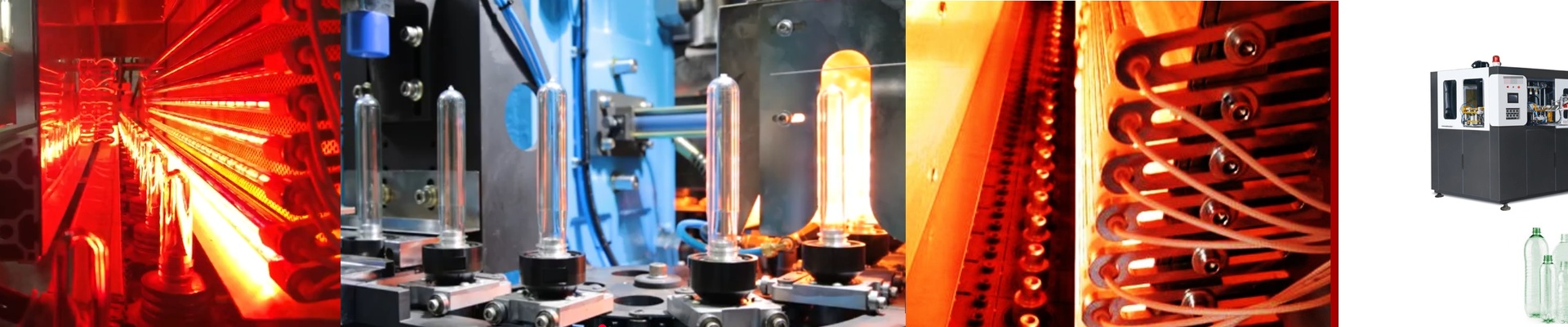
Let’s be honest: putting a 300W infrared lamp inside a steam convection oven is a bit like putting a campfire in a rainforest. You’ve got high humidity and air blowing everywhere. If you aren’t careful, those lamps will burn out way faster than they should. The secret to making them last comes down to two things: the seal and the glass. Getting the heat right We went with a 300W rating because it hits that sweet spot. It’s enough to get the surface of your product hot quickly, but it doesn’t fight with the convection air. We also spent a lot of time on the filament winding. Why? Because “hot spots” are the enemy. If one part of the tube gets way hotter than the rest, the quartz warps or the filament just snaps. We made sure the heat spreads evenly so the lamp doesn’t stress itself to death. Fighting the moisture Steam and electronics don’t mix. Period. To handle the shock of the oven cycling on and off, we use high-purity quartz glass. But the real magic is in the end caps. We used specialized seals to lock the filament chamber tight. Here’s the thing: if even a tiny bit of steam leaks inside, that tungsten filament oxidizes instantly.**Pop.**Your lamp is dead. We didn’t stop at the glass, either. The connectors are built for the heat, so they won’t melt or get brittle when the oven is cranking at full blast. A few tips for the install These are designed to be simple drop-in replacements, so you can get them wired up and running in no time. But a word of caution on your PID controllers. Infrared heat is direct and fast—much faster than the old-school elements you might be used to. If your controller overshoots the target temperature, you’re going to scorch your product. Keep a close eye on those settings. One last thing: check your ventilation. Even though the 300W output is steady, if the air can’t move around the lamp housing, the heat just soaks in. That’ll eat away at the life of the quartz envelope. Keep it breathing, and your lamps will last much longer.