Getting Cabinets Sterile, Fast
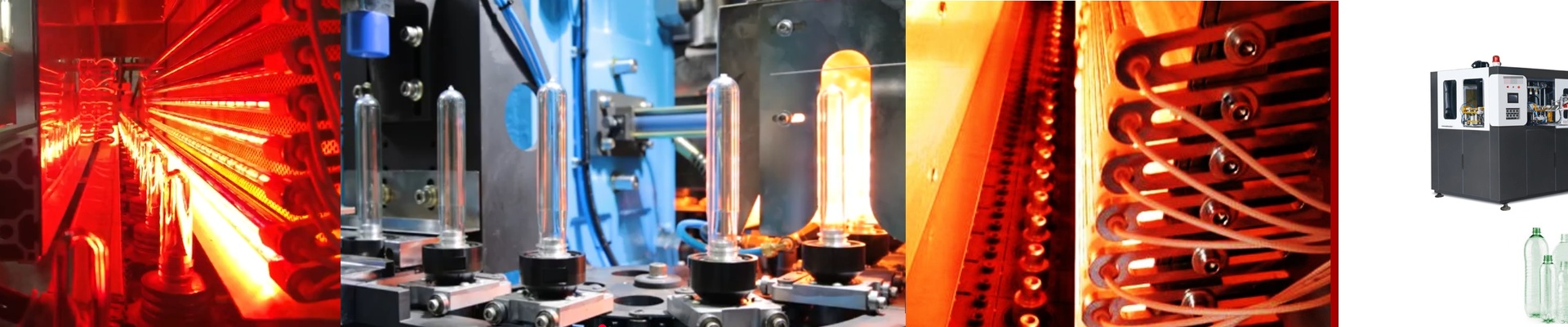
When you’re sterilizing a cabinet, you can’t afford to wait around. You need a massive spike in heat, and you need it now to actually kill off pathogens. The problem? Standard resistive heaters are sluggish. They take forever to warm up. That’s why we use short-wave infrared (IR) quartz lamps. They give you that “second-level response” where the heat hits almost instantly.
How the heat actually works
Think of it this way: these lamps don’t waste time trying to heat up all the air in the box. Instead, the IR waves shoot straight out and hit the surfaces of your gear immediately. We push these lamps with high wattage density so the temperature climbs fast enough to hit those strict sterilization marks. Because of the quartz envelope, the filament hits its peak temperature in a blink. It’s fast. Really fast.
The nitty-gritty of the hardware
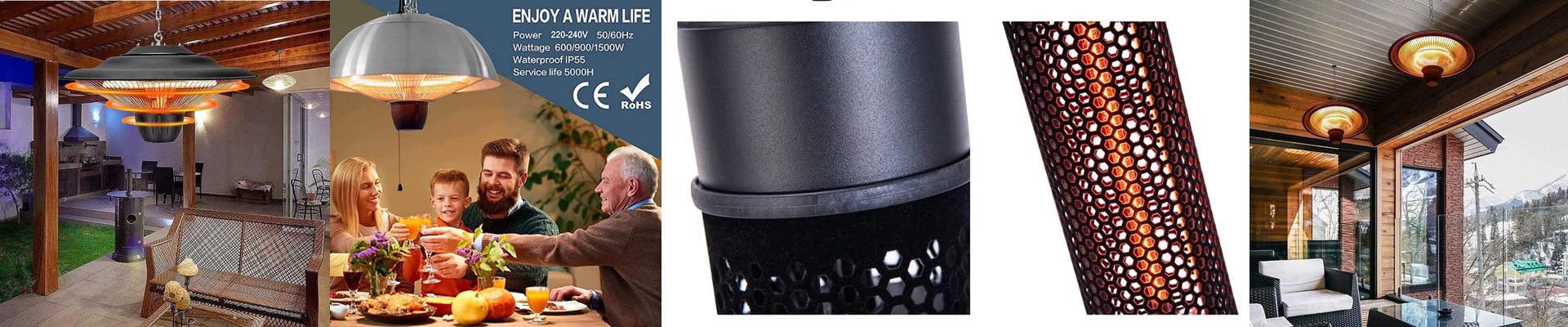
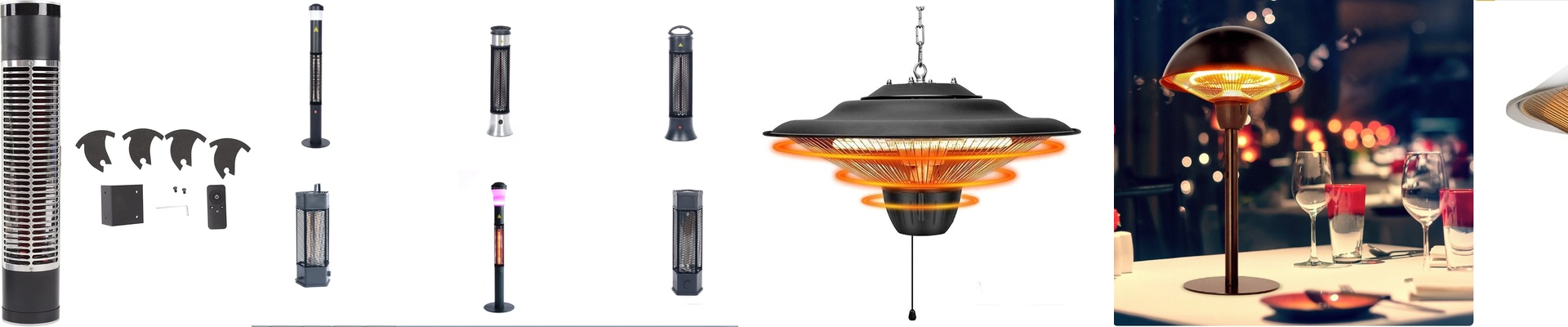
We’ve designed these to be easy drop-in replacements for your portable ovens or sterilization units. We use quartz glass because it can handle the heat without melting and lets the IR radiation pass right through. One thing to watch: the connectors. We use R7s or SK15 to make sure the electrical fit is tight. If your connections are loose at these power levels, you’ll get arcing, and your lamps will burn out way sooner than they should. Also, if you’re running a high-cycle system, keep thermal shock in mind. Jumping from cold to 1000°C puts a lot of stress on the filament. If your controller can do it, try a stepped power-up sequence. It’ll save your lamps from an early grave.
A few things to keep in mind
These lamps pack a punch, but that heat is concentrated. You’ve got to make sure your cabinet lining can take the beating without warping. If the lamp is sitting too close to any plastic parts, you’ll start seeing things melt before the cycle is even done. It’s all about finding that sweet spot between where the lamp sits and the temperature you need on the surface.