Getting Your Oven Temp Exactly Right (Without the Headache)
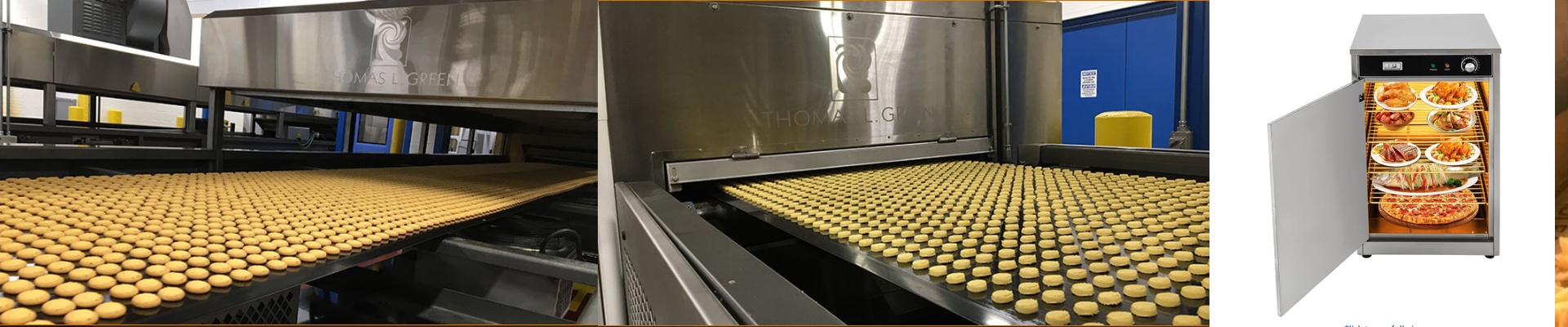
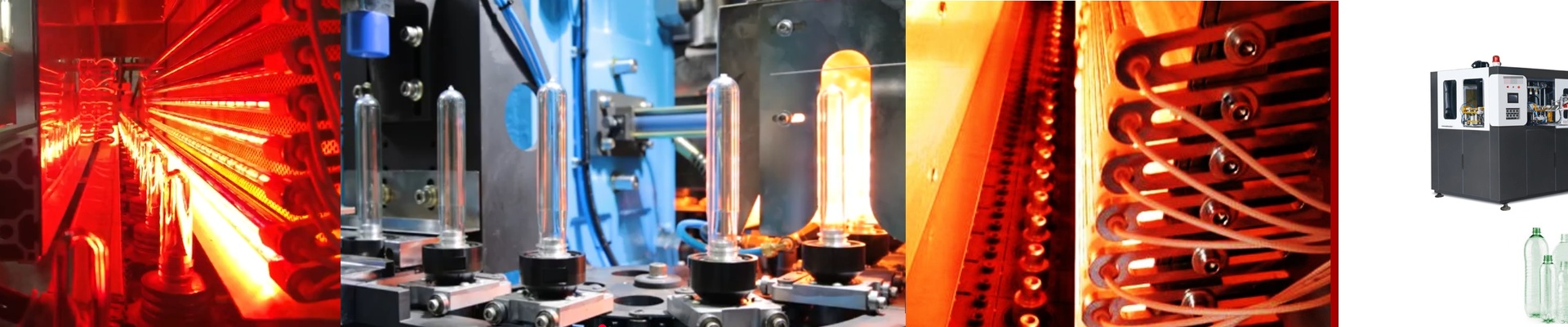
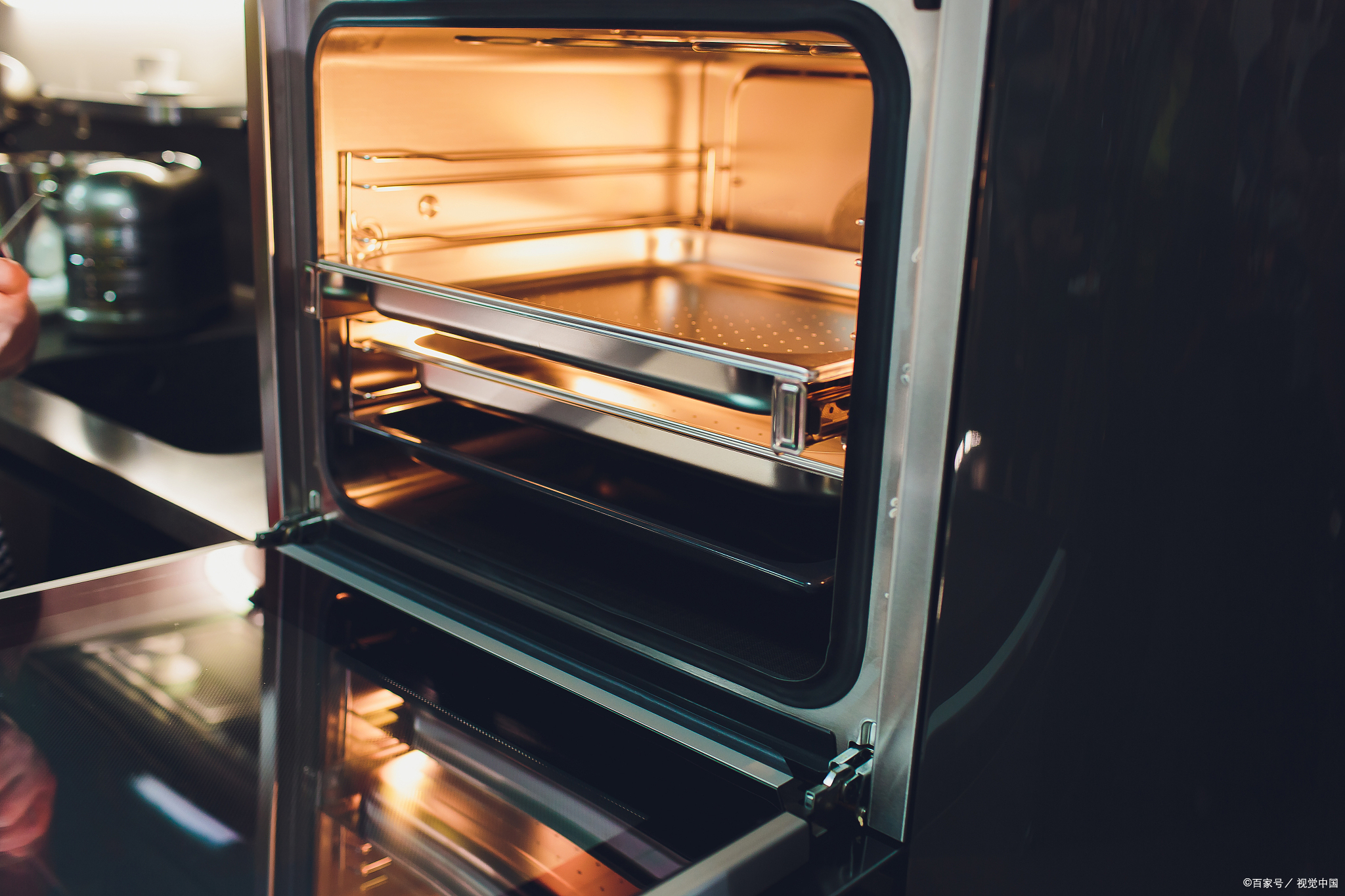
Most smart kitchens are ditching those old-school thermostats. They’re moving toward AI-driven systems that actually “think” about the temperature. In a deck oven, the heating element does all the heavy lifting. We’ve swapped out the traditional heating coils for high-precision infrared (IR) lamps. Why? Because IR reacts instantly. When the system tells the oven to adjust, it happens right now, not three minutes from now.
The Secret to That Perfect Crust
To get those tight temperature windows, we obsess over the wattage-to-length ratio. It sounds technical, but here is what it actually means for you: when you fling open the oven door and a cloud of heat escapes, the oven bounces back almost immediately. No more waiting around for the stone to heat up again. We also pay close attention to the quartz tubes. We use shortwave IR to get the heat deep into the dough fast, and medium-wave IR to get that golden-brown crust without accidentally burning the inside.
Built to Fit Your Setup
We use high-purity quartz so the glass doesn’t get cloudy over time. Plus, we know every kitchen is different. Whether you need a specific length or a certain connector, we can build it. If you’re just replacing an old lamp, we make sure the pins match your existing wiring. It’s a simple drop-in. No rewiring your entire kitchen just to get a new heater. We also add special coatings to the glass. This helps target the heat exactly where the food is, which kills those annoying “hot spots” you find in the cheap lamps.
A Few Things to Watch Out For
Precision is great, but it can be intense. These high-wattage lamps put out a lot of localized heat. If your oven isn’t vented well, you might end up frying your control board or melting the wire insulation. It’s a mess you don’t want. Just make sure your voltage and wattage match your power supply exactly. If you go too high without upgrading your circuitry, you’ll be tripping breakers all day. Also, double-check your sensors. They need to read the actual surface of the food, not just the air around it, or you’ll end up overshooting your target temp.