Stop Letting Your Oven Slow Down Your Production
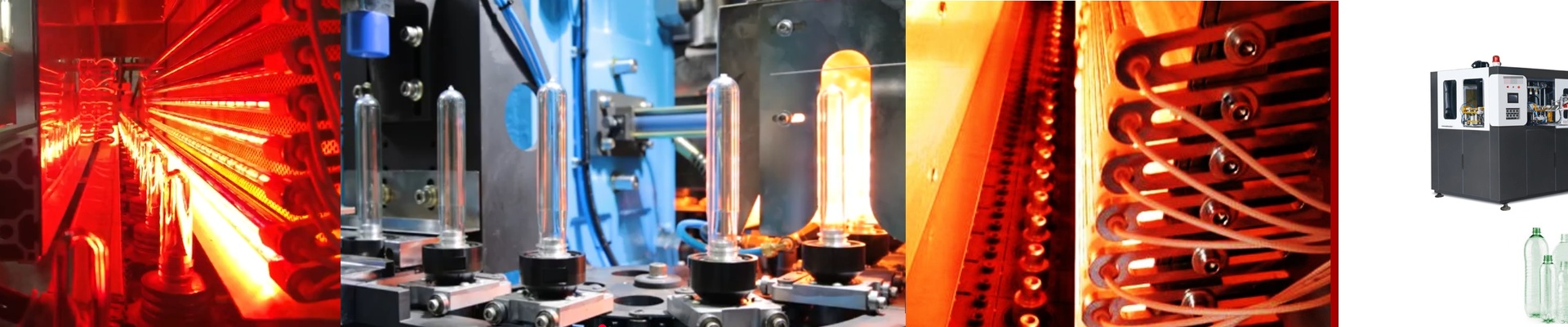
If you’re running a rotary baking line, you already know the headache. You want to crank up those cycles per minute, but you hit a wall at the heating stage. Standard convection ovens are just… slow. They rely on moving air, and air takes its sweet time. We do things differently. We use 220V shortwave infrared (IR) bulbs to skip the air entirely and dump heat directly into the product. The secret is in the wavelength. Inside these bulbs, a tungsten filament sits inside high-purity quartz. When the power hits, it creates shortwave radiation that digs deeper into the dough or crust than the usual medium-wave stuff. You get an immediate spike in heat. Because the energy hits so fast, you can actually speed up your conveyor belt without worrying about a raw, doughy center. If you go with a higher wattage bulb in the same space, you’re packing in more heat density. That means your product hits the target temperature faster, and it spends less time sitting in the oven. Getting them set up We use quartz because it can handle the thermal shock of turning on and off rapidly without cracking. Since they’re rated for 220V, they plug right into most industrial power grids. No messy transformers, no complicated wiring. It’s a straightforward swap. But a word of warning: these things gethot. If your reflectors aren’t polished and lined up perfectly, you’re just wasting 30% of your power heating up the oven’s metal frame instead of your bread. It’s a waste of money. Faster lines, but watch the crust Once you switch to IR, you can really tighten up your production beat. You can either shorten your oven or just crank up the belt speed. Just be careful. High-intensity shortwave lamps are powerful. If the bulb is too close to the product, you’ll scorch the surface before the middle is even warm. You’ll want to spend some time calibrating your height sensors. Get that distance just right, and you’ll have a perfect crust and a fully baked core every single time.