Keeping Your Deck Ovens Steady (Even When the Room Isn’t)
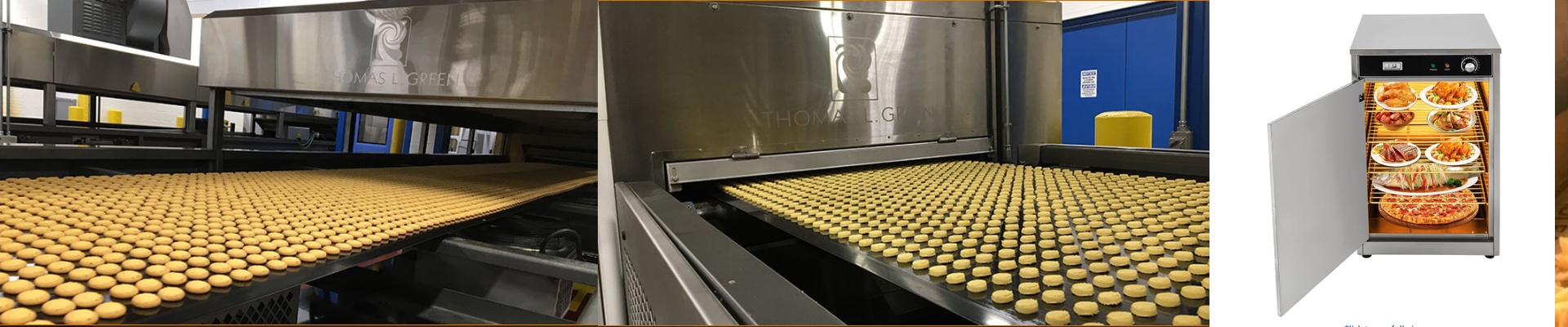
If your factory floor is prone to temperature swings, you know the struggle. One minute it’s fine, the next a cold draft hits or you slide in a tray of frozen product, and your deck temperature just tanks. You can’t just set a dial and pray that it stays there. That’s where real-time compensation comes in. It’s basically the oven’s way of fighting back against the cold so your bake doesn’t get ruined. Why quartz lamps? Standard heating elements are too slow. They take forever to warm up and even longer to cool down. Quartz lamps are different. They hit full power almost instantly. We hook these lamps up to PID controllers and fast-acting thermocouples. The system is constantly watching the gap between where the temperature is and where it needs to be. The second the air drops, the controller kicks more voltage into the tubes. It happens in milliseconds. No dip, no drama, just a steady bake. The hardware side of things We use a twin-tube setup. Why? Because it makes the heat overlap, which means you don’t end up with those annoying cold spots on your deck. But here’s the catch: these lamps run hot. Really hot. If you go overboard with the wattage but forget about ventilation, you’re asking for trouble. You’ll end up burning out the lamp ends or, worse, melting your wiring insulation. Make sure your cooling fans are actually beefy enough to handle the waste heat. Wiring it up without the headaches Most of these systems use R7s or Sk15 connectors, so swapping a lamp is quick and easy. One big tip: use high-temp silicone wiring. Please. Standard PVC will just get brittle and crack under all that radiant heat. Also, check your SSRs (Solid State Relays). Mount them on a proper heat sink. If an SSR overheats, it can fail “closed.” That means your oven just keeps heating and heating until it runs away, and you’ll end up with a melted product and a very bad day.