Stop Guessing with Your SIPA Rotary Blow Molders
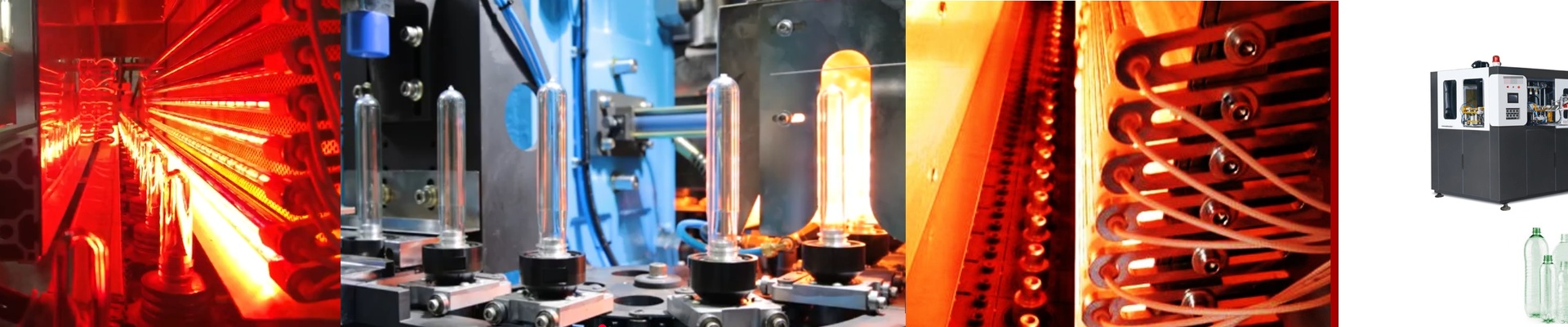
If you’ve ever dealt with wall thickness issues or that annoying pearlescence on your bottles, you know the frustration. You’re running a SIPA rotary machine, and everything should be working, but the heating just isn’t consistent. Most of the time, the culprit is something small: “near-match” IR lamps. Here’s the thing. If your lamp wattage is off by even 5% from the original Krones or SIPA specs, you’re creating cold spots in your oven. It sounds like a tiny difference, but in a high-speed environment, it’s a disaster. That’s why we obsess over 100% power matching. Why the numbers actually matter Wattage isn’t just a number on a box. It’s what controls the heat density across the quartz. Think about a lamp spec’d for 230V/1500W. It has to hit that mark exactly to keep the PET preform at the right temperature. When you slide in a lamp with a different resistance, you mess with the IR wavelength. Then comes the “operator’s struggle.” Your team starts cranking up the oven temp to compensate for the cold spots. Suddenly, you’re burning the neck finish while the base is still under-heated. It’s a losing battle. Built for the grind We use heavy-duty quartz because these things take a beating in high-cycle shops. We also stick to standard R7s or Sk15 connectors. Why? Because nobody wants to spend their afternoon rewiring or hunting for adapters. You just pop them in and go. Plus, we center the tungsten filament precisely. It stops those nasty hotspots on the glass that usually lead to a premature burnout. A quick reality check on your hardware Now, high-wattage shortwave lamps are great for fast cycle times—they pack a punch. But they put a lot of stress on your reflectors. If your reflectors are pitted or oxidized, even the perfect lamp won’t save you. You’ll have the heat, but you won’t have the direction. It’s like having a powerful flashlight with a cracked lens; the light is there, but it’s going everywhere except where you need it. When you get the power specs exactly right, the guesswork disappears. You can stop chasing temperature settings and just start hitting your bottle weights. Every single time.