Getting Your Response Times Right in Rotary PET Blowing
If you’re running Krones Contiform or SACMI machines, you know they don’t exactly move slowly. They’re high-frequency beasts. When there’s even a tiny lag in heat delivery during preheating, things go south fast. You end up with wonky wall thickness or bottles that just look deformed. That’s why we obsess over latency when we build our replacement lamps.
The struggle with heat-up speed
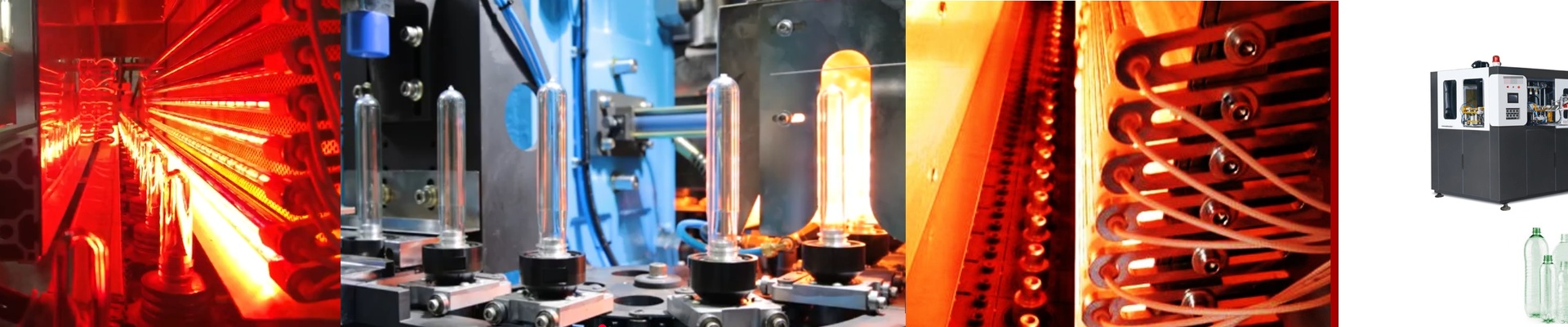
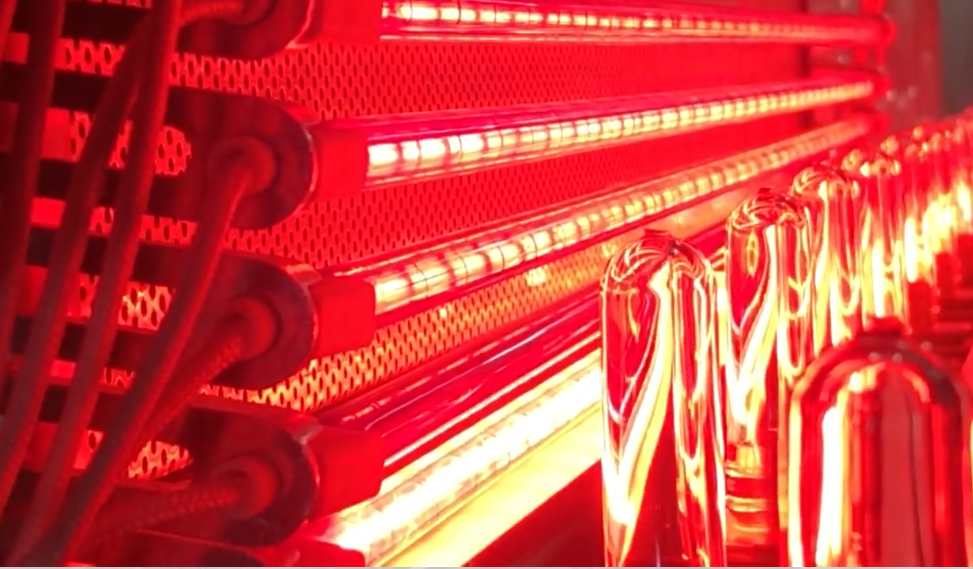
Here is the thing: if a lamp takes too long to get up to temperature, you’re stuck. You either have to slow the whole machine down—which nobody wants—or just watch a pile of preforms go to waste. We fixed this by tweaking the filament’s thermal mass and the quartz envelope’s emissivity. We use a specific tungsten halogen blend that hits peak wattage way faster. It means your PET preform hits that magic glass transition temperature exactly when it reaches the blow station. No guessing. No lagging.
Making it fit without the headache
You don’t want to spend your weekend modifying oven racks. We made these lamps simple drop-in replacements. We matched the OEM footprints exactly, so they just slide in. Whether you’re on a 230V or 400V system, we’ve balanced the wattage to stop that annoying flickering. Now, you might be tempted to just crank the wattage to get more speed, but be careful. If you push it too hard, you’ll burn out the lamp ends. We’ve found a sweet spot with the current density so the lamp stays stable without killing the heat-up curve.
The honest trade-off: Speed vs. Life
Let’s be real here. To keep up with the insane rotation speeds of a SACMI machine, you need high-intensity shortwave radiation. The catch? That puts a lot of thermal stress on the quartz. You’ll get a faster response, but the lamp won’t last as long as a low-output one. It’s a choice. You’re trading a few hundred hours of lamp life for a massive jump in bottles per hour (BPH). For most of us, that’s a trade worth making. One last tip: keep your reflectors polished. A dirty reflector kills the efficiency of even the fastest lamp. It forces the whole system to work harder and run hotter than it needs to. Keep them clean, and let the lamps do their job.