Stop Letting the Room Temperature Ruin Your Bakes
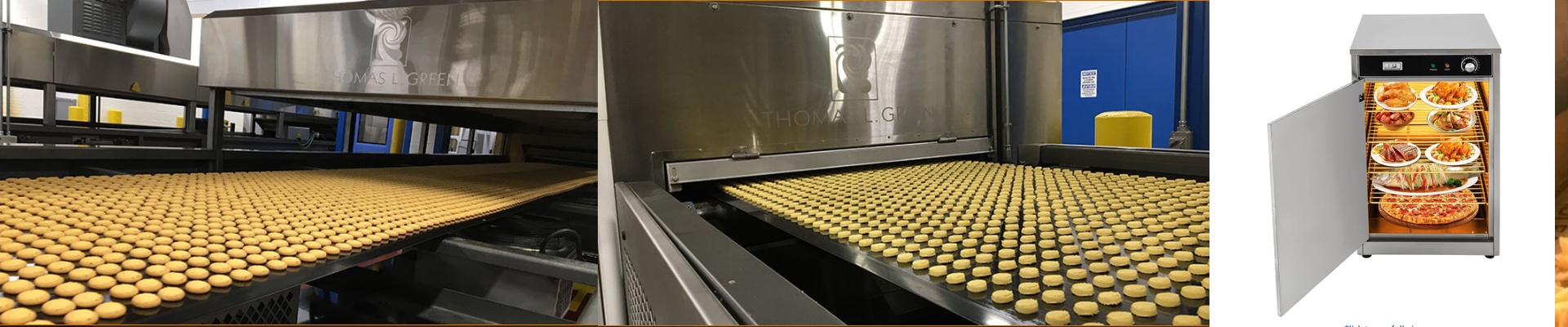
If you’ve ever used a portable bakery oven on a drafty factory floor, you know the struggle. The second the room gets chilly, your oven starts bleeding heat. The elements try to keep up, but they just can’t. You end up with uneven bakes and a lot of frustration. We’ve found a way around this. The trick is swapping out old heaters for high-density infrared (IR) replacements and pairing them with a system that actually thinks ahead. Why IR actually works Most ovens rely on convection—basically just moving hot air around. It’s slow. IR is different. It uses radiation, which means the heat hits your product almost instantly. We use short-wave quartz tubes because they’re fast. Really fast. But the real secret is in how you tune your PID controller. Instead of waiting for the temperature to drop before kicking in, we set it up for “active compensation.” The system watches how fast you’re losing heat and bumps up the wattage before the oven actually cools down. It stays steady. No dips, no surprises. Getting the hardware right We designed these lamps to be drop-in replacements, so you don’t have to rebuild your whole oven. One heads-up, though: don’t just throw the highest wattage you can find in there. If you overdo it in a small space, you’ll end up with hot spots that burn your crust or, worse, melt the oven housing. You also have to be careful with your voltage. If you plug a 220V lamp into a 240V system without checking the specs, you’re going to fry the filament. It might work for a while, but it’ll burn out way sooner than it should. The honest trade-offs Look, this isn’t magic. There’s always a give-and-take. When you push for that lightning-fast response time, you put more stress on the lamps. If the system cycles on and off too aggressively, the quartz glass can suffer from thermal shock. To stop that from happening, we suggest a slow-start ramp-up. It saves the filaments and keeps everything running longer. Also, keep an eye on your airflow. These lamps pack a lot of heat into a small area. If your ventilation isn’t up to the task, the whole chassis will get heat-soaked. Then you’ve got an oven that refuses to cool down even when it’s turned off.