Stop Fighting Your SIPA Oven
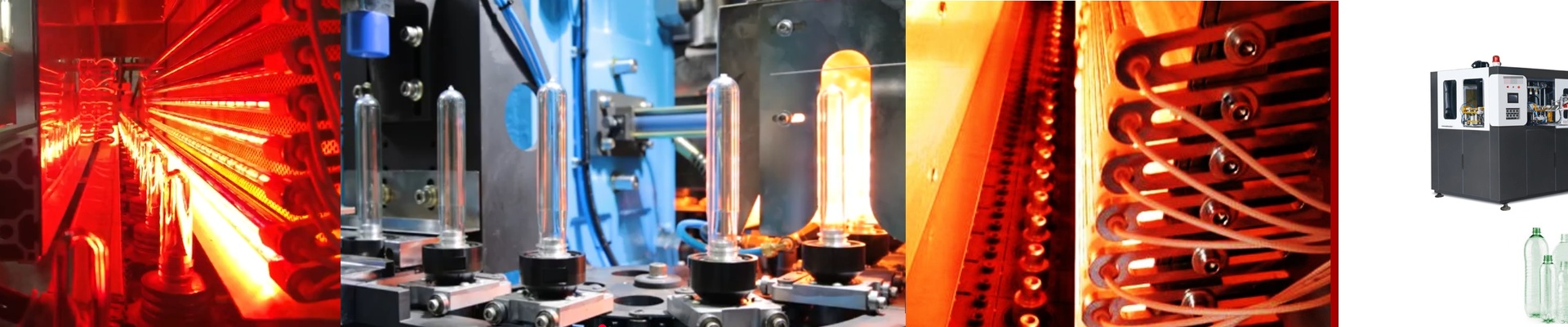
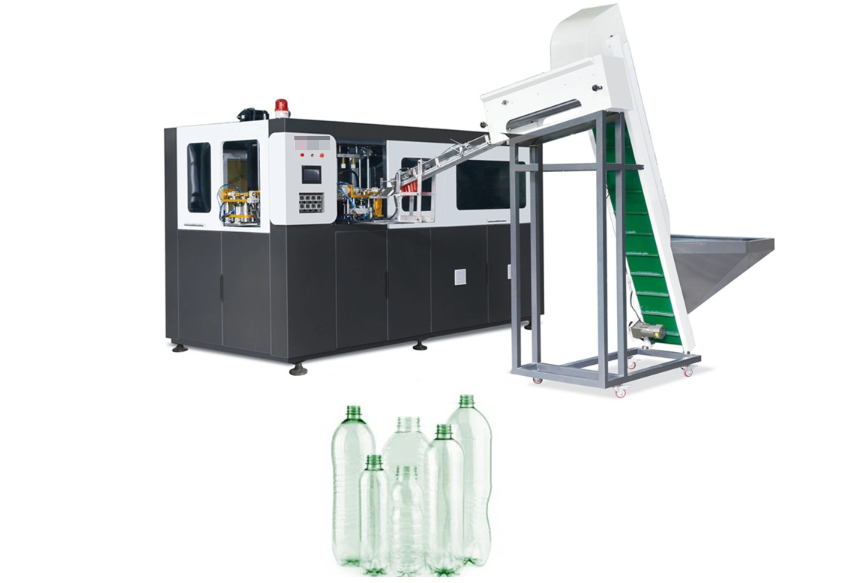
If you’ve ever run a SIPA rotary machine, you know the headache of uneven heating. One minute everything is fine, and the next, you’re staring at bottles with weird wall thicknesses or that annoying pearlescent haze. Most of the time, the culprit is a “close enough” lamp. Here’s the thing: “close enough” doesn’t work with infrared. When shops use lamps that almost match the specs, they’re playing a dangerous game with the physics of the machine. The problem with “near-matches” It all comes down to how the power flows. If the wattage on your replacement lamp is even slightly off, it changes the current draw. If a lamp runs a bit too cool, your first instinct is to crank up the oven temperature to compensate. That sounds like a quick fix, but it actually puts a massive amount of stress on your heating elements. You’re basically forcing the system to work harder than it was built for, which is a fast track to premature burnout. We build our lamps to hit the exact wattage and voltage of the original equipment. It keeps your PID loops stable and stops the guessing game. Plug and play We use high-purity quartz glass and a halogen cycle so the light output doesn’t just drop off after a few weeks. Depending on which generation of machine you’re running, we use standard R7s or SK15 connectors. It’s a simple drop-in. No rewiring, no tinkering, no frustration. Just a concentrated burst of shortwave radiation that hits the PET preform exactly where it needs to. The reality of the shop floor But let’s be honest—the lamp is only half the story. You can have the most perfectly spec’d tube in the world, but if your reflectors are oxidized or your cooling fans are choked with dust, it’s still going to overheat. It’s like trying to breathe through a straw. Keep the oven internals clean. If the heat can’t bounce off the reflectors and hit the preform, it just soaks into the machine frame. That’s wasted energy and a recipe for failure. At the end of the day, consistent IR output means you stop tossing rejects in the bin. You don’t have to spend an hour tuning the oven every time a bulb pops. Just swap the tube, check your voltage, and get back to making bottles.