Why we use quartz tubes for precision heating
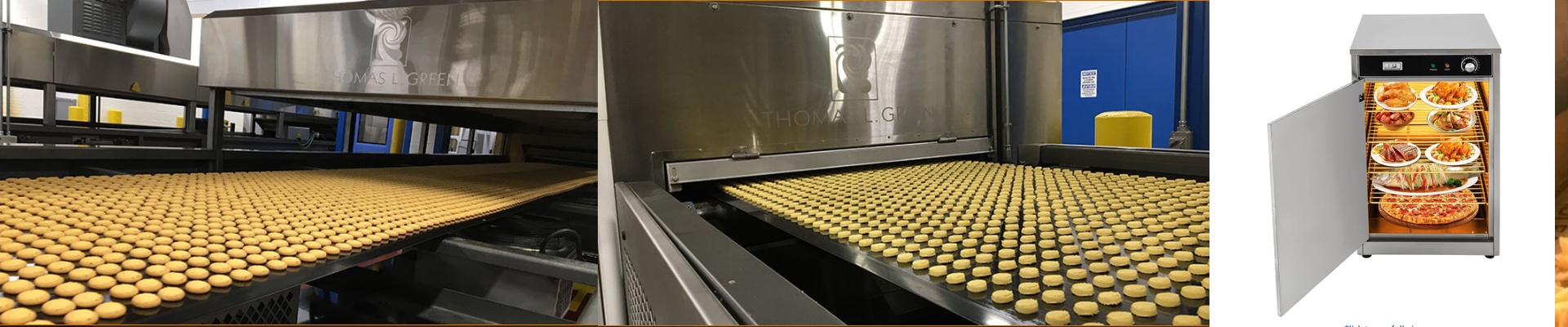
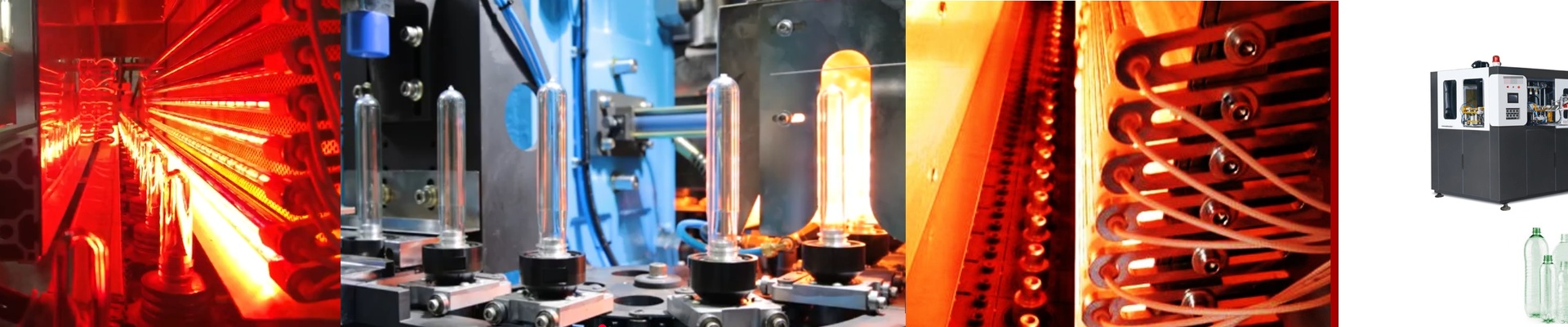
Most heating elements are just too slow. They’re heavy, they hold onto heat for way too long, and they make it a nightmare to hit those tight temperature windows when you’re running a complex bake. That’s why we use high-purity quartz tubes inside our stainless steel convection ovens. Quartz doesn’t have that annoying “thermal lag.” It heats up and cools down almost the second you tell it to. Getting that instant response If you want step-style temperature control, you need a heat source that reacts in seconds. Not minutes. With quartz, we can flip the power on and off rapidly. The moment the controller cuts the juice, the heat drops. This kills the “overshoot” problem you get with those chunky metal coils. You can jump from a high-heat sear to a low-temp hold without sitting around waiting for the oven to bleed off extra energy. It just works. The setup We wrap these tubes in a 304 or 316 stainless steel chassis. The steel does the heavy lifting—it holds everything together and bounces infrared radiation right back toward your product. Since the quartz is transparent, the short-wave radiation goes straight into the food. Meanwhile, the convection fans keep the air moving so you don’t end up with a burnt surface and a raw center. The honest trade-offs Look, nothing is perfect. This kind of speed comes with a catch: quartz is brittle. If the oven vibrates too much, or if someone is a bit too rough during cleaning, those tubes will crack. You also have to be smart about the mounting brackets. You can’t just clamp them tight against the steel frame, or they’ll snap the moment they expand under high heat. They need a little room to breathe. One last tip on the wiring: don’t use a mechanical contactor. This system pulses constantly, and a mechanical switch will just burn itself out. Go with a solid-state relay (SSR) instead. It can handle the high-frequency switching without breaking a sweat.