Stop Fighting Hot Spots in Your Deck Ovens
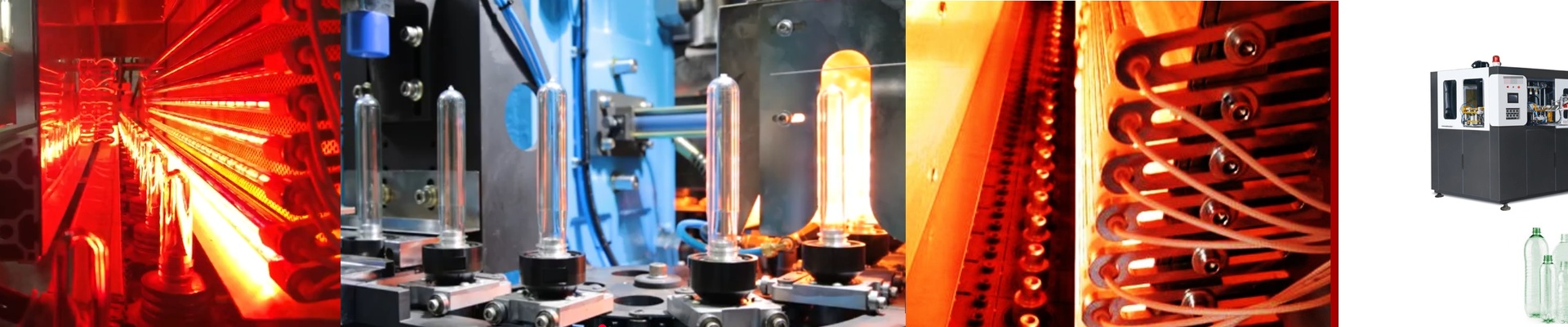
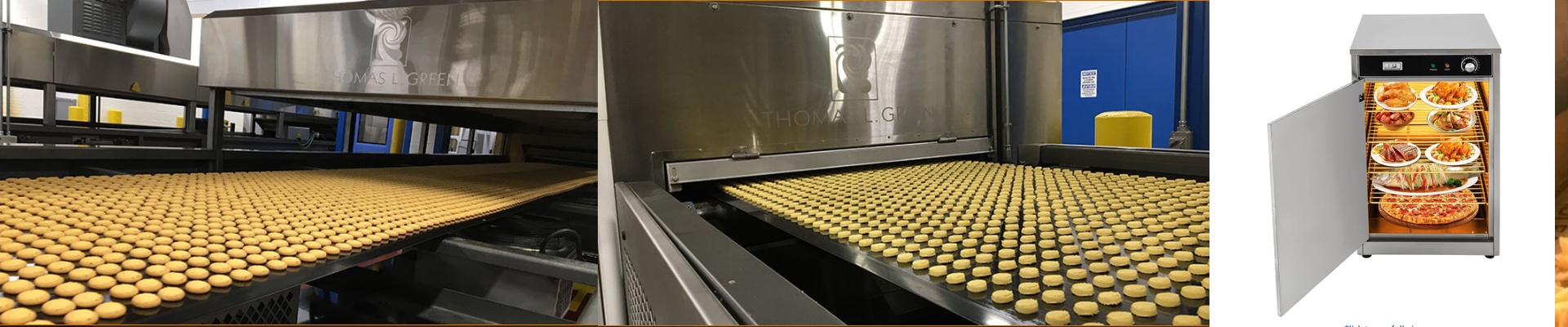
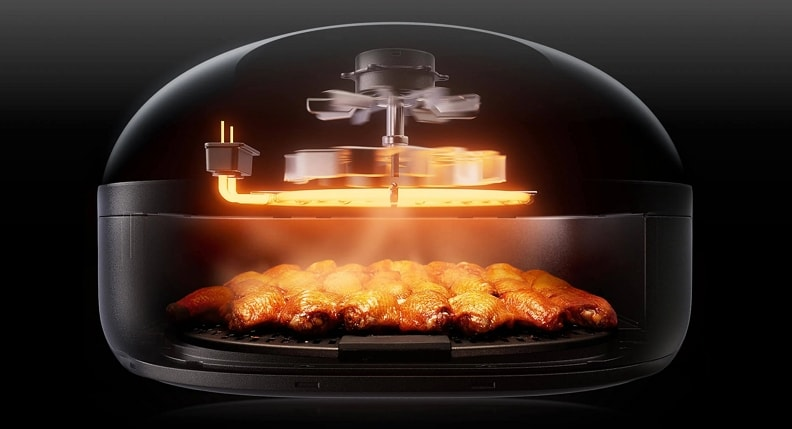
Ever pull a tray out of the oven only to find the edges are burnt to a crisp while the center is still pale? It’s frustrating. You end up tossing a huge chunk of your product in the scrap bin, and your crust quality is all over the place. Most ovens struggle with this because they rely on heating the air. The edges get the brunt of it, and the middle just can’t keep up. We fixed this by switching to quartz tube infrared heaters. Instead of waiting for the air to get hot, we send radiant energy straight into the product. How it actually works Think of it like stepping into the sun on a cold day. You don’t wait for the air around you to warm up; you feel the heat on your skin instantly. That’s what these quartz tubes do. We don’t just throw them in there randomly, either. We map out your deck’s footprint and space the tubes in a grid. We tweak the wattage for every single centimeter to make sure those annoying cold spots in the corners finally disappear. The gear under the hood We use high-purity fused quartz. Why? Because it can handle massive temperature swings without cracking. We also center the heating filament perfectly so you don’t have to worry about arc-over. The best part is the speed. Really fast. If you’ve used heavy cast-iron elements, you know the pain of waiting forever for the oven to ramp up. These tubes hit your target temperature in seconds. It changes the whole rhythm of your morning. A quick heads-up on power Now, there is a catch. Because these heaters are so powerful, they put a lot of stress on your power supply. If you go for maximum wattage to shave time off your bakes, make sure your wiring and contactors can handle the initial surge of power. If you overload the circuit, you’re going to fry your controllers, and nobody wants that. Getting it running You don’t need to rip out your entire kitchen to make this work. These are designed as drop-in replacements. You just wire them into your existing PID controllers and you’re good to go. And when a tube eventually gives out—because everything does eventually—you just swap that one piece out. No need to tear down the whole chassis. You stay up and running, and your throughput stays steady.