Why we switched from heating wires to clear quartz
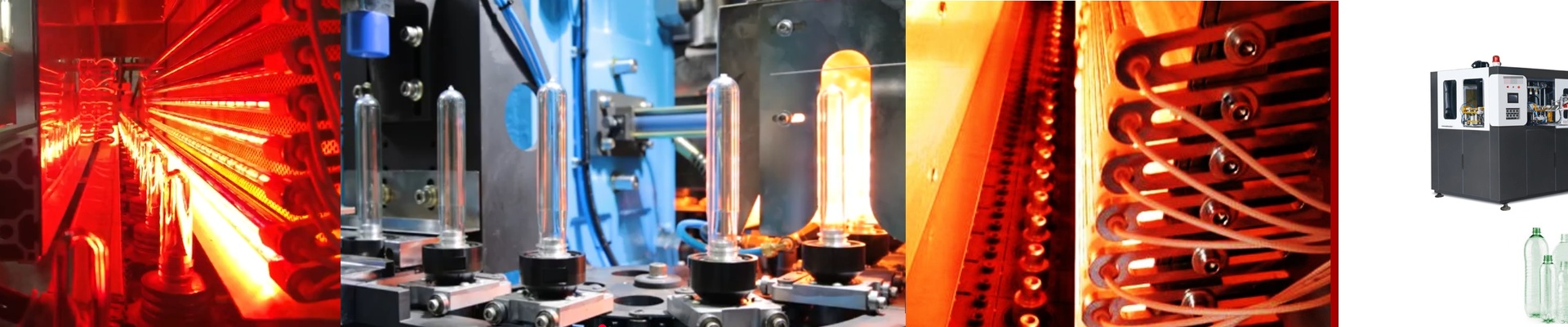
Most bakery ovens work the same way: they use those old-school resistive wires. The wires heat the air, and then the air (hopefully) heats your bread. It’s a slow process. A lot of energy just vanishes into the air, and you’re stuck waiting forever for the oven to actually get up to temp. We do things differently. We use clear quartz infrared tubes. Instead of wasting time heating the air around the food, these tubes send heat straight to the surface of the product. It’s direct. It’s immediate. The magic behind the glass Here is the secret: clear quartz lets high-intensity energy pass right through the glass without getting trapped. Inside that tube, we’ve got a tungsten filament tucked into a vacuum or halogen fill. This means the filament can get way hotter without just burning out. The result? Your ramp-up time disappears. The heat moves at the speed of light, which is about as fast as it gets. Saving money (and a few warnings) Your electric bill will thank you. You aren’t paying to heat a giant metal box; you’re paying to heat the dough. It cuts down that constant “idle” power draw that eats away at your margins. But, there is a catch. This heat is intense and very localized. If your product is sitting too close to the tube, you’ll scorch the top before the middle is even warm. You’ll need to play around with your conveyor speed and the distance between the tube and the food to make sure you don’t end up with hotspots. Getting it set up The good news is that these are basically drop-in replacements. If you have an old heating array, these should fit right in. We can tweak the wattage and voltage to match whatever power grid you’re already running. Plus, quartz is chemically inert, so it won’t react with any of the fumes in your bakery. One big heads-up, though:quartz is fragile. If your team handles these tubes with greasy hands, the oils from their skin create little hot spots on the glass. That’s a recipe for a cracked tube. Tell your crew to wear clean gloves during installation. A little bit of care goes a long way in keeping the glass from snapping under the heat.