Stop Drying Out Your Food: Why We Added IR Heaters to Our Convection Ovens
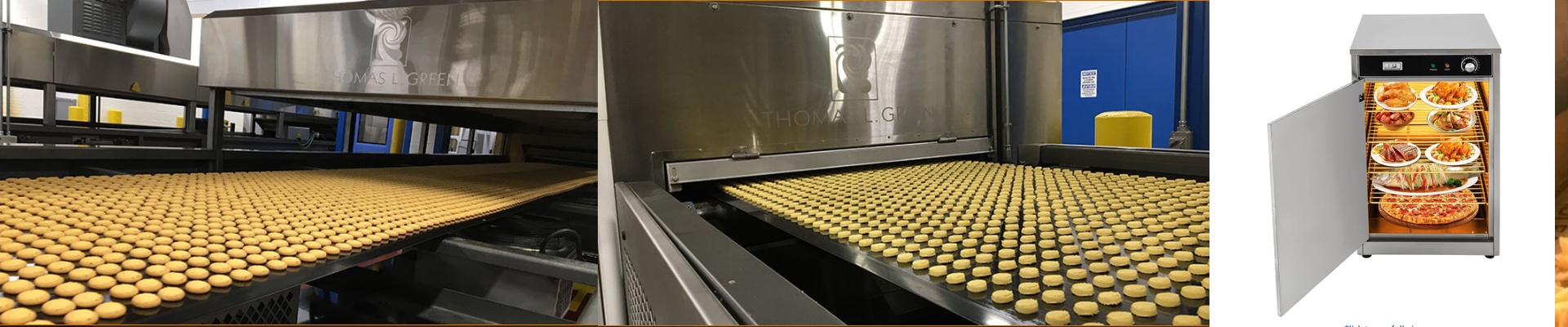
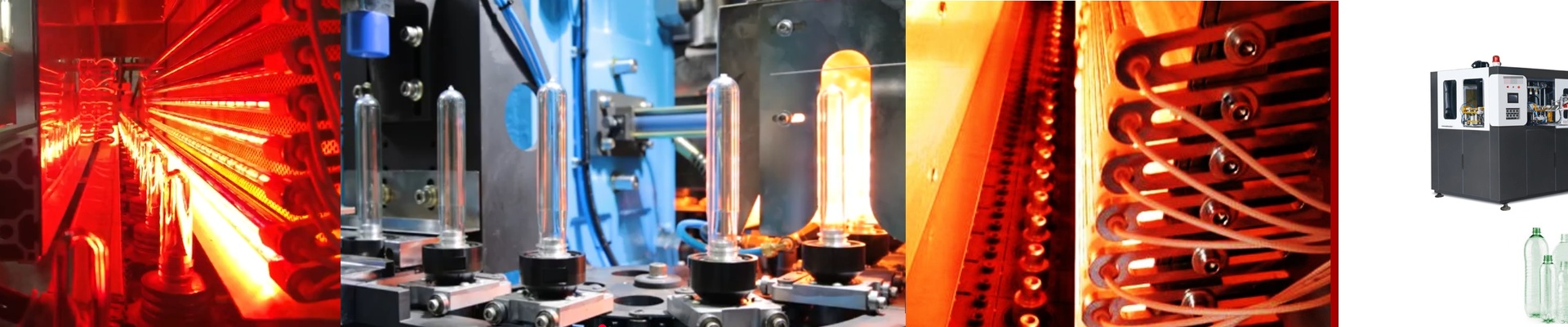
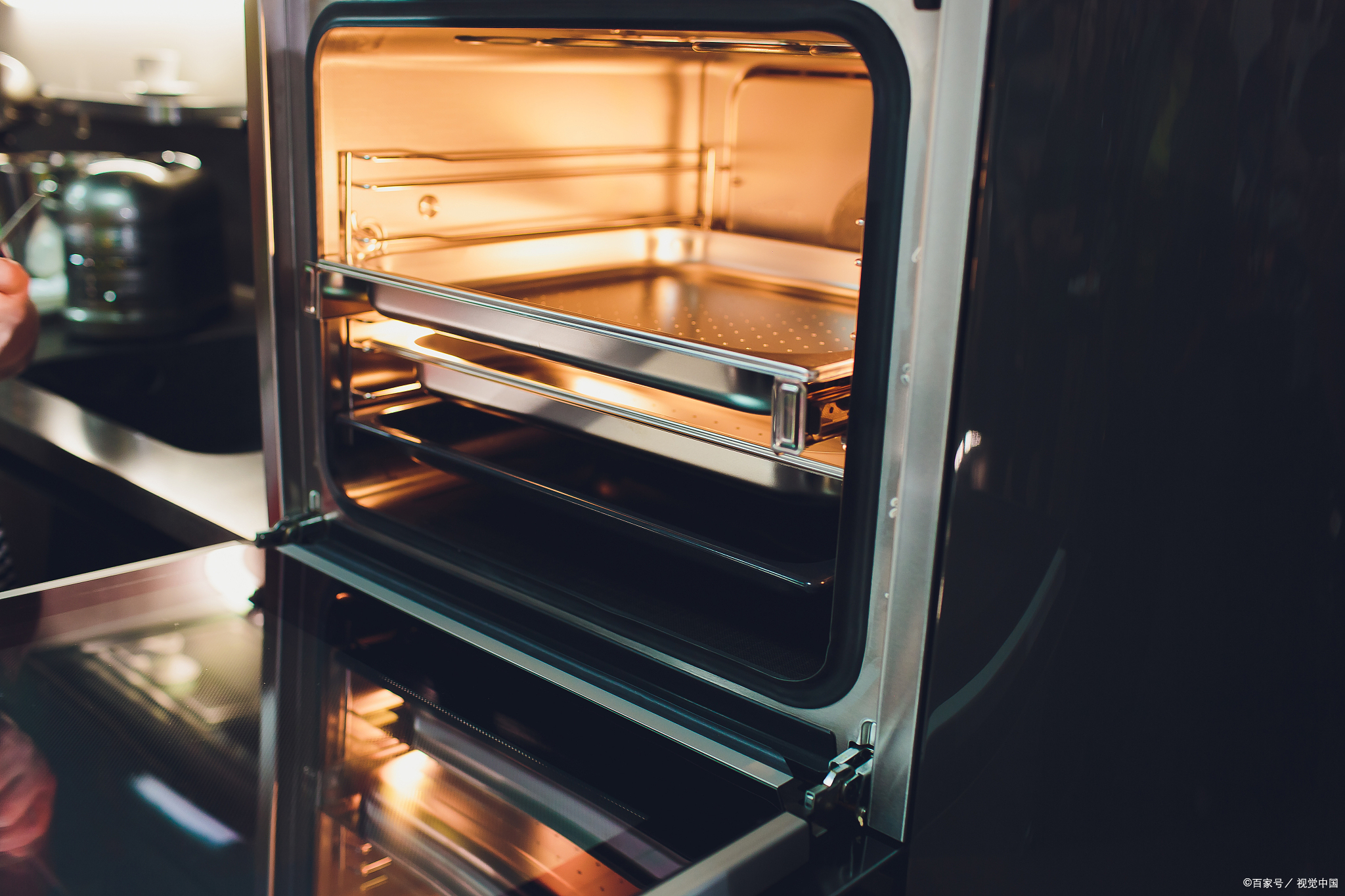
Ever notice how standard convection ovens can leave your food feeling like cardboard? It happens because those forced-air fans are a bit too aggressive—they strip away moisture faster than the food can actually cook. To fix this, we started putting stainless steel infrared (IR) heaters inside the ovens. Instead of just blowing hot air around, IR uses electromagnetic waves. Think of it like the sun hitting your skin on a summer day; the heat goes straight in, rather than just swirling around the surface. Here is how the magic actually works. We use short-wave or medium-wave emitters tucked into stainless steel casings. The cool part? You aren’t just relying on the air temperature anymore. These IR waves get the water molecules inside the food vibrating, which spikes the internal temperature quickly. You get that perfect, seared crust that locks all the juices inside before the fans have a chance to dry everything out. Why the stainless steel? Two reasons. First, ovens are humid, and we don’t want anything rusting. Second, it’s all about where the heat goes. The steel housing reflects the energy forward, aiming it right at your food instead of letting it waste away on the oven walls. And a quick tip: pay attention to your power density. If you use a high-wattage IR array, your cook times drop. Less time in the oven means less time for your moisture to evaporate. Simple as that. The tricky part (and how to handle it) Now, IR heating is fast. Like, really fast. If you just wire these up and flip a switch, you’re going to scorch your food. You need a PID controller or a precision timer to keep things under control. It’s all a balancing act between the IR intensity and the fan speed. If your fan is cranking too hard, it’ll blow away that thin layer of moisture before the IR can sear the surface. We’ve found that zoning the heaters is the way to go. By putting IR elements at both the top and bottom, you can tweak the heat flow independently. It stops that “dry-out” effect you see in those cheap, budget ovens and actually gives you control over the result.