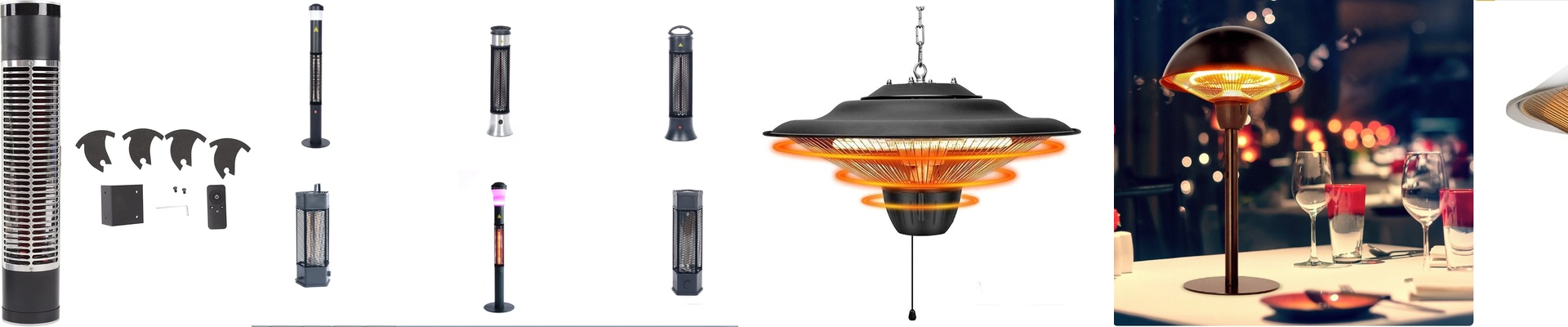
Getting the Heat Right in Circular IR Food Warmers
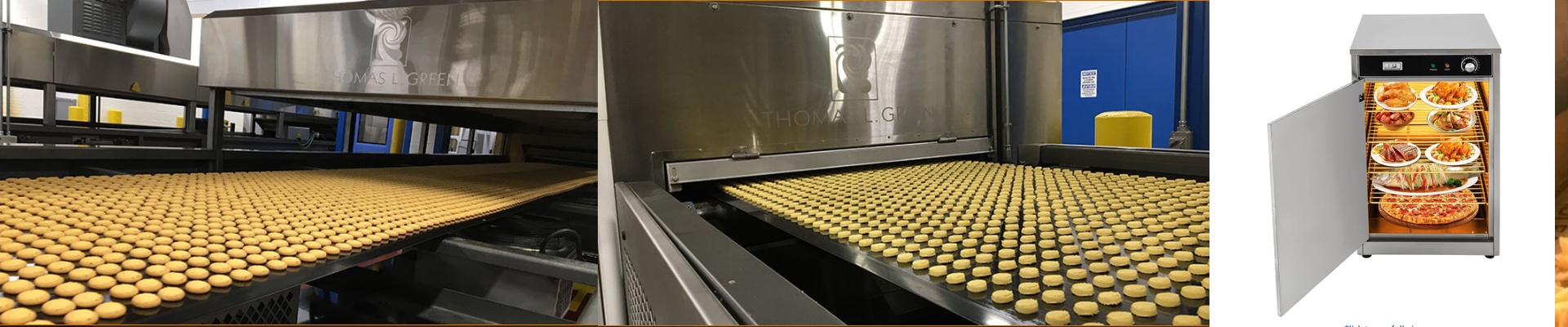
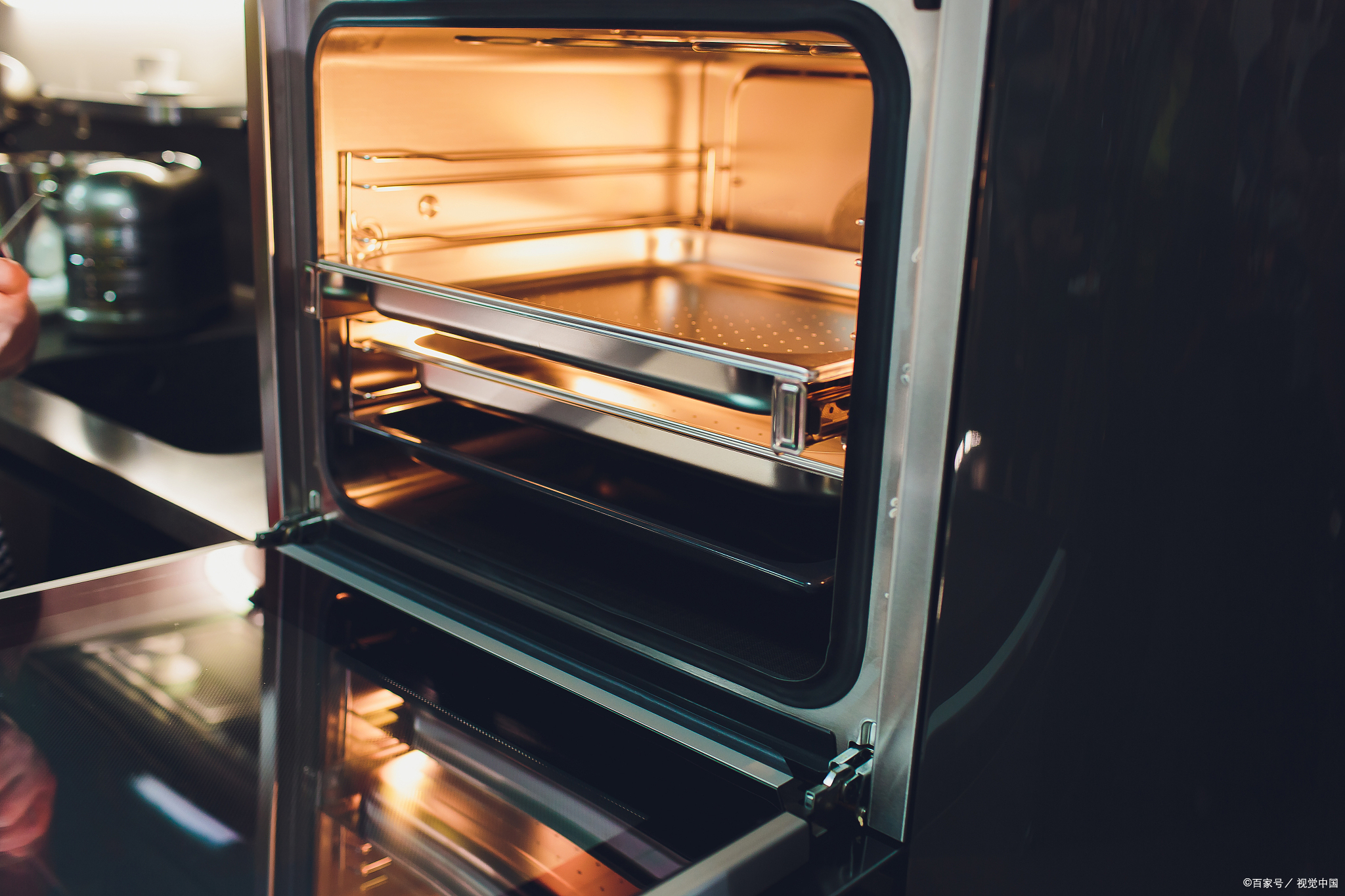
Ever pulled a batch of food out of the oven only to find the edges are charred but the middle is still cold? It’s frustrating. That’s why we use circular infrared (IR) heaters. The goal is simple: no cold spots and a temperature that actually stays where you set it.
Why the circle matters
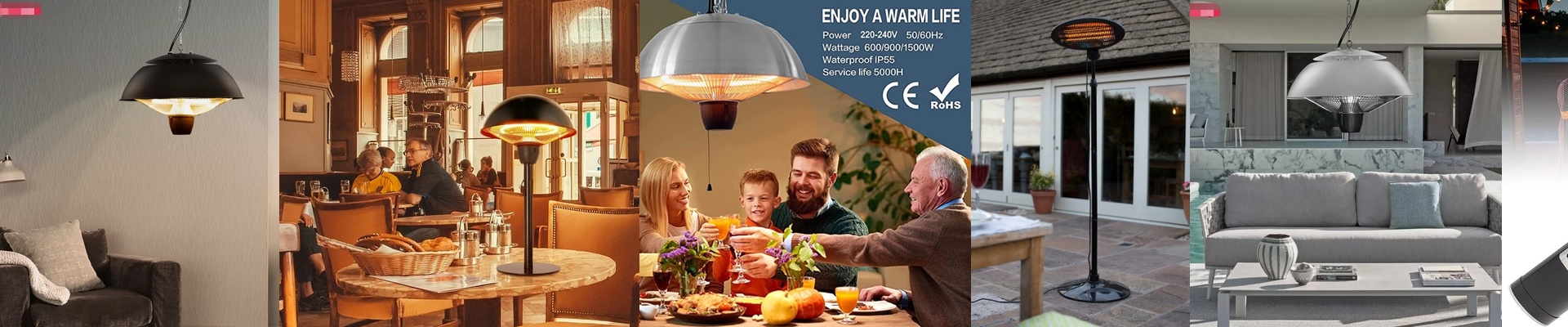
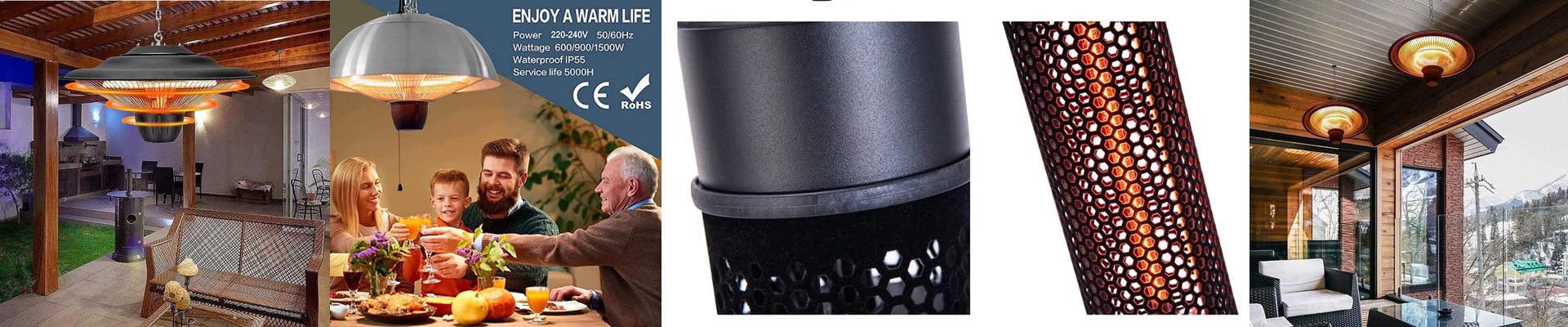
Think about it. Linear heating elements just create strips of heat. But a circular design wraps the warmth around the food. It spreads the thermal load evenly, so you don’t end up with those annoying “burnt edge” disasters. But there’s a catch. You have to get the wattage just right for the size of your chamber. If you go overboard, you’ll scorch the surface. Too little? And you’re back to square one with uneven warming. It’s all about that balance.
The gear inside
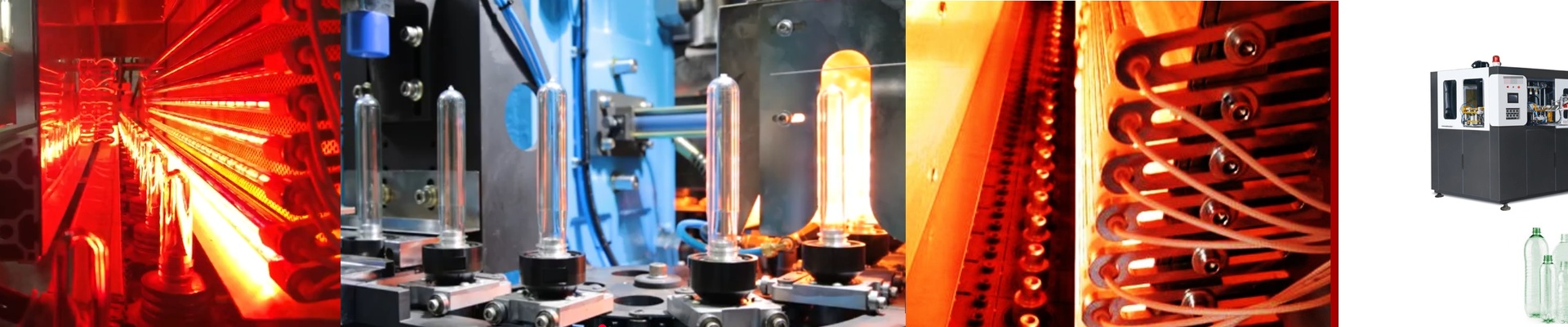
We use high-purity quartz glass for the filaments. Why? Because quartz lets IR waves slide right through without soaking up the heat itself. This means the energy goes exactly where it belongs—into the food—rather than wasting it on the lamp housing. Speed is another big deal. You need a heater that ramps up and cools down fast. If there’s too much “lag,” the controller can’t keep up. By the time the heater realizes it’s too hot, you’ve already overshot your target temperature and burned your product.Fast response times save your food.
Putting it all together
These units are designed to be easy. They’re basically drop-in replacements for standard circular sockets. We also beefed up the connectors because, let’s face it, constant heating and cooling makes materials expand and shrink. Reinforced parts mean they won’t just snap after a few months of hard use. One thing to keep in mind: high-density IR heaters get intense. You’ve got to make sure your housing materials can take the heat. If your ventilation is sluggish, the heat builds up inside the machine. That’s how you end up warping your chassis or tripping the thermal cut-offs. It’s a bit of a trade-off. You get much faster recovery times, but you have to make sure your cooling system can handle the stress.