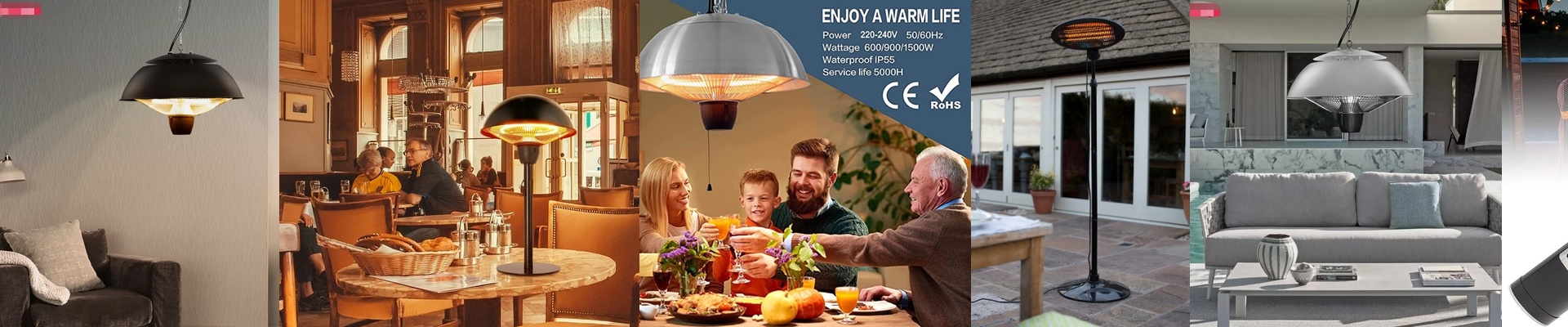
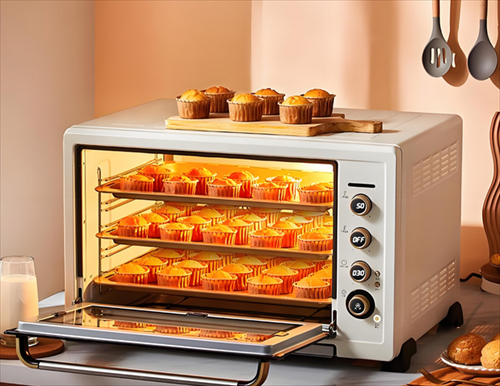
Getting Your 220V IR Emitters to Actually React
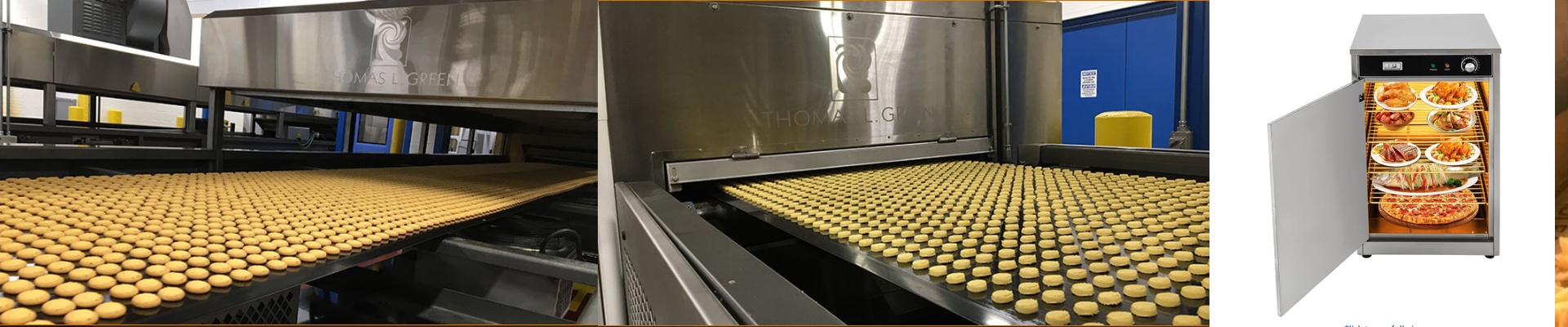
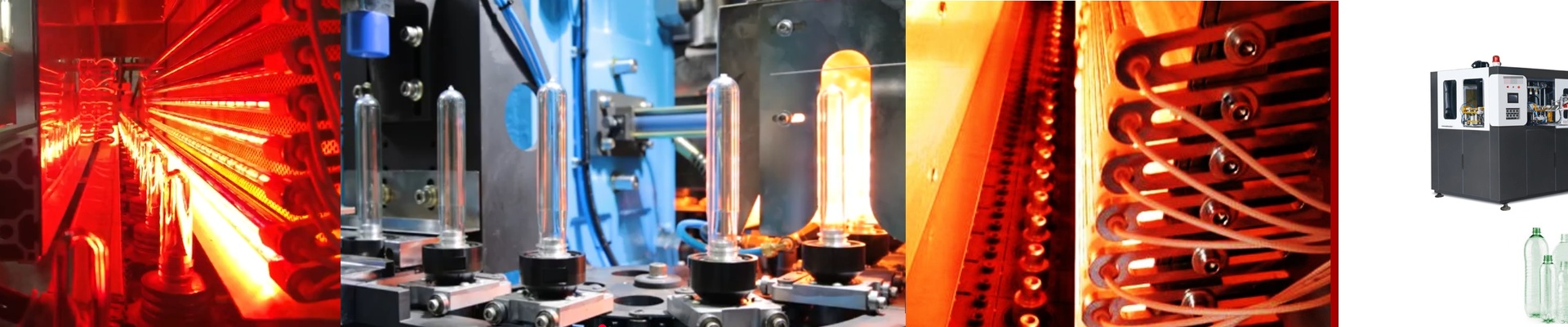
If you’ve ever worked with convection ovens, you know the struggle. You set a temperature, but the heater takes its sweet time to catch up. By the time it hits the mark, it’s often already too hot, and you’re stuck fighting that annoying temperature overshoot. We wanted to fix that. So, we built our 220V infrared (IR) emitters to be fast. Like, “hit the target in seconds” fast. Even if your controller is flicking the power on and off like a light switch, these things keep up. Why it actually works Most heaters are just big chunks of metal that take forever to warm up and cool down. It’s a slog. We went with short-wave IR instead. Instead of waiting for the air to get hot, the energy just beams straight to the target. Since the filament doesn’t have much “weight” to it thermally, it hits full power the moment the current hits. You get a tight, steady temperature without the usual guesswork. The “burnout” problem Here’s the thing: switching power on and off rapidly usually kills lamps. The metal expands and shrinks so fast that the filament just snaps. To stop that from happening, we tweaked the alloy and the gas fill inside the tube. It keeps the tungsten from getting brittle. We’ve put these through some pretty brutal industrial cycles, and they just keep humming along without losing their punch. A couple of things to watch out for These are designed to be drop-in replacements, so they’ll fit your current setup. But don’t just plug them in and walk away. Check your wiring first. These lamps pull a massive amount of current the second they strike. If your relays aren’t beefy enough to handle that initial surge, you’re going to fry your switches. Not a fun way to spend a Tuesday. And keep an eye on your heat. Because these dump energy so quickly, the oven chassis can get seriously hot. Make sure your fans and vents are actually up to the task. You don’t want to find out the hard way that your oven frame is warping because the ventilation was too weak for the IR load.