The “Year Five” Headache
Most engineers forget about what happens in year five. Here’s the thing: by the time an infrared heating element finally burns out, the stuff around it is usually a mess. We’re talking scale, corrosion, or parts that have just seized up over time. If your heater is hard-wired or buried inside some giant, one-piece chassis, you aren’t just swapping a tube. You’re basically tearing down the whole machine. It’s a nightmare.
Dealing with Water and Heat
We build our splash-proof heaters to IPX4 standards. In plain English? It means the unit can handle water splashing at it from any direction. If you’re working in a humid PET blowing environment or a zone that gets hosed down daily, this keeps the moisture away from the electrical terminals. But there’s a catch. Sealed units trap heat inside. If you don’t get your airflow right, that internal wiring is going to get brittle and crack over time. Just keep an eye on your specs so you don’t cook your own wires.
The Quick Swap
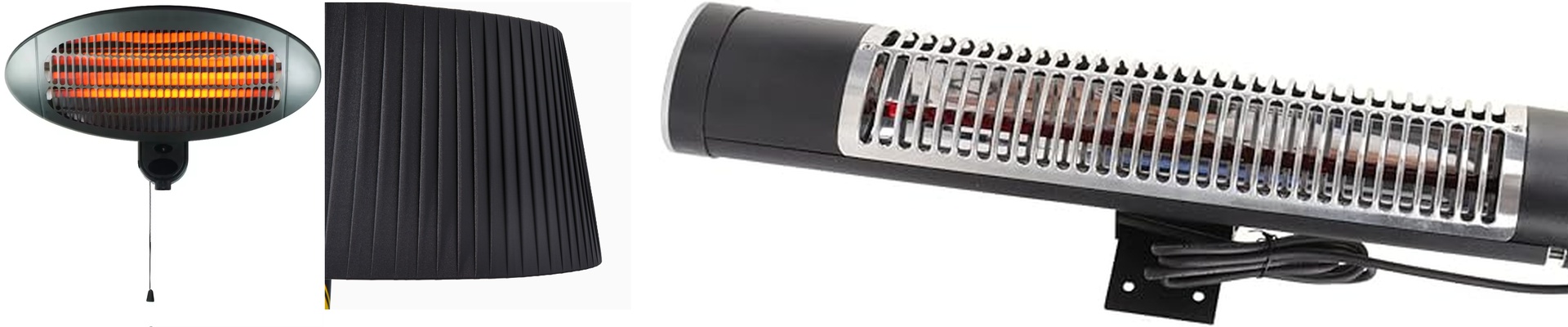
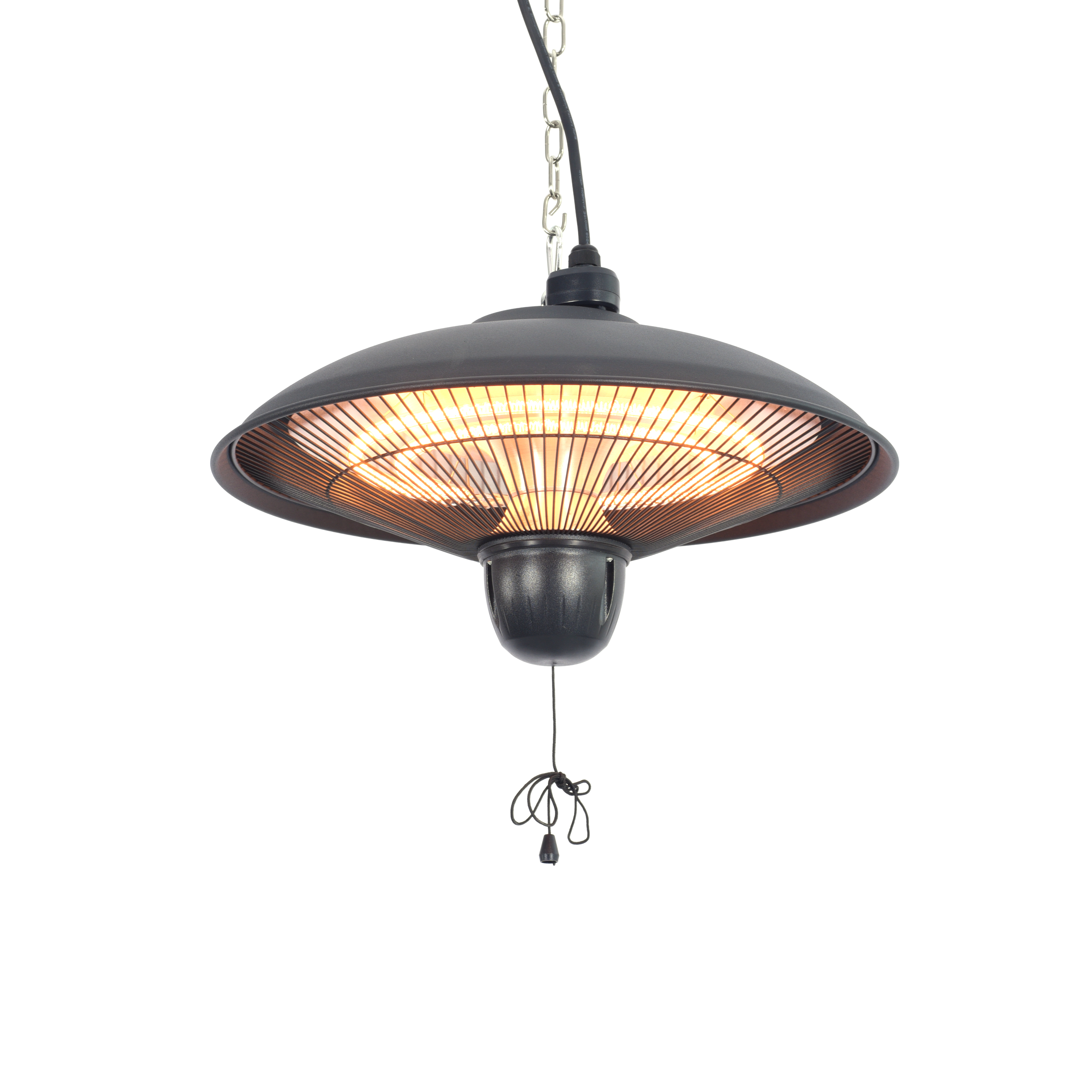
We got tired of fixed installations, so we switched to a modular setup. No more soldering. No more permanent fasteners that you have to hack through with a saw. We use quick-disconnect interfaces instead. When a tube dies after five years, you don’t have to touch the control panel. You just pull the module, slide out the dead element, and drop in a fresh one. It turns a four-hour teardown into a ten-minute job. We made sure the footprint is small enough that a tech can actually reach the element without having to dismantle the entire conveyor or frame. It’s just… easier.
Real-World Engineering
Now, modular designs do have a downside: more connection points. And more connections mean things can wiggle loose if your machine vibrates a lot. To fix that, we use locking connectors. But honestly? If your environment is shaking the floor, just check the torque on your mounting brackets every six months. It takes a second. It’s a tiny bit of effort to avoid a total system meltdown when a lamp finally pops.