

Stop Fighting Bathroom Steam with Just a Fan
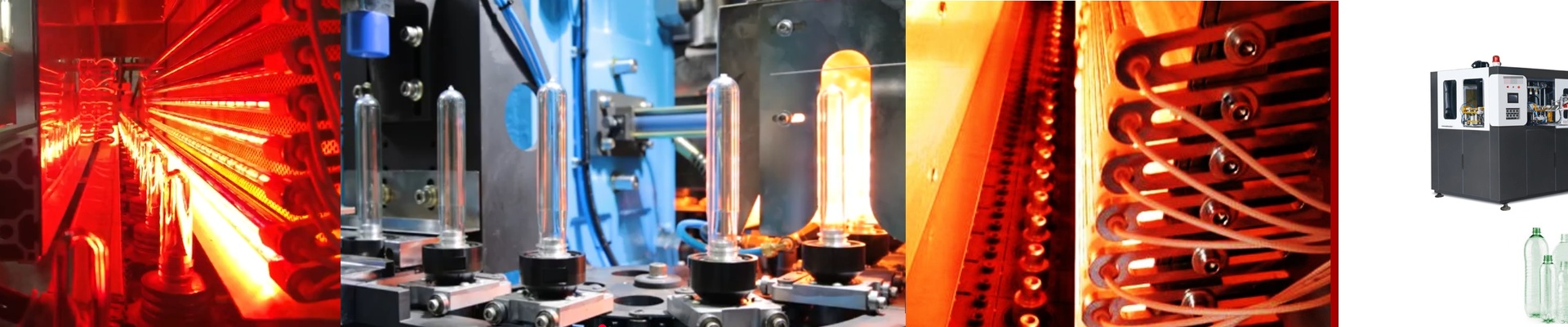
Most people think those infrared heat lamps in the bathroom are just there to keep you from shivering when you step out of the shower. But if you look at it from a practical side, we’re actually fighting a war against moisture. The goal isn’t just to make the air feel cozy. It’s about hitting the walls and ceilings with energy to get rid of the dampness. Here’s how it actually works. Instead of just warming up the air—which takes forever—these lamps use specific light waves that go straight for the water molecules. It basically shakes those molecules up, making the water evaporate way faster. It’s the difference between waiting for a puddle to dry on its own and using a blow-dryer. When the surfaces stay dry, mold doesn’t get a chance to move in. But putting electronics in a steam room is risky. The hardware takes a real beating in there. That’s why we use quartz glass and heavy-duty seals to keep the moisture away from the tungsten filament. If even a little bit of steam leaks in? Pop. The lamp is gone. We also have to be careful with the power. You want it hot enough to kill the condensation, but not so intense that you crack your bathroom tiles from the sudden heat. It’s a delicate balance. One thing to watch out for is your wiring. High-wattage lamps pull a lot of power. If your electrical setup is old or under-powered, you’ll get a voltage drop. That means the lamp won’t hit that “sweet spot” of intensity needed to actually dry the room. At the end of the day, it’s not about the temperature. It’s about the dryness. When you target the moisture where it lives, you don’t have to rely so much on a loud, rattling exhaust fan to keep things clean.