Why Infrared Heat is a Secret Weapon Against Bathroom Mold
Most of us think of those bathroom heat lamps as just a way to keep from shivering while we get dressed in the morning. But there’s actually something much cooler happening under the hood. It’s not just about feeling warm; it’s about keeping your walls dry.
The trick to dry walls
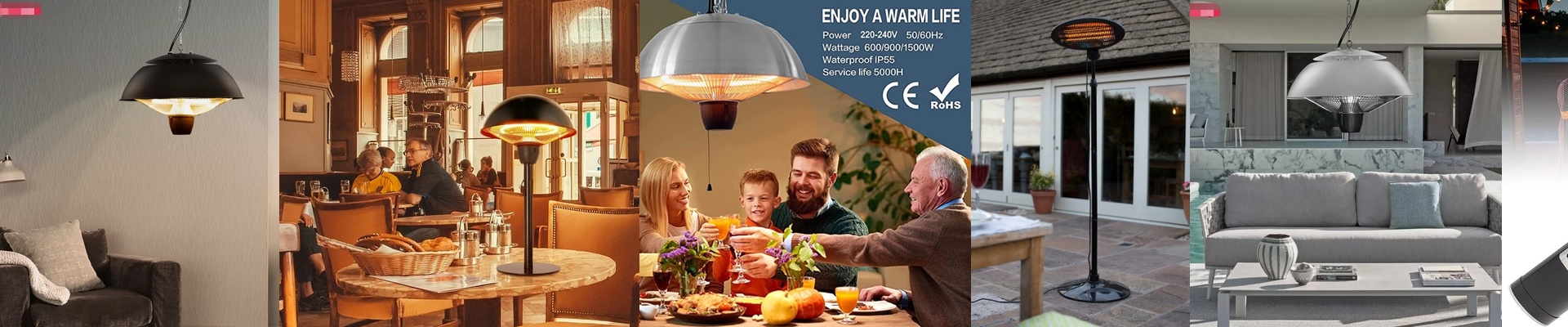
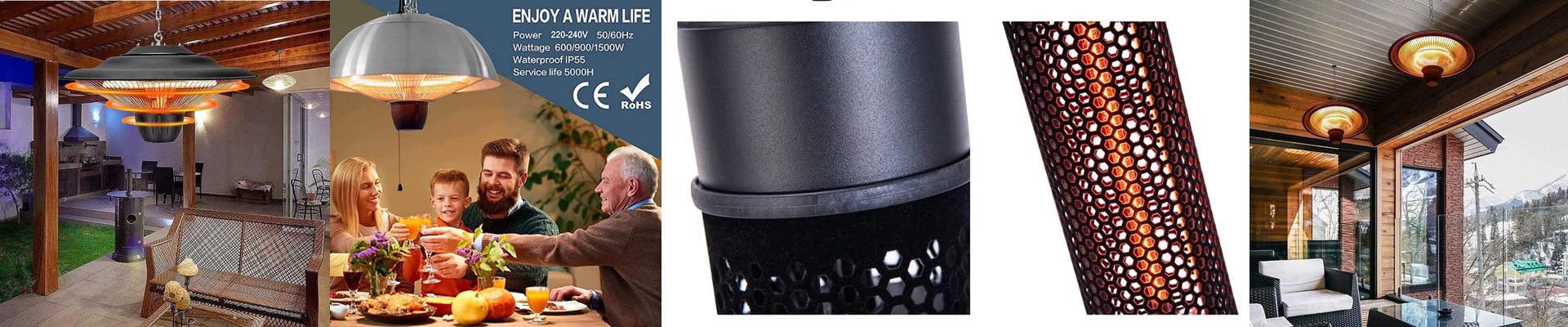
Here is how it works. Standard heaters just warm up the air. The problem is that the air gets warm, but your walls stay cold. When that warm, steamy air hits a cold wall? Boom. Condensation. Infrared (IR) lamps do things differently. Instead of heating the air, they beam heat directly onto the surfaces—your tiles, your floors, your walls. It’s like a heat lamp at a buffet. Because the wall itself stays warm, the water can’t settle and bead up. And since mold needs that dampness to survive, you’re basically starving the mold before it even has a chance to start.
Getting the moisture out
These lamps also help clear out the dampness that hides in your grout lines. The IR heat forces that trapped moisture to evaporate quickly. Once the water is in the air, your exhaust fan can actually grab it and pull it outside. It’s a simple one-two punch: the lamp pushes the water off the wall, and the fan kicks it out of the house.
A quick reality check
Now, don’t go ripping out your exhaust fan. If you use IR lamps without a way to vent the air, you’re just building a fancy, warm sauna. The water is still in the room; it’s just floating. You need both the heat and the airflow to actually win the war on mold.
A word of caution on the wiring
If you’re installing these yourself, please be careful with your electrics. These lamps pull a lot of power. If you cram too many of them into one small circuit, you’re asking for trouble. Check your wiring gauge to make sure it can handle the load without getting hot. Also, use connectors rated for damp environments. Corrosion is a silent killer in bathrooms, and you don’t want a fire risk just because you wanted a cozy floor.