Why the Best Bakers Are Switching to Infrared
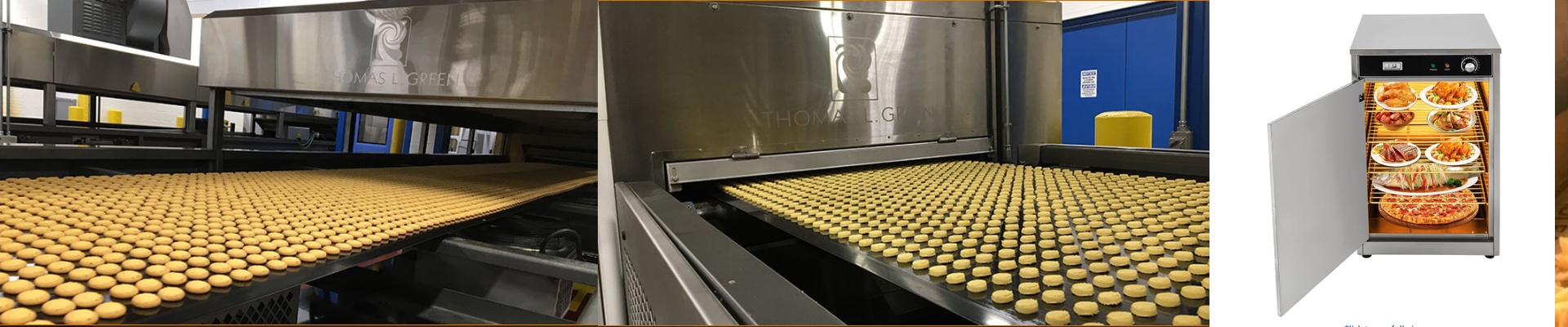
Most ovens just heat up the air. It’s slow. It’s a waiting game. But the pros? They use 250W ceramic infrared heaters to skip the middleman. Instead of waiting for the air to get hot, the heat hits the dough directly. That’s the secret to getting that perfect, shattering crust while keeping the inside soft and airy.
Why we go with 250W Ceramic
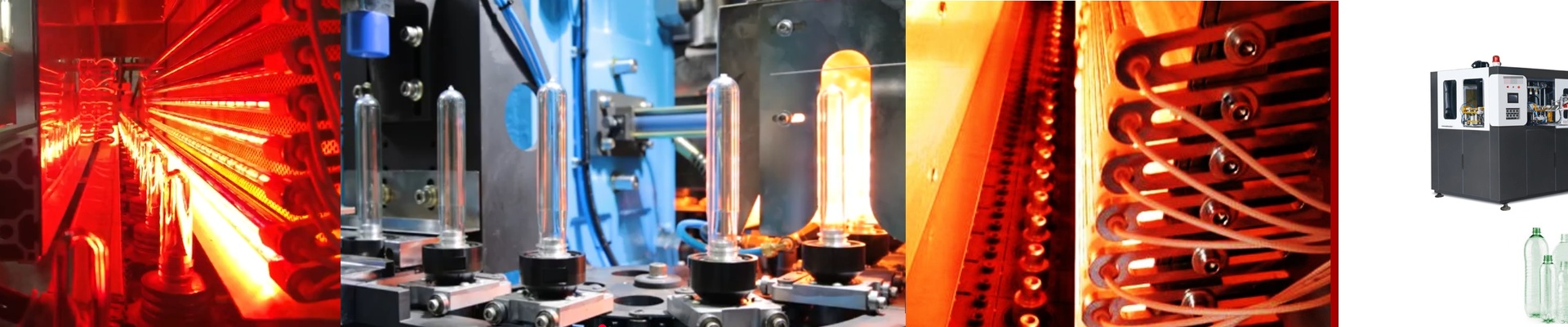
We chose the 250W rating because it’s just right for creating specific heat zones. And we use ceramic for the housing because it can take a beating. Basic quartz tends to crack when the temperature swings, but ceramic handles that thermal shock without breaking a sweat. Basically, these elements turn electricity into short-wave infrared radiation. It sinks into the surface of the bread almost instantly. You get a much faster “oven spring” because you aren’t just sitting there praying for the air to circulate.
The Nitty-Gritty on the Build
We use high-density ceramic so the heat spreads evenly. You’ve probably seen metal coils that have those annoying hot spots—the kind that burn your bread in one corner while leaving the rest pale. Ceramic doesn’t do that. It spreads the load. We also beefed up the leads. If you’re running a bakery all day, the last thing you need is a wire frying mid-shift. Plus, you can wire these into a zoned system, so you can crank the top heat without scorching the bottom of your loaves.
The Trade-offs (Because nothing is perfect)
The best part? Your pre-heat times basically vanish. These things hit the target temperature in seconds. But here’s the thing: this kind of heat is powerful. If your sensors aren’t dialed in, you can scorch the top of your bread before you even realize it. You’ll want to make sure your PID controllers are set up right so the temp doesn’t overshoot. One last tip—watch your airflow. If you’ve got a fan blasting too hard, it’ll strip the heat right off the ceramic, and you’ll lose that radiant punch. Keep it balanced, and you’re golden.