Getting Your Sidel Matrix IR Lamps Right
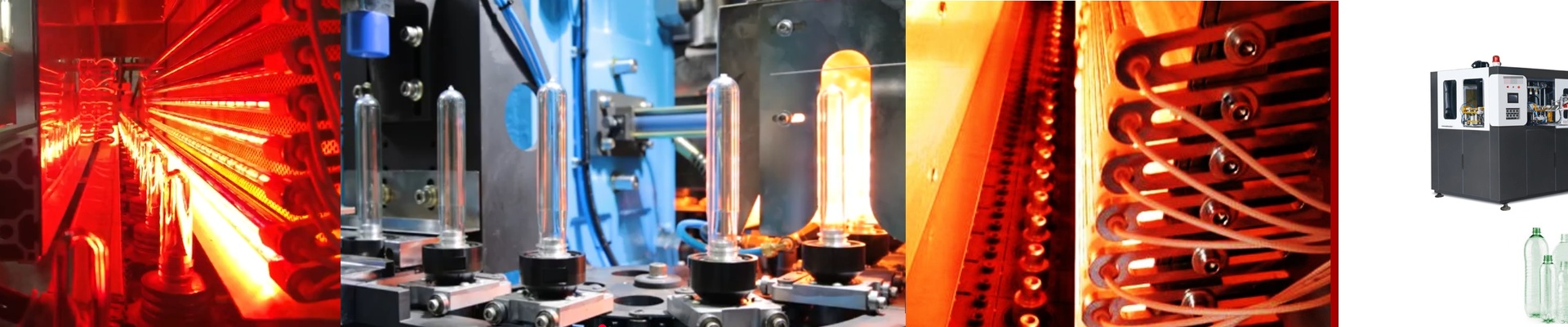
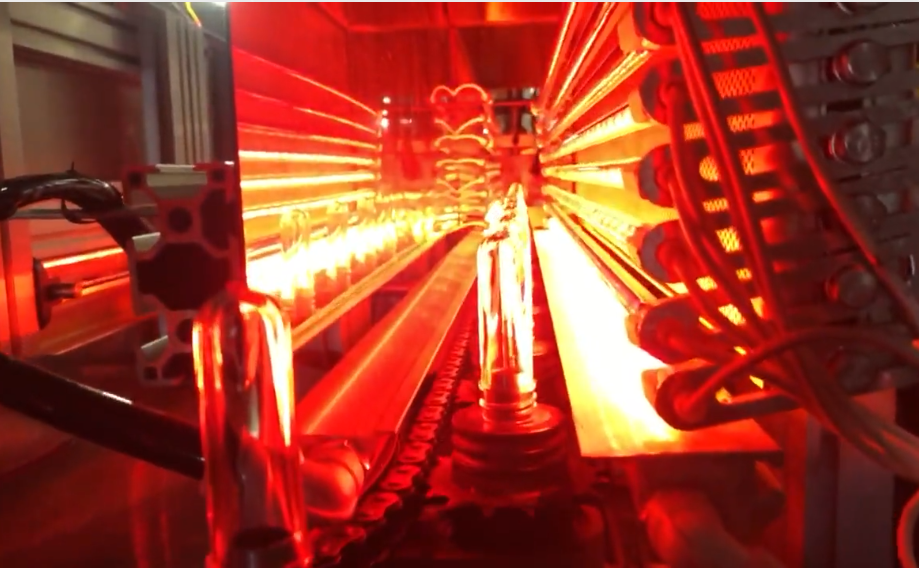
When you’re swapping out IR lamps in a Sidel Matrix oven, you really only want one thing: for the new lamps to act exactly like the old ones. If the wattage or the spectral output is even a tiny bit off, you’re asking for trouble. You’ll start seeing thin walls, uneven preforms, or that annoying pearlescent haze in your PET bottles. It’s a headache you just don’t need. The trick is in the matching. We build our lamps to mirror the original Sidel specs to the millimeter. Voltage, wattage, length—everything has to line up. Here’s why: if the electrical resistance is off, the lamp draws power differently. Your temperature sensors might tell you everything is fine, but the actual heat hitting the PET is different. That’s how you end up with inconsistent bottles. We dial in the ohms so the ramp-up time and the steady heat feel exactly like the OEM parts. It’s not just about the electricity, though. The heat inside a Matrix oven is brutal. To keep them from burning out too early, we use high-purity quartz glass. We also tune the internal halogen cycle to keep that filament centered and stable. Depending on your specific setup, we add precise coatings to shift the IR wavelength. This is key. It makes sure the heat actually sinks into the preform wall instead of just scorching the surface. A quick tip on installation. These use standard industrial connectors, so the swap is fast. No messing with your wiring or fighting with brackets. But keep this in mind: high-wattage shortwave lamps put a lot of pressure on your cooling fans. If your ventilation is clogged with dust, even the best lamp in the world will overheat the oven housing. Keep your airflow clear. It’ll make your quartz envelopes last much longer. We build these for high-cycle environments because we know that when the line stops, it costs you way more than the price of a few lamps.