

Getting the Heat Where it Actually Matters in Your Husky HyPET
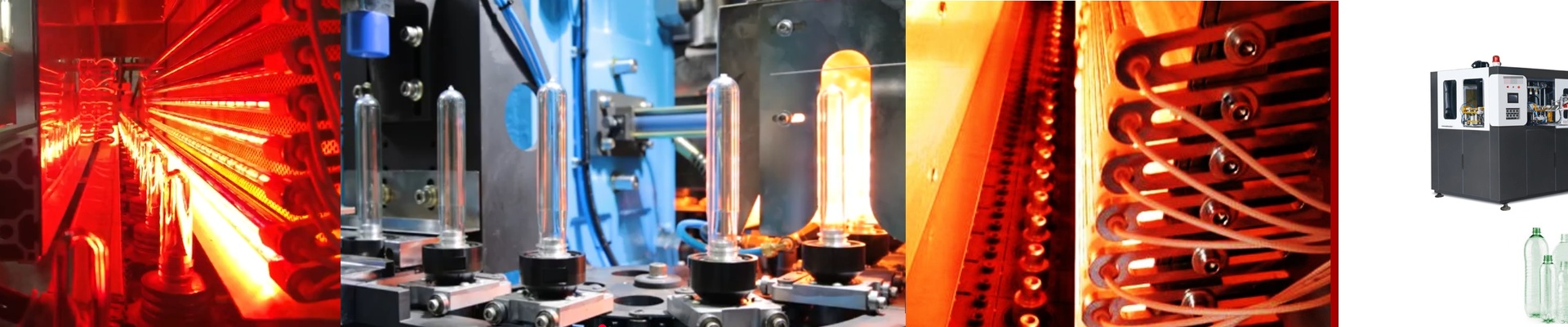
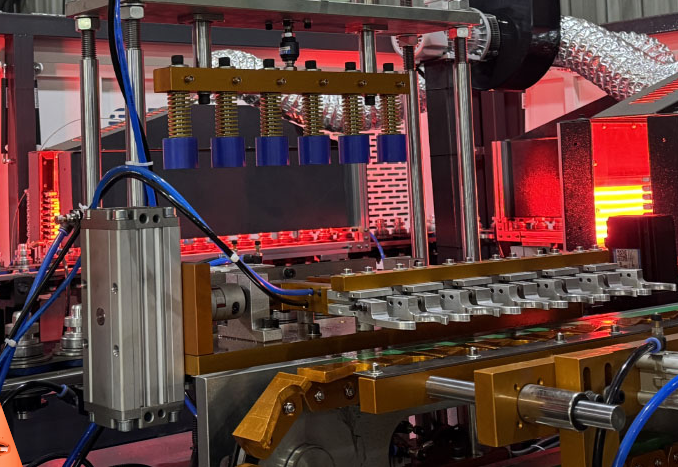
If you’ve spent any time around high-speed PET blowing, you know the struggle. The heating phase is almost always the bottleneck. You’ve probably seen it happen a thousand times: the skin of the preform gets way too hot before the core even warms up. Then you’re stuck dealing with uneven walls or that annoying pearlescence. It’s frustrating. That’s exactly why we built our replacement lamps for the Husky HyPET series. We wanted to fix that penetration problem once and for all. The secret is in the light. Standard lamps tend to dump all their energy right on the surface. To get heat deep into a thick-walled preform, you need a different approach. We tweaked the halogen gas fill and the quartz composition to shift the infrared emission. Basically, we changed the wavelength so the heat actually sinks into the PET instead of just scorching the outside. Now, you can crank up the oven speed without worrying about burning the surface. No headaches during installation We didn’t want you spending your weekend rewiring racks. These are simple drop-in replacements. Whether you’re using R7s or SK15 connectors, they fit tight and match the original Husky electrical specs. You just swap them out and get back to work. One heads-up, though. These tubes pack a lot of wattage to keep your cycle speeds high. That means your oven’s cooling blowers have to work harder. If your fans are clogged or on their last legs, these lamps will bake your reflectors. Keep those fans clean. What this looks like on the floor You’ll see the difference in the temperature profile almost immediately. Because the heat penetrates deeper, there’s much less of a gap between the temperature of the inner and outer walls. The result? More stable blowing and way fewer rejects hitting the bin. We also know your machines run 24/7 and take a beating. These tubes are built for that. They can handle the constant power cycling from your PLC without the filaments giving up early. Just keep an eye on your voltage. A big spike is the fastest way to kill a high-wattage tube, so keep that power steady.