Fixing the “Burnt Outside, Raw Inside” Problem in Steam Ovens
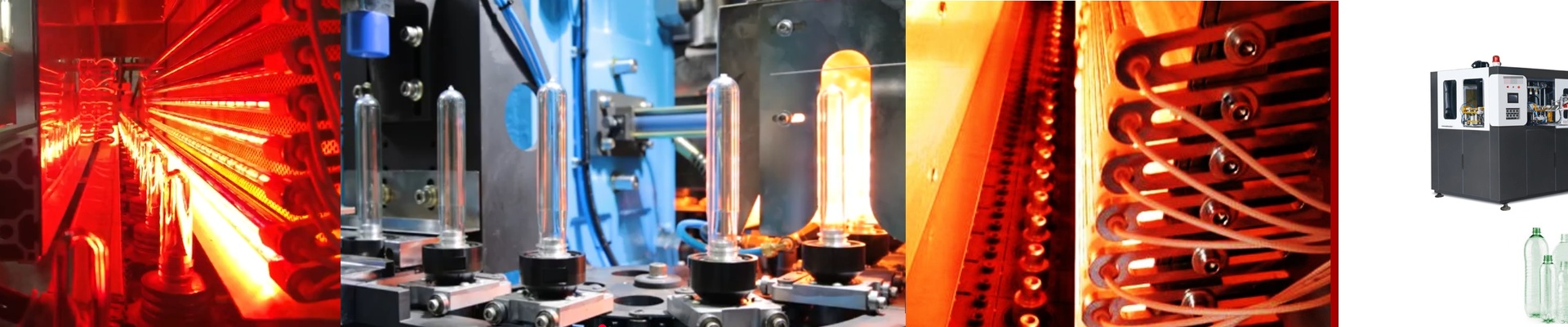
Anyone who’s cooked a thick cut of meat in a steam oven knows the frustration. You pull it out, the outside looks perfect (or worse, charred), but the center is still cold. It’s a nightmare. We figured out a way to fix this by pairing infrared (IR) penetration with some really tight temperature controls. The secret is in the IR. Most ovens just move hot air around. That’s slow. It’s like trying to warm up a house by blowing a hair dryer through the front door. We use short-wave infrared emitters instead. These don’t just sit on the surface; they actually dive deep into the protein fibers. They get the water molecules inside the meat vibrating, which means the core heats up at the same time as the crust. No more waiting for the heat to slowly crawl inward. But you can’t just blast it. High heat density is tricky. If you just crank the tubes to 100%, you’re going to burn the outside of your dinner. To stop that, we use PID controllers and thermocouples. Think of it as a constant conversation between the oven and the meat. The system checks the core temperature in real-time and dials the power up or down instantly. It keeps things steady. One quick tip: check your wiring. These IR tubes pull a lot of juice. If your power supply isn’t up to the task, you’ll get voltage drops, and your cooking consistency will go right out the window. A few things to watch out for. IR heating is fast, but it’s directional. If you just put one tube in the middle, you’ll end up with cold spots. We suggest using a multi-point array to make sure the heat hits from every angle. Also, be careful. These tubes are fragile. Kitchens are chaotic. Stuff gets bumped; grease splashes. If your team is a bit rough with the gear, go with quartz sleeves. They protect the filaments from the mess. Without them, one splash of hot fat can crack the tube, and then you’re looking at a dead heater and a ruined service.