Stop fighting your rotary oven. Start hitting your numbers.
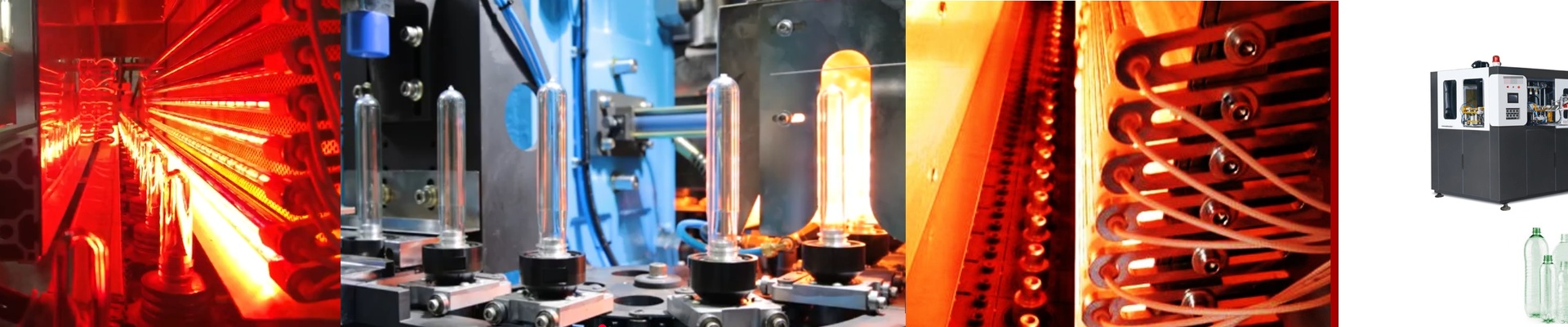
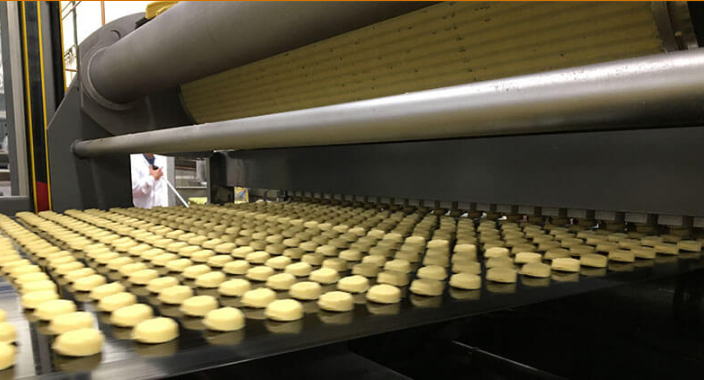
If you’ve ever tried to speed up a rotary oven line, you know exactly where the wall is. You crank up the speed, and suddenly you’re getting under-cured patches. It happens because standard heating elements are… well, standard. They’re generic tubes that leave dead zones and take way too long to actually get the heat into the material. To make sure everything cures properly, you’re forced to slow the whole rotation down. It’s frustrating. The fix isn’t a faster motor. It’s switching to custom infrared (IR) modules. Getting the heat where it actually matters Most off-the-shelf lamps just push out a set amount of heat per inch. But your line isn’t “standard.” When we build a custom module, we tweak the voltage and the filament density to match exactly how fast your conveyor is moving. Instead of waiting minutes for a part to heat up, it happens in seconds. It’s a fast ramp-up. Which means you can finally push that line speed higher without worrying about a batch of ruined parts. Built for your actual machine Rotary ovens are tight. There isn’t exactly a lot of “wiggle room.” We don’t do one-size-fits-all. We build these modules to the millimeter so they actually fit your chassis. Need a specific quartz tube diameter? A special coating to shift the heat from shortwave to medium-wave? We’ve got you. And because these things spin, we use industrial-grade connectors. No one wants to deal with a lamp vibrating loose in the middle of a shift. The “Catch” (and how to handle it) Here’s the thing: custom IR modules put out a massive amount of heat. You can’t just swap them into an old system and walk away. These modules pull more current. They get hot—really hot. Before you flip the switch, check your electrical panels and your cooling fans. You need to make sure your wiring can handle the load, otherwise, you’re just going to trip a breaker or, worse, fry your wiring. But once you’ve got the power sorted? Everything gets easier. Your curing zone gets shorter, your cycles get faster, and you stop stressing about your hourly output.