Getting Precision Right with 500W Quartz Heating Elements
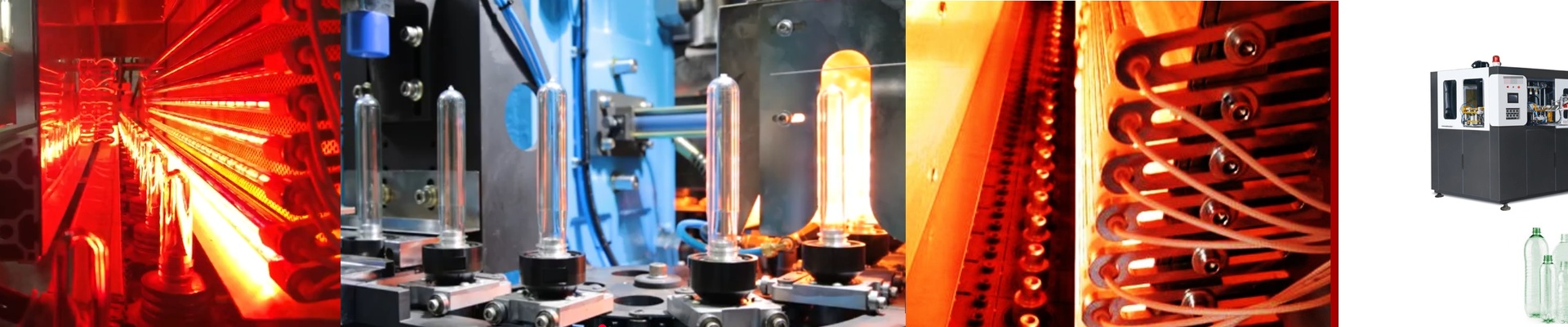
Let’s be honest: in an industrial oven, there’s a massive difference between “hot enough” and actually having control over your temperature. We built our 500W quartz elements to close that gap. We wanted them to hit the same stability marks as the big-name global brands, but without the ridiculous price tag. Why quartz? It comes down to how fast they react. Because quartz has very little thermal mass, these elements don’t linger. When your PID controller tells the heater to adjust, it happens almost instantly. You don’t get that annoying thermal lag you find with those heavy tubular heaters. It’s snappy. And when your heat responds that quickly, keeping your tolerances tight becomes a whole lot easier. The nitty-gritty on the build Inside the tube, we’ve got a tungsten filament. The high-purity silica glass does two things: it keeps the filament from oxidizing and lets short-wave infrared radiation fly right through. We chose this specific silica so the tubes won’t warp, even after you’ve cycled them through the heat a thousand times. Most of these are wired with standard connectors, so you can just drop them in and get back to work. One quick tip: if you’re running these at full tilt, double-check your sockets. Make sure they can handle the current, or you’ll end up carbonizing your contacts. A few things to watch out for Now, there’s a trade-off here. Precision is great, but quartz is brittle. If you drop it, hit it with a tool, or clamp it down too tight during install, it’s going to crack. It’s that simple. You’ve got to give the tubes some breathing room in your mounting brackets to allow for linear thermal expansion. If you lock them in too tight, they’ll snap the first time they heat up. We’ve put these head-to-head against the industry leaders. The data is clear—the temperature deviation is basically the same. You get the exact same precision, just without paying for a fancy logo.